
Sweden Seeks to Double its Military Spending and Manpower by 2035 Amid Growing Tensions with Russia
Military Watch Magazine Editorial Staff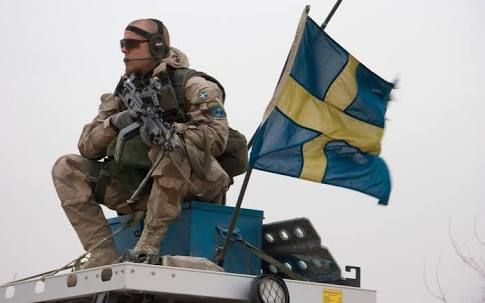
Swedish Soldier Sitting by Flag
Sweden's armed forces have called for increases in expenditure and manpower of more than 100% by 2035 to combat future adversaries, with Russia listed as the country's primary security threat. This comes amid the formerly non aligned European country's growing ties to the Western bloc and rising tensions between the West and Russia. Plans involve increasing military expenditure from $6.5 billion to around $14 billion in seventeen years and boosting staff numbers from 50,000 to around 120,000 by 2035. The military's report, formally called the ‘perspective study,’ was published on February 22nd and is set to be submitted to Sweden's parliament for approval.
The military report mentions Moscow's plans “to increase their military capabilities after 2020” and Sweden's inevitably involvement in any conflict between Russia and NATO. While strongly critical of Russian military escalations and use of force, criticism of similar actions undertaken by NATO are absent indicating the military's strongly Western aligned foreign policy stance. It is assumed that in a future conflict Sweden will find itself a NATO partner, if it has not by then become a member state in full, and this represents a significant deviation from its former non aligned foreign policy.
Sweden has already taken steps to impose mandatory military service, a measure set to strengthen the country's armed forces by providing a large conscript force in times of war. The publication of the military's ‘perspective study' comes shortly after Sweden's commitment to acquire U.S. made Patriot missile batteries, for which the armed forces also cited the Russian threat as a pretext for the costly purchase. While the Patriot's combat performance has left much to be desired historically, the platform is expected to cost approximately 250% of the amount originally quoted, over $3 billion, and marks what could be the first of many purchases made by the Nordic country from the United States in light of its new political alignment.
