
Stealth Hunter: A Look at America’s First F-18E Block III Super Hornets
Military Watch Magazine Editorial Staff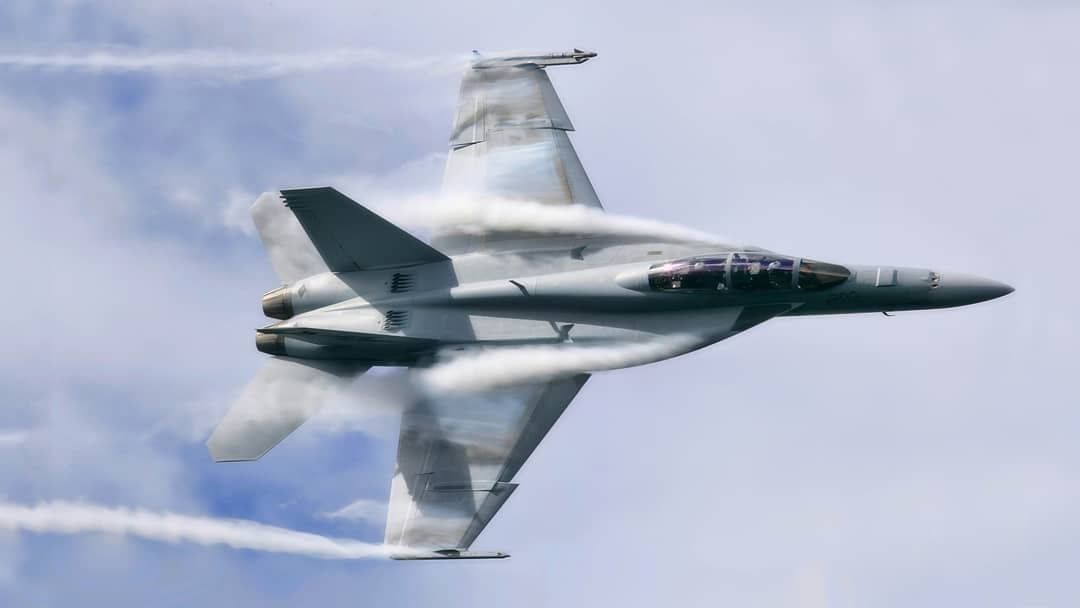
F-18E Super Hornet Medium Fighter
Boeing has released a video of the rolling out of its first F-18E Block III Super Hornets, with these initial production aircraft intended for flight testing and to explore new operational concepts before deliveries of the aircraft to the U.S. Navy begin. The unveiling took place shortly after production of the Block II variants was terminated, and the two new jets are twin seat variants of the Super Hornet - meaning they are technically termed ‘F-18F.’ A twin seat configuration considered preferable for training and flight testing. The F-18E Block III boasts a number of considerable upgrades over the older Block II variant currently relied on by the U.S. Navy, which bring the aircraft up to a closer standard to more sophisticated newer designs such as the F-35C and F-15EX - the former a lighter fighter on order for the Navy and the latter a heavier and more elite fighter developed by Boeing. The F-18E occupies a weight and price range between that of the F-15EX and the lighter and cheaper F-16V, and integrates many of the same technologies.
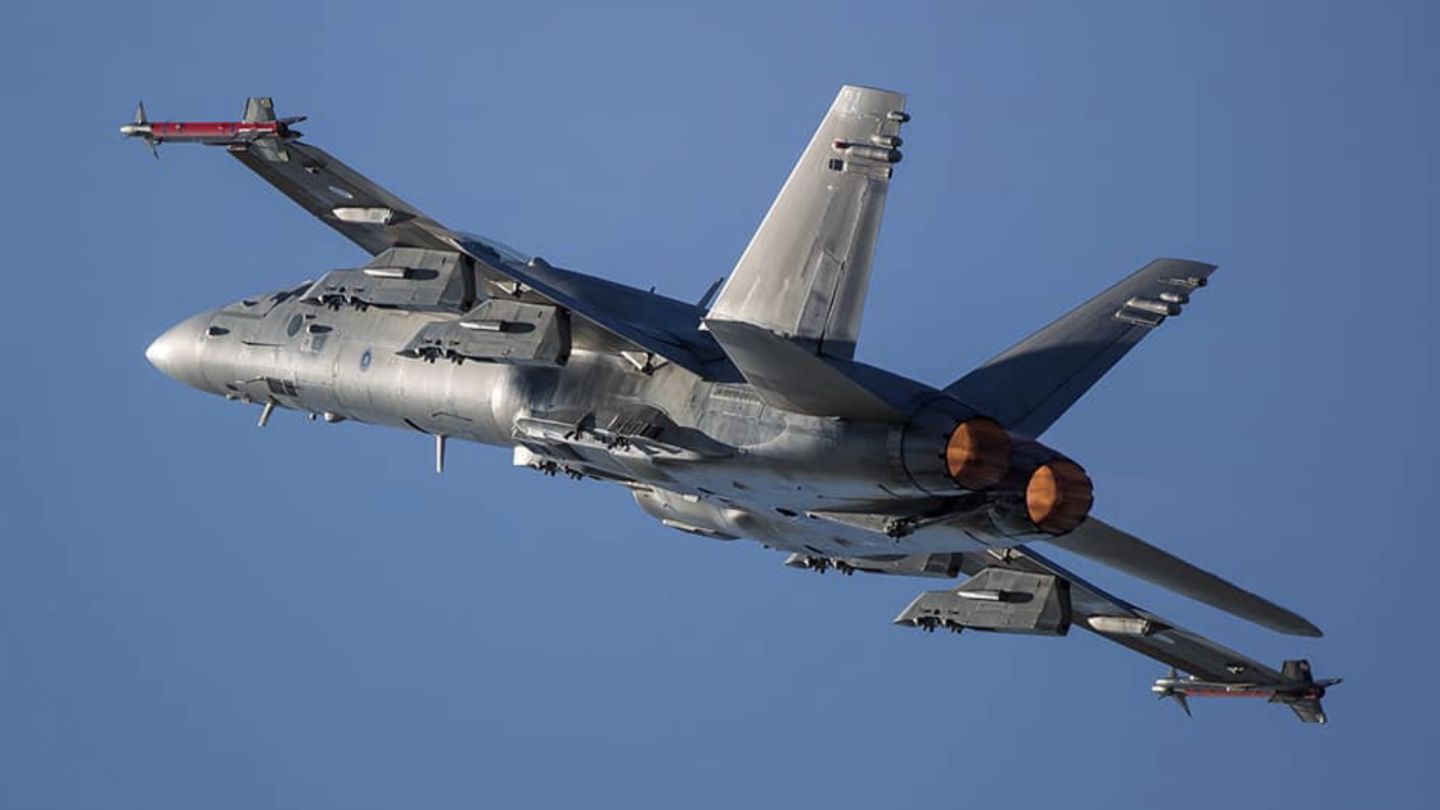
Among the enhancements to the Super Hornet design are conformal fuel tanks for greater endurance, a customisable wide screen multifunction display, new satellite communications systems and a podded infra red search and track system (IRST). Sensors and electronic warfare systems will also receive a serious upgrade over older Super Hornet variants, while the aircraft’s radar cross section is notably lower than that of older variants for improved survivability. While American fourth generation fighters initially rarely integrated IRSTs, despite their integration onto all major fourth generation Soviet designs, newer American designs such as the latest F-18E and F-15EX are starting to integrate such systems. An IRST allows fighters to operate without using their radars at short and lower-medium ranges, meaning they can engage targets without any radar signature. More importantly however, given the growing threat posed by stealth aircraft such as the Chinese J-20 fighter and Dark Sword drone, an IRST is well optimised to locking onto such aircraft which are optimised for radar evasion. The F-18E has been a highly controversial design since it first entered service, with its endurance considerably lower than its predecessor the F-14D and considered insufficient for many critical missions and its speed and manoeuvrability both well below average. Improvements to the design over time have helped to compensate for these deficiencies however, and the Block III variant may well be the most capable Western fighter from the medium weight range.
