
Space Force General Warns U.S. Must Fuse Air and Space Warfare Capabilities to Counter Enemy Hypersonic Missiles
Military Watch Magazine Editorial Staff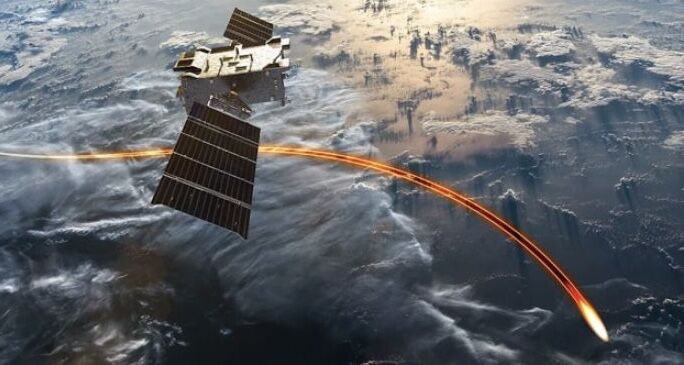
Deputy commander of U.S. Space Command (SPACECOM) Lieutenant General Rick Zellman said the United States needs to fundamentally change how it detects, tracks and defeats advanced missile threats. He argued that due to advances in adversary missile capabilities, American missile warning and missile defence can no longer operate as separate missions. Historically, the two functions were organised around different requirements. Space-based missile-warning systems were primarily responsible for detecting missile launches and providing an early alert, while missile-defence forces required increasingly precise tracking data to determine whether and where an incoming weapon could be intercepted.

While traditional ballistic missiles follow relatively predictable trajectories after their boost phase, allowing early-warning satellites and ground-based sensors to provide useful indications of where a weapon is headed. Modern systems - including manoeuvring ballistic missiles, hypersonic glide vehicles and advanced cruise missiles - can complicate that process by changing speed, altitude and direction. As a result, simply detecting a launch may no longer provide sufficient information for an effective defensive response. “Today we don’t really have any ballistic missiles. Everything is manoeuvring. Everything is complex,” Zellman said, arguing that warning alone is insufficient against weapons capable of changing their trajectory during flight.
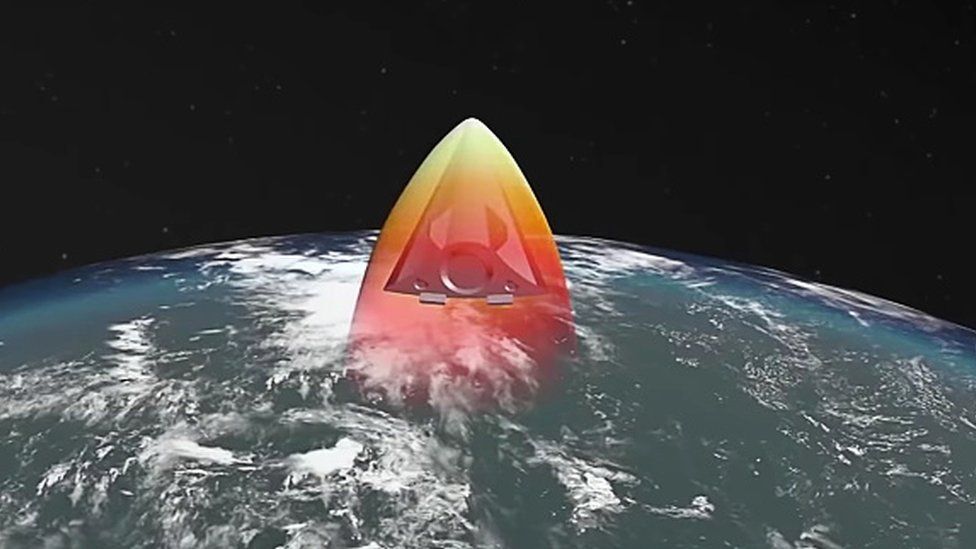
Zellman described the emerging concept as “missile tracking,” reflecting a broader shift toward continuously observing weapons throughout their flight. Under this model, sensors in space would not merely tell commanders that an attack has begun but would contribute directly to the tracking information required by missile-defence systems. The U.S. Armed Forces have relied on space-based missile-warning capabilities for decades, but the emerging architecture envisages satellites playing a much more active role in tracking and supporting the defeat of threats. Zellman specifically identified the Space Development Agency (SDA) and Missile Defense Agency (MDA) as key partners in achieving this integration. The SDA is developing proliferated satellite constellations intended to provide resilient sensing and communications, while the MDA is responsible for developing and maintaining America’s layered missile-defence architecture.
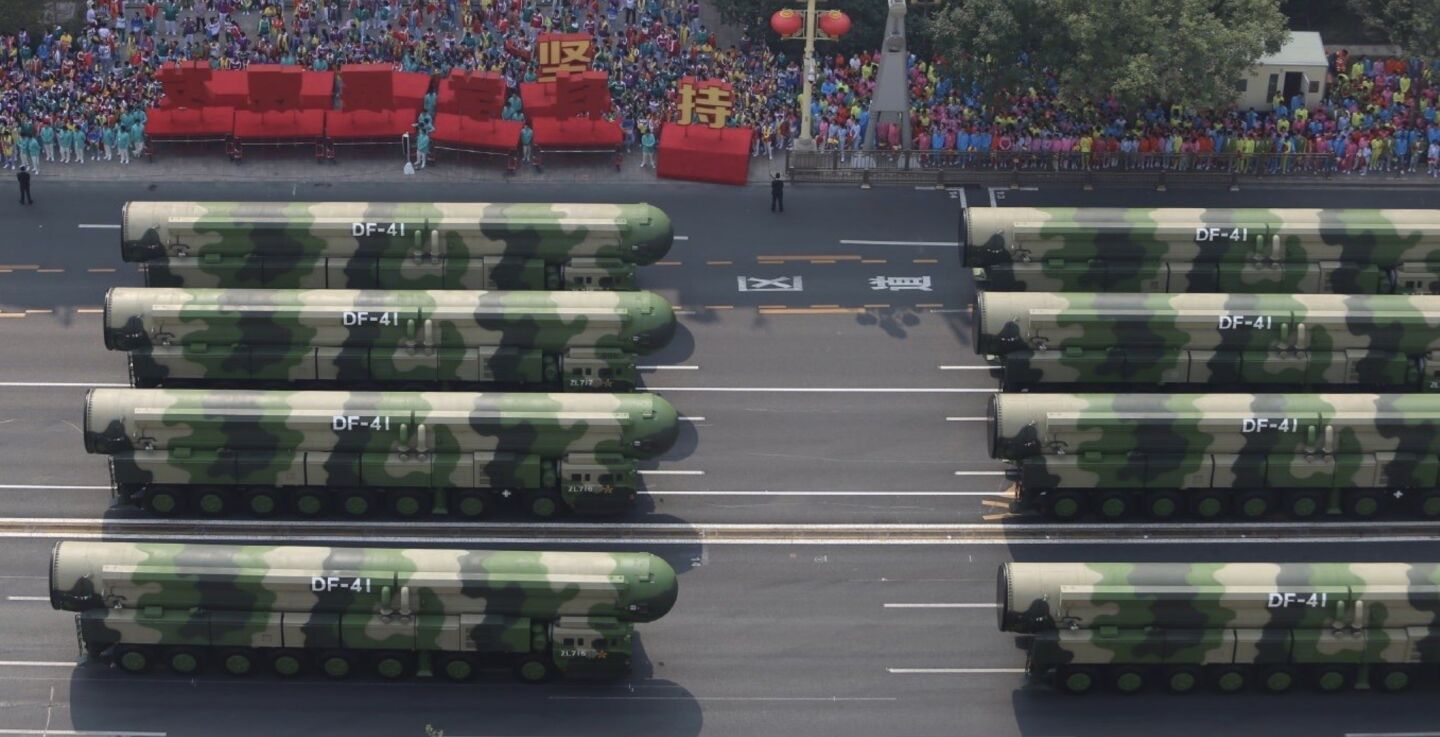
China and Russia have developed increasingly diverse missile arsenals incorporating manoeuvrable reentry vehicles, hypersonic weapons, long-range cruise missiles and other systems designed to complicate conventional missile-defence architectures. China’s defence sector achieved a major landmark in the modernisation of its intercontinental range strike capabilities in November 2021, when it tested a new type of hypersonic glide vehicle. Vice Chairman of the U.S. Joint Chiefs of Staff General John Hyten warned at the time: ”They launched a long-range missile. It went around the world, dropped off a hypersonic glide vehicle that glided all the way back to China, that impacted a target in China.” He stressed the high degree of accuracy the vehicle demonstrated, adding that China was developing capabilities "stunning," and that its technological advantages threatened to allow it to launch a surprise nuclear attack.
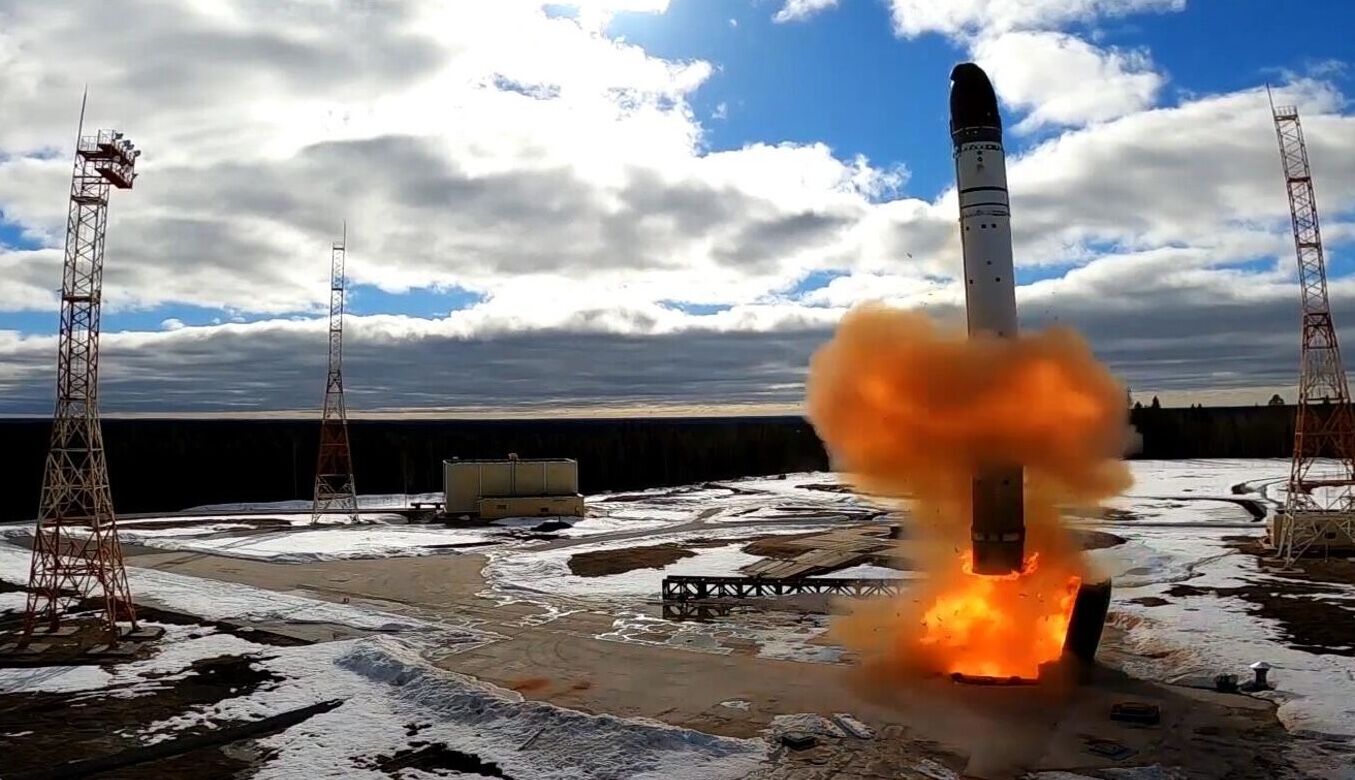
The United States has accelerated work on the development of the Golden Dome missile defence system specifically due to the Pentagon’s growing concerns regarding the capabilities of new Chinese and Russian hypersonic missile systems. Officials have increasingly warned that the current U.S. missile defence architectures are wholly insufficient to counter the Chinese and Russian arsenals, and require an entirely new approach. The Golden Dome system is intended otherwise provide a defence not only against ballistic missile attacks, but also against cruise missiles, drone swarms, and coordinated multi-domain attacks involving cyber and electronic warfare capabilities. Its viability has repeatedly been brought to question due to both cost constraints and technological factors.
