
Sinking the Unsinkable; How Vietnamese Commandos Caused the Only Aircraft Carrier Loss since the Second World War
Military Watch Magazine Editorial Staff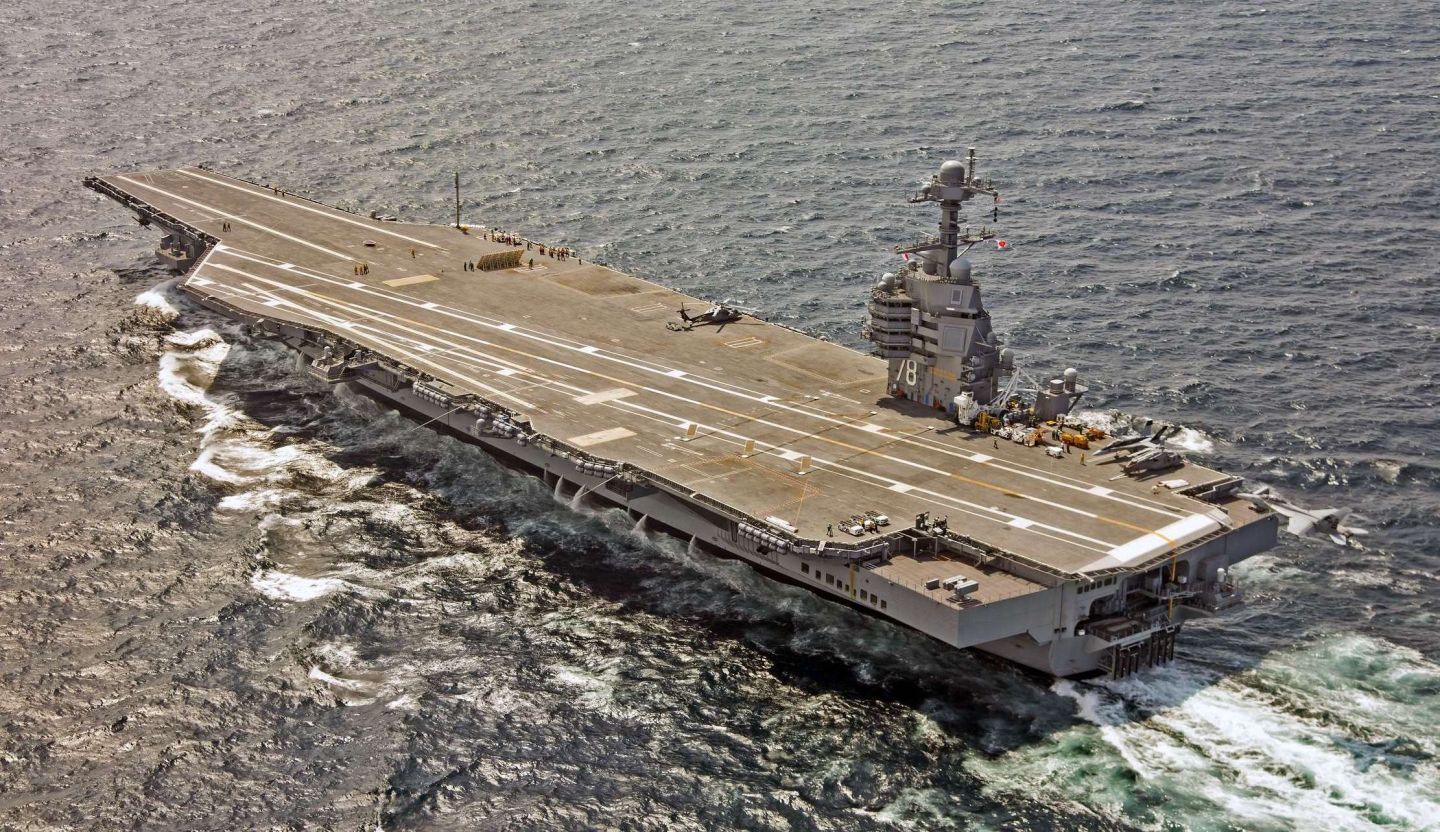
U.S. Navy Air Craft Carrier USS Gerald Ford
On May 2nd 1964 commandos from the Viet Cong insurgent group, a part of the Viet Minh movement which fought against American and French forces in South Vietnam, launched an attack on a U.S. carrier warship docked in capital Siagon. The commandos were from the 65th Special Operations Group, and the two men alone were tasked with destroying the Bogue Class escort carrier which was tasked with transporting American aircraft and M113 armoured vehicles to Vietnam. Their success would mark the only sinking of an aircraft carrier since the surrender of Imperial Japan, and was considered a major victory for the Veit Minh. The commandos infiltrated Saigon Port through a sewer tunnel, each carrying a heavily load of over 40kg of high explosives and an array of bomb making components. The ship targeted was the USNS Card, a warship commissioned shortly after the outbreak of the Second World War, primarily saw service in the Atlantic in anti submarine warfare operations against Nazi Germany. The Card was later recommissioned in 1958 as the need for carriers grew with the Cold War's escalation, and remains today the only carrier warship sunk since the Second World War.
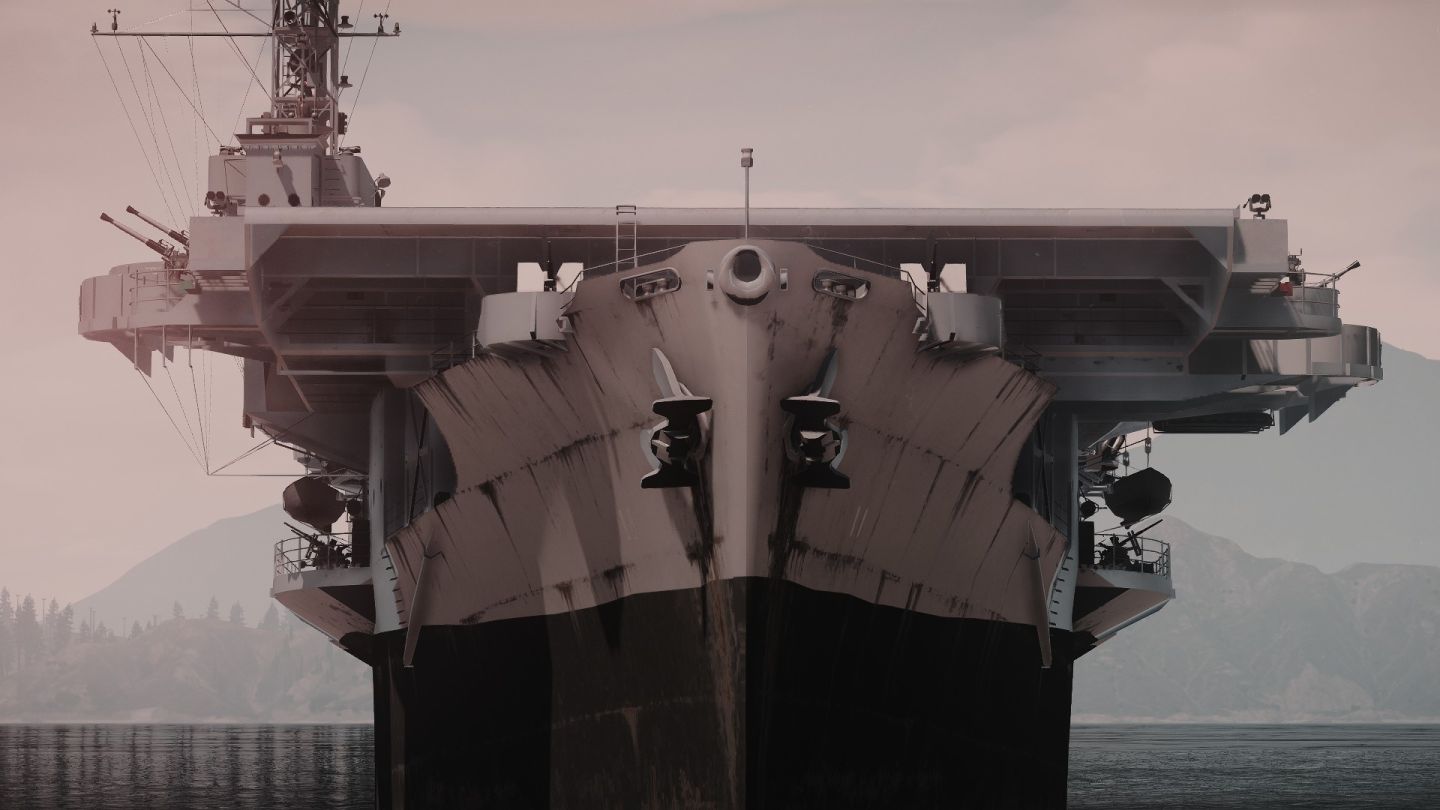
Operating under cover of dark, the commandos swam towards the American carrier and spend about an our in the water attaching charges to the ship’s starboard side near the bilge and the engine compartment. After setting the timers, they swam away to safety. One of the commandos was Lam Son Nao, an employee at the port facility who unknown to the South Vietnamese police at the time was also a member of the Viet Cong. His job had placed in an excellent position to inspect sewer tunnels to find the best way of infiltrating the port’s defences and evading the extensive patrols which protected the American warships. Nguyen Phu Hung, a second commando trained by Nao, assisted him in carrying out the operation. The two were never apprehended and became heroes of the Vietnamese resistance for their success. When the charges exploded, several minutes after the two had left, five American crewmen were killed and a massive hole was torn in the warship’s engine room compartment. Some reports indicate that the munitions were U.S. made and were acquired by the Viet Cong through third parties.
The USNS Card’s engine compartment was completely flooded, and the warship was sunk. U.S. Naval expert and former serviceman Roger Thompson, in his extensive study demonstrating the purported vulnerability of aircraft carriers, stated regarding the incident: “in this world in which the great effort is made to conceal truth, it is not surprising that a carrier cannot be 'sunk,’ even if it really did happen.” While the sinking represented a major symbolic triumph for the Vietnamese resistance, the United States Navy took extensive measures to deny the Viet Cong their victory be recovering the warship. An effective and rapid response conducted by the U.S. military, deploying divers and salvage teams from the Philippines and Japan, managed to recover the warship. The U.S. Navy Seals also took part in the recovery operation. Their combined efforts managed to resurface the USNS Card, and the warship was moved to Subic Bay for repairs. While the sinking remains disputed, with the U.S. Navy continuing to insist that it had not lost a carrier since the Second World War, this remains only partially true. Indeed, the Navy at the time refused to admit that the warship was sunk for even a brief period - with the undermining of the image of an indomitable U.S. military threatening to increase support for the Viet Minh and Viet Cong in South Vietnam and shake the faith of American allies in its military strength. The North Vietnamese success demonstrated the vulnerability of advanced warships to relatively basic technologies in wartime, particularly when deployed in support of a friendly but unpopular government which faced an insurgency from within its own borders. The North Vietnamese government for its part praised the commandos and released a postage stamp proclaiming: "Aircraft Carrier of America sunk in the Harbor of Saigon.” While some analysts have equated the sinking of the USNS Card as a sign of potential vulnerability for modern American carriers such as the Nimitz and Gerald Ford Class ships - which are almost ten times as large as their Cold War predecessor - it is difficult to draw many parallels due to the very different tactics which are advocated today to tackle aircraft carriers and the unique circumstances under which the USNS Card was sunk.
