
Russian Tu-95 Strategic Bombers Stage Long Flight Across East Asia, Landing in Vietnam in Major Show of Force
Military Watch Magazine Editorial Staff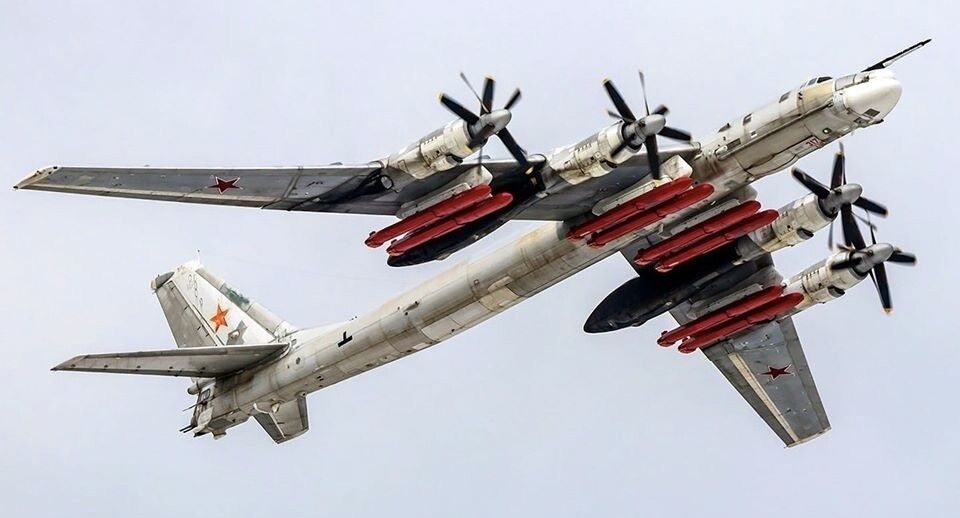
Tu-95 Strategic Bomber with Eight Kh-101/102 Cruise Missiles
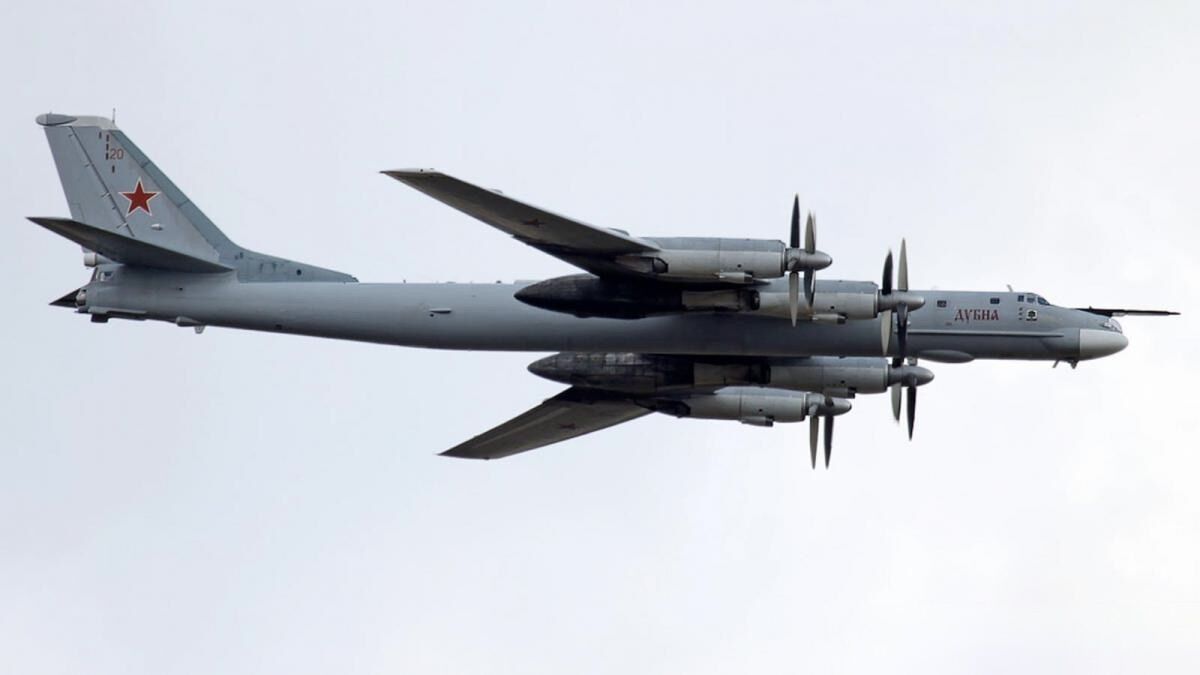
The Russian Aerospace Forces have conducted an unusual long-distance strategic aviation deployment across East Asia, with two Tu-95MS intercontinental range strategic bombers flying south past Japan, South Korea and Taiwan before arriving at Vietnam’s Da Nang International Airport on November 17. The flight was accompanied by a series of airspace incidents, including an alleged violation of Japanese territorial airspace and entries into the South Korean and Republic of China air defence identification zones. The deployment coincided with preparations for the Asia-Pacific Economic Cooperation summit in Shenzhen on November 18–19, adding to its diplomatic significance. It also occurred one day before the scheduled launch of an unarmed U.S. Minuteman III intercontinental ballistic missile, creating an unusual concentration of strategic aviation and nuclear deterrence activity across the Pacific.
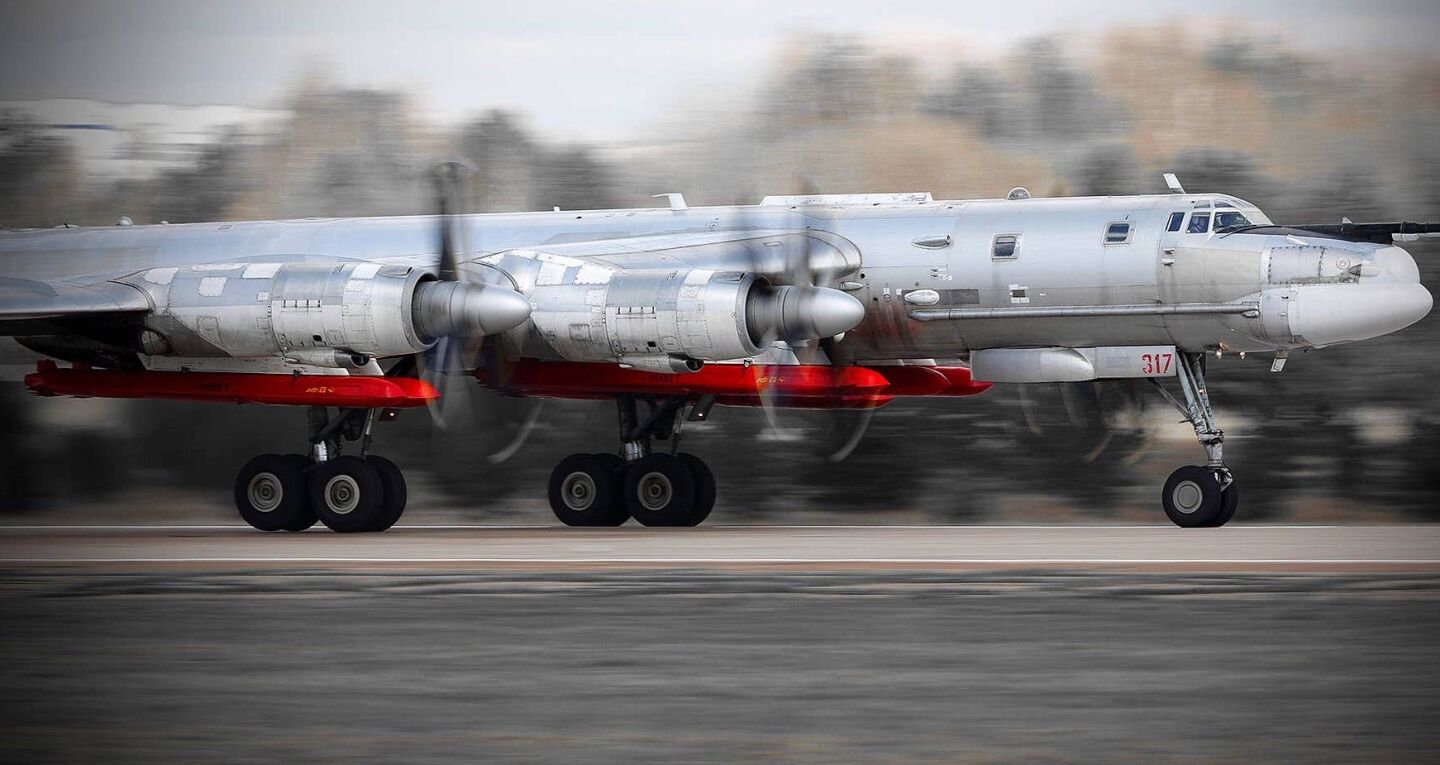
Russia has repeatedly deployed long-range bombers to distant regions, including Venezuela and South Africa, using such missions to demonstrate endurance, strengthen military relationships and signal that its strategic aviation forces retain global reach. The Vietnam deployment provides another opportunity to demonstrate these capabilities, although the precise purpose of the mission has not been officially established. Vietnam is an important Russian defence partner, with longstanding military relationships encompassing aircraft, submarines, air-defence systems and other equipment. The country’s acquisition of Russian military technology has historically made it one of Moscow’s most significant partners in Southeast Asia. Allowing Russian strategic bombers to land at Da Nang also provides a visible demonstration of the continuing relationship, although the use of an international airport does not necessarily indicate the establishment of a permanent Russian military presence or access to a dedicated strategic aviation facility.
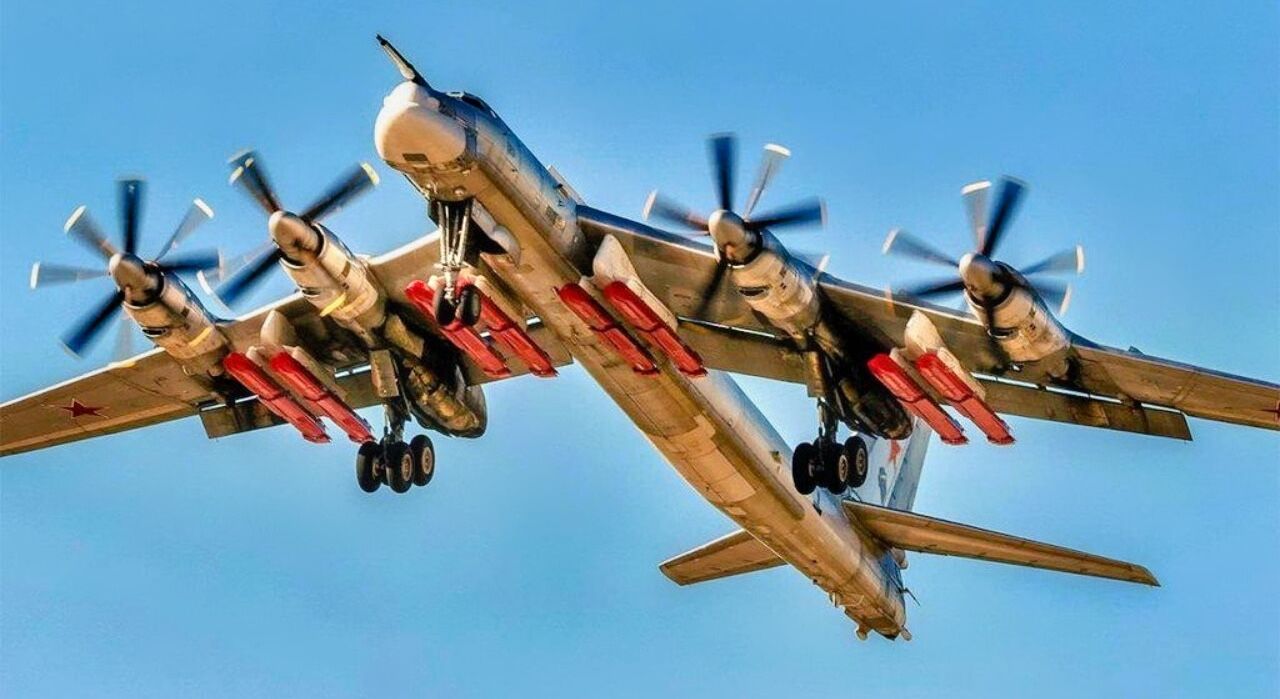
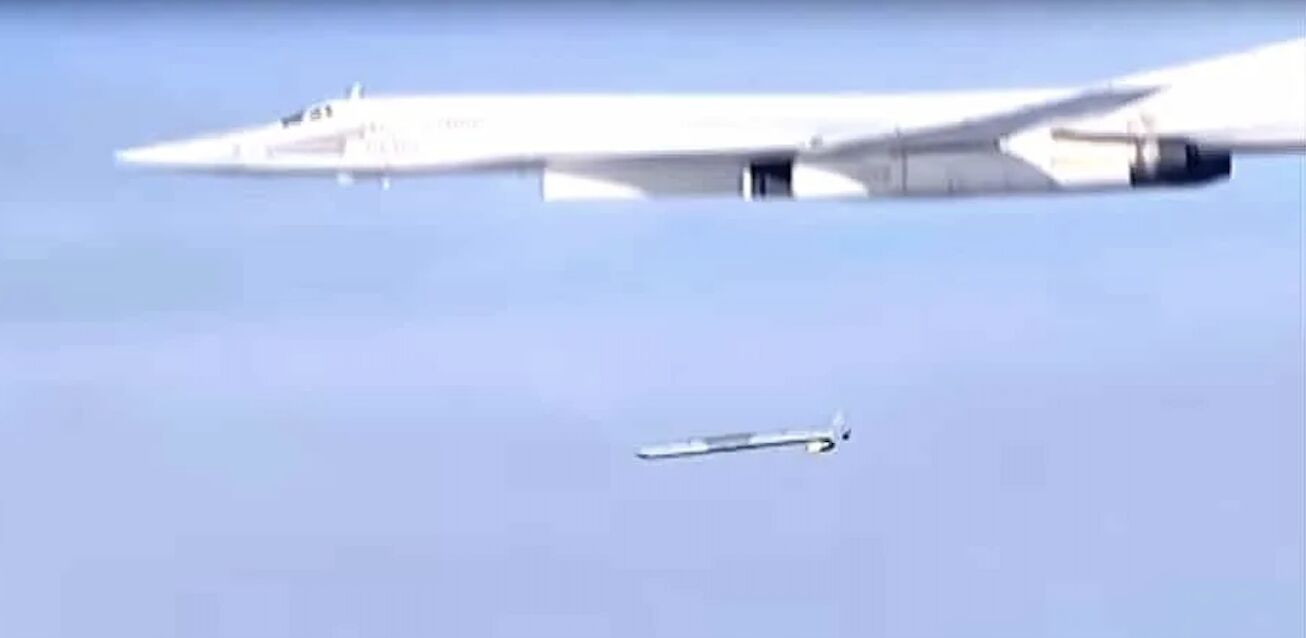
The Tu-95MS forms the backbone of the air arm of Russia’s strategic nuclear forces, and is configured to carry Kh-101 and nuclear-armed Kh-102 long range radar evading cruise missiles. Its turboprop propulsion gives it a distinctive combination of long endurance and relatively economical operation, allowing it to conduct extended patrols and reach distant regions without requiring forward deployment of its own forces. Its ability to launch cruise missiles from outside defended airspace makes it a significant component of Russia’s strategic strike capability. The aircraft were produced in the late 1980s and throughout much of the 1990s, and are expected to be phased out of service by newer Tu-160M and later PAK DP bombers.
Japan’s Ministry of Defence reported that two suspected Russian military aircraft separately entered its territorial airspace northwest of Okinoshima, off Fukuoka Prefecture, at approximately 4:07 and 4:09 a.m. local time. Each remained inside Japanese airspace for around three minutes, prompting the Japan Air Self-Defence Force to scramble fighters and issue warnings. Tokyo subsequently lodged a strong protest with Moscow, describing the incident as a serious infringement of Japanese sovereignty. The aircraft continued south through the Tsushima Strait and passed between Japan’s Yonaguni Island and Taiwan Island before reaching the western Pacific.
Flying past Japan, South Korea and near the Taiwan Strait allowed the Russian aircraft to demonstrate an ability to operate across several strategically important areas in a single mission. The flight required the aircraft to traverse airspace monitoring zones maintained by three regional military powers, each of which maintains substantial air surveillance and interception capabilities. The Japanese territorial airspace violation was particularly significant because it went beyond the routine entry of foreign military aircraft into an identification zone and prompted a formal diplomatic response. This occurred at a time of prolonged high tensions between Moscow and Tokyo.
