
Russian T-90M Tank Shoots Down Drone Using New Enhanced Arena-M Active Protection System
Military Watch Magazine Editorial Staff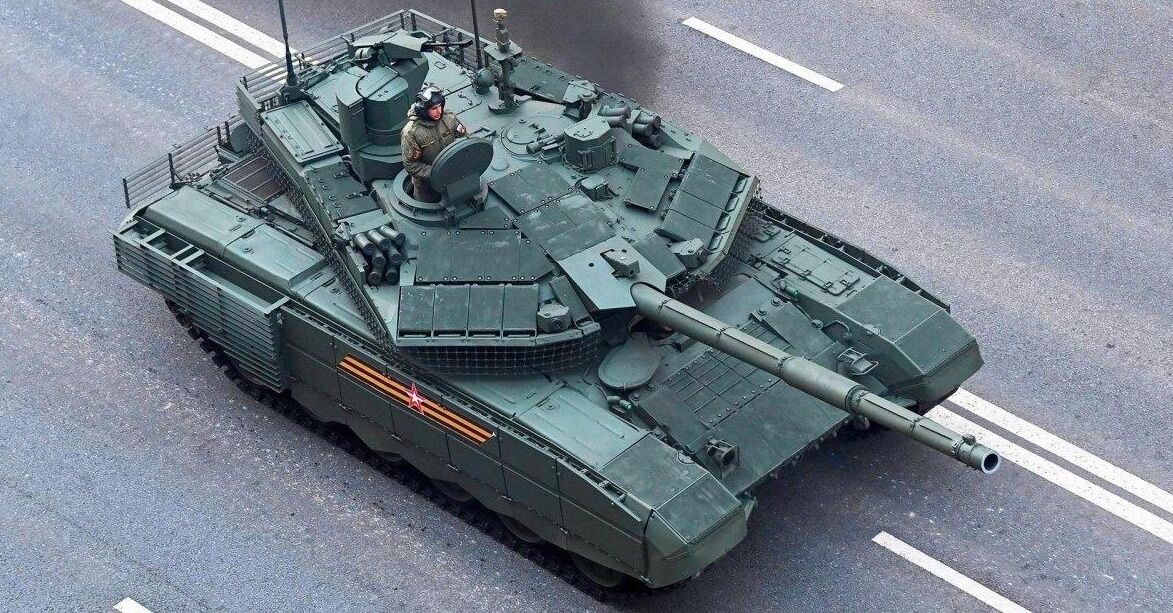
T-90M Tank
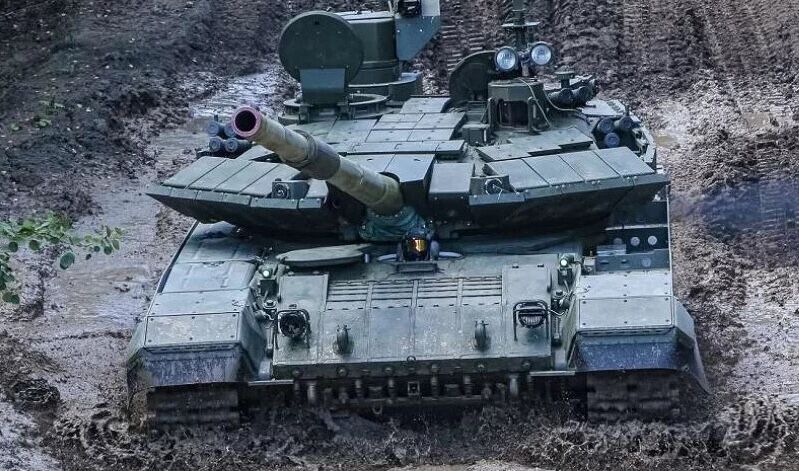
A Russian Army T-90M main battle tank has demonstrated the ability to engage attacking unmanned aerial vehicles during military exercises, highlighting efforts to adapt armoured vehicles to the growing threat posed by drones. This was achieved using a new variant of the Arena-M active protection system adapted specifically to counter drones and loitering munitions. The system uses a radar to detect approaching threats before launching interceptor munitions intended to destroy them before they reach the protected vehicle.
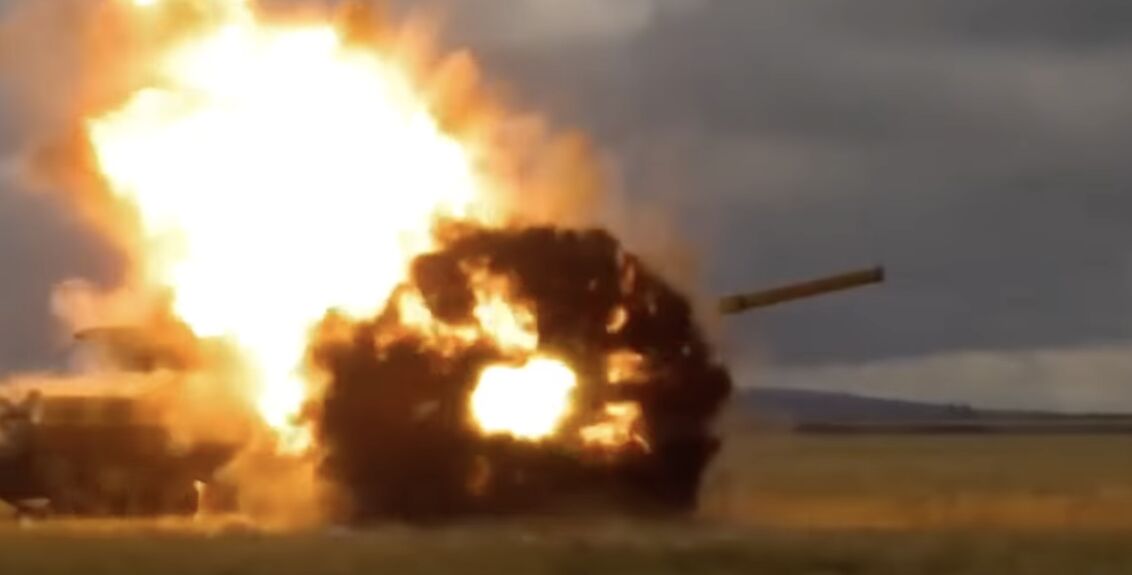
The Arena-M was originally developed primarily around conventional anti-armour threats, but has since been adapted to counter unmanned aircraft, which have become in many respects the most significant threat to tanks and other armoured vehicles in high intensity combat operators. Russian defence officials confirmed in early 2026 that software modifications had given Arena-M a dedicated anti-drone mode. T-72B3A vehicles equipped with the modified system subsequently began appearing with Russian frontline units, with crews receiving additional training before the tanks were deployed. The Arena-M is not known to have been integrated onto tank types other than the T-90M and T-73B3A, the latter which has an armour configuration closely based on that of the former.
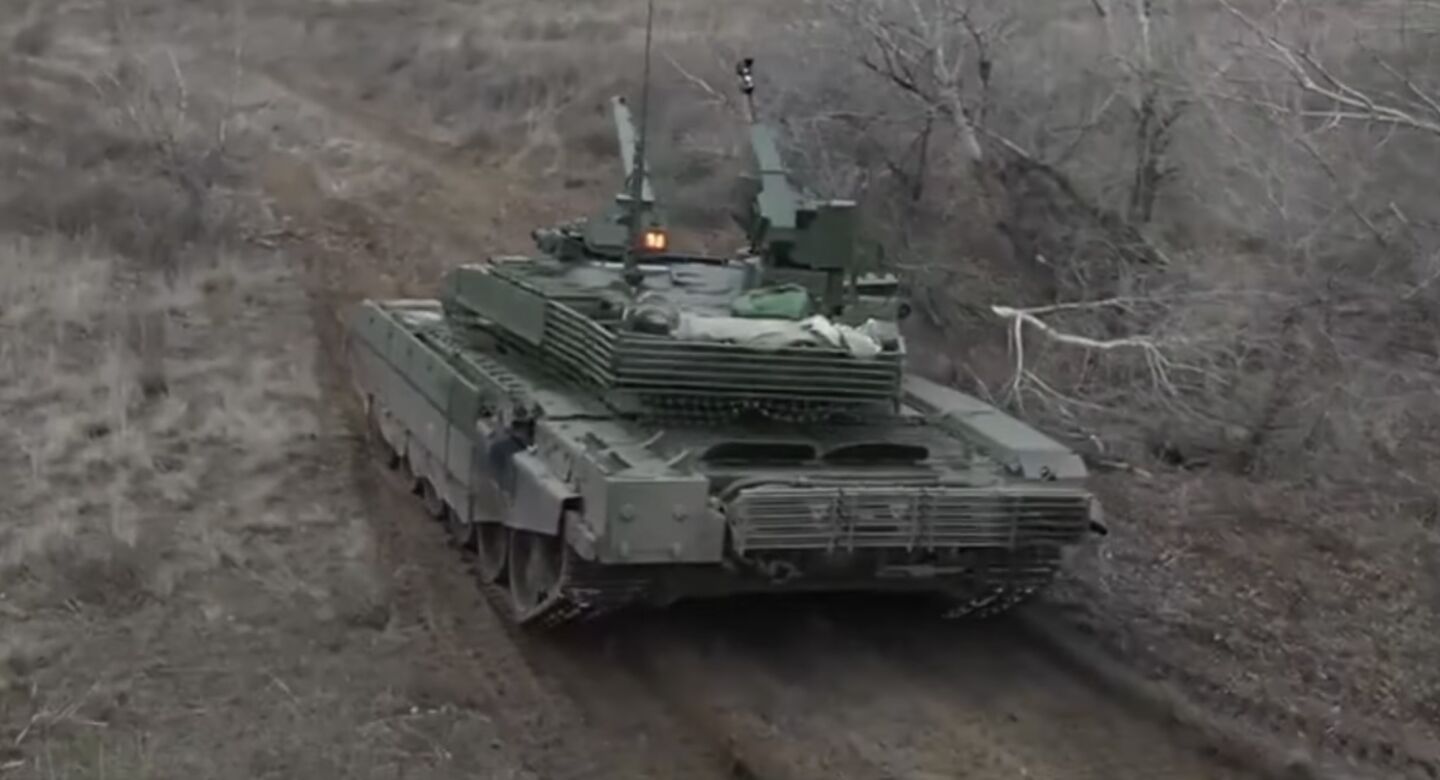
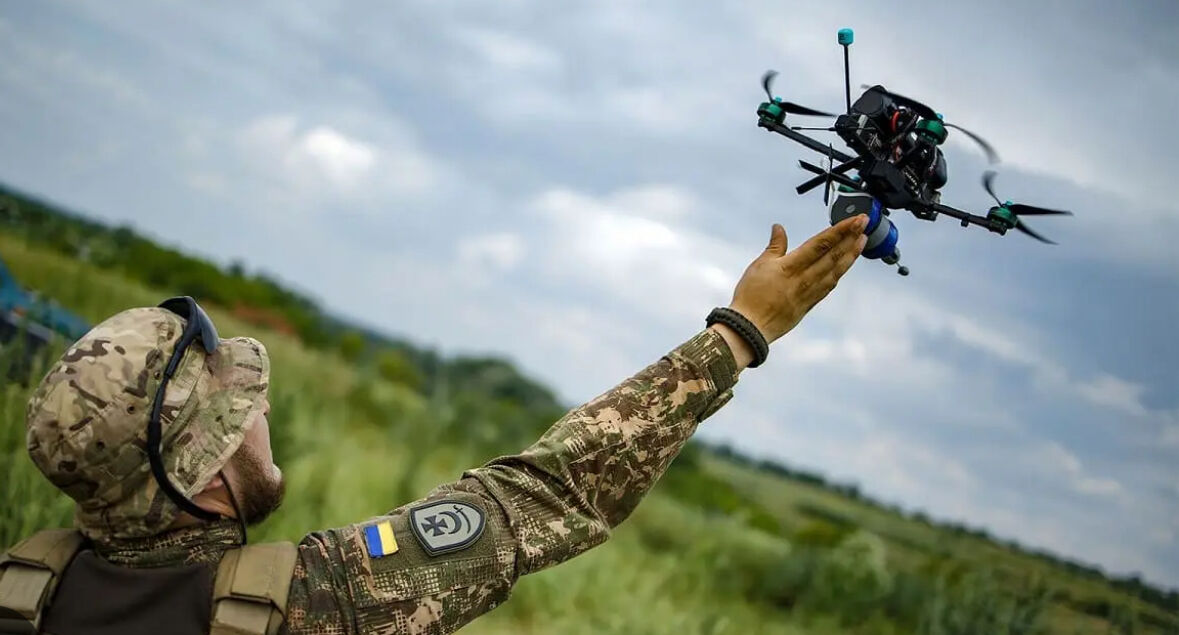
The latest exercise footage is significant because it shows the concept being demonstrated against airborne targets under controlled conditions. It follows the first documented battlefield employment of Arena-M against Ukrainian FPV drones, where a Russian T-72B3A was filmed apparently launching an interceptor against an approaching drone. Analysts assessed that the upward blast visible in the footage was consistent with an Arena-M effector being fired, while burning debris behind the tank was assessed as likely coming from the destroyed drone. Russian forces have consequently been experimenting with multiple other approaches to protecting armoured vehicles from drones, including electronic warfare systems, improvised overhead protection, remote weapon stations, additional armour and active protection systems.
The T-90M is by several estimates in production on a much larger scale than any other type of main battle tank in the world. With the Russian defences sector having achieved an approximate tripling of output from 90-110 T-90 tanks per year in 2020-2021, to 280-300 tanks in 2024, an assessment by the Conflict Intelligence Team in 2025 indicated that output will reach a landmark 1,000 T-90M tanks by mid-2028, and 3000 by mid-2035. Integration of the Arena-M system is by far the most significant upgrade the T-90M has received since entering service, and complements the advantages in armour protection the type enjoys over prior Russian tank designs. The T-90M’s firepower is also far superior to its predecessors, with a new autoloader and main gun allowing it to integrate longer APFSDS rounds with a much greater penetrative capability against enemy armour.
Commenting on the capabilities of the Arena-M, Russian defence expert Dmitry Kornev observed: "Essentially, the tank is receiving its own air defence and missile defence system.” He stressed that its ability to shoot down drones was its most important feature, noting that all-aspect protection could significantly change the role of armoured vehicles in modern combat and once again increase their importance in ground operations. Although the Soviet Union brought the first active protection system into service in the 1980s, progress slowed considerably after the state’s disintegration, with the Arena-M being the first system to be widely integrated in the post-Soviet era, and entering service only from 2024. Israel, China, South Korea and North Korea were all able to bring modern systems into widespread service the Arena-M was made operational, although Russia retained a significant lead over countries in the Western world in doing so.
