
Russian Su-35 Fighter Fires Enhanced Kh-31PM Radar-Hunting Missile to Target Ukraine’s Patriot Air Defences
Military Watch Magazine Editorial Staff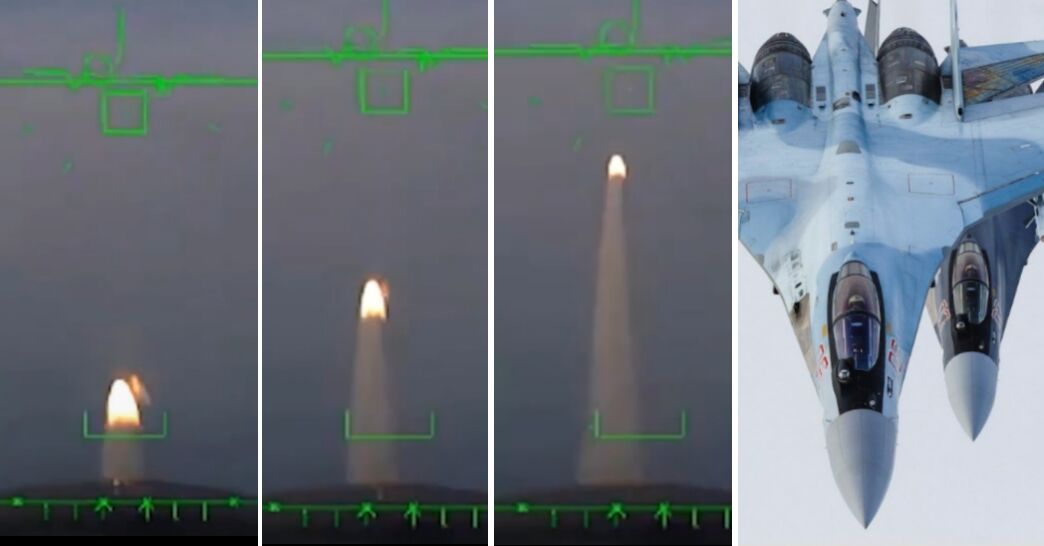
Kh-31PM Launch and Su-35 Fighter
Footage released by Russian sources has shown a Russian Aerospace Forces Su-35 air superiority fighter firing a Kh-31PM anti-radiation missile, which was reportedly launched to target components from a Ukrainian MIM-104 Patriot long range air defence system. According to the target range cue, the missile was fired from 125 kilometre ranges. The missile reportedly has a 55 kilometre minimum range, with its maximum range approaching 300 kilometres. Although the majority of footage showing the targeting of Ukrainian air defence systems has involved Russian Iskander-M ballistic missile systems, the use of Kh-31 missiles has been reported in the past.
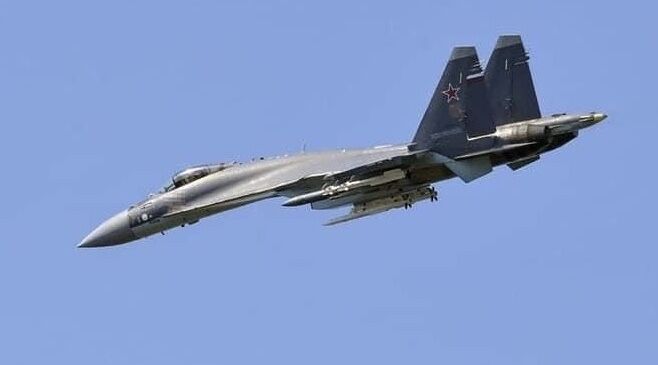
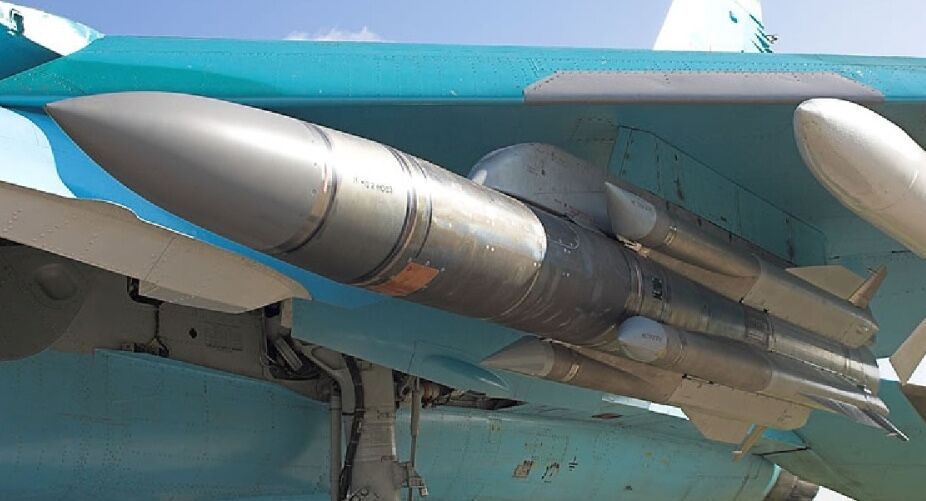
The Kh-31PM is one of Russia’s most advanced anti-radiation missiles, and represents a major evolution of the Soviet-era Kh-31P, combining the original missile’s exceptionally high speed with a substantially improved seeker and propulsion system. The original Kh-31P could be fitted with different seeker modules, each optimised for particular radar frequency bands requiring operators to select the appropriate seeker based on knowledge of what type of radar the missile was expected to encounter. The Kh-31PM instead incorporates a multi-band L-130 passive seeker, the broadband architecture of which is intended to allow the missile to detect a much wider variety of radar emissions.
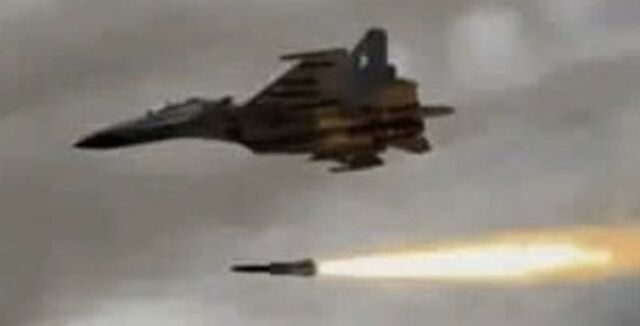
The Kh-31 family has an unusual propulsion arrangement that remains one of its defining characteristics. The missile initially uses a solid-fuel rocket booster to accelerate rapidly after launch, after which the booster is discarded and a ramjet sustainer takes over. This allows the missile to reach extremely high speeds; Russian documentation for the earlier Kh-31P gives a maximum velocity of approximately 1,000 metres per second, while open-source assessments of later variants commonly place peak speeds around Mach 4 or higher. This speed reduces reaction times and makes missiles much more challenging to intercept.
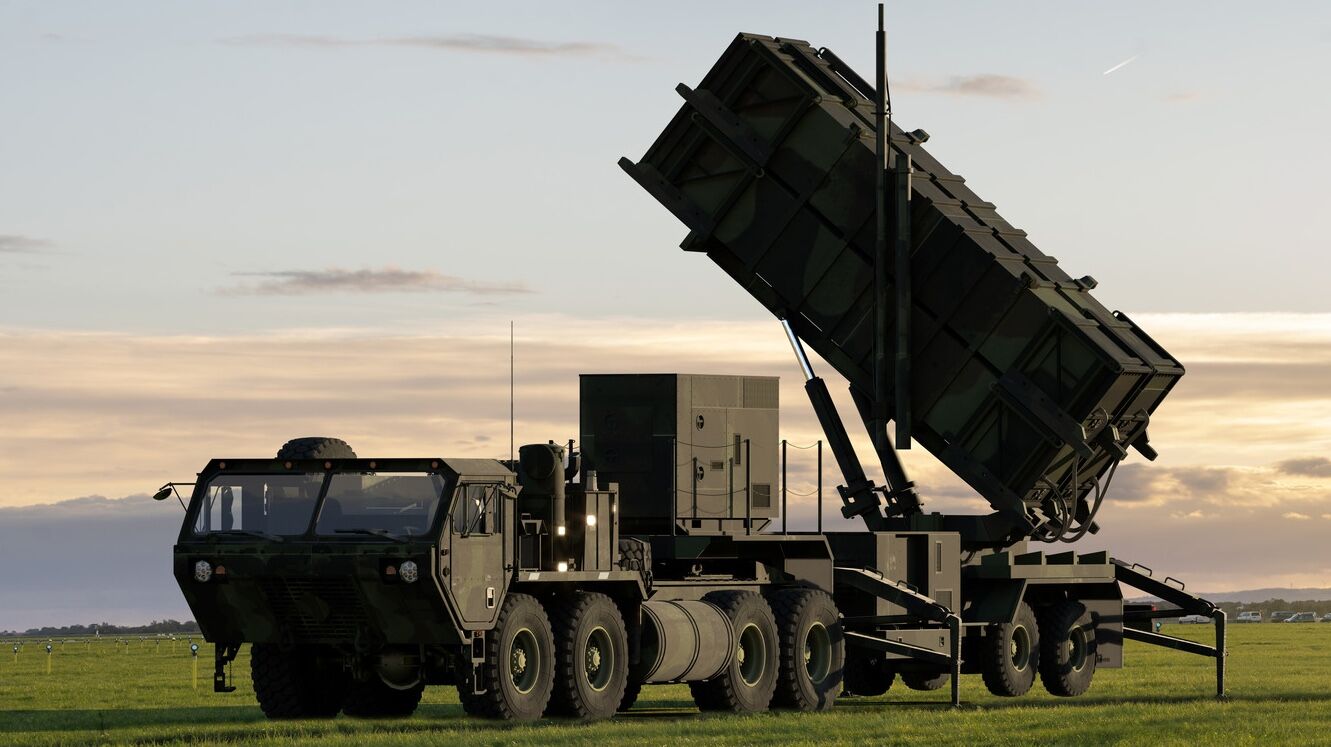
Russian Su-35s have been observed carrying Kh-31PM missiles during operations in Ukraine from early 2022, with Russian pilots having described a procedure in which the missile’s passive seeker is activated before entering the threat area, allowing it to automatically launch after detecting the relevant fire-control radar. The Kh-31PM is a passive radar-homing weapon, meaning it does not transmit a radar signal to find its target, and instead homes in on electromagnetic radiation from enemy radar systems. This provides a major advantage, as an aircraft launching a conventional active-radar missile must potentially expose itself by using its own radar to locate and track a target.
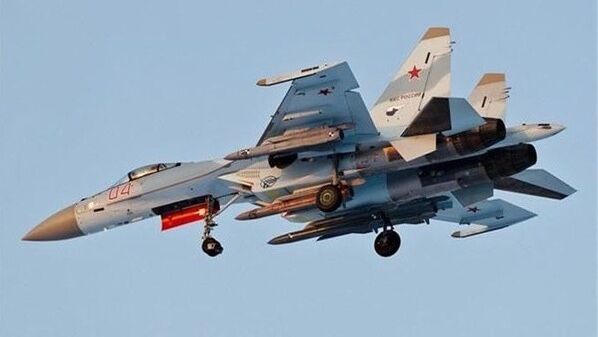
The baseline Kh-31P weighs approximately 586–600 kilograms and carries a high-explosive fragmentation warhead of roughly 87–89 kilograms, providing more destructive potential than the large majority of anti-radiation missiles. This provides a greater change that more components from a targeted system will be destroyed and that operators will suffer greater casualties. Although this larger warhead adds to the fighters weight, the heavy weights of Russian fighter types like the Su-35 mean that it can be carried without significantly impacting flight performance.
The war in Ukraine has seen ground-based air defences play a particularly central role, with Ukrainian forces relying particularly heavily on such systems to compensate for a total lack of modern fighter aircraft. Russia saw its own air defence suppression capabilities decline considerably since the disintegration of the Soviet Union, with specialised aircraft such as the MiG-25BM retired without replacement. Mobile air defence systems are inherently difficult targets because they can relocate after detecting an attack, with a very fast anti-radiation missile can reduce the time available for such movement. With the Patriot suffering from significantly lower mobility than rival Russian systems, this further increases its vulnerability.
