
Russian Military Satellite Manoeuvres Into Targeting Range of NATO Recon Sat. Supporting Ukrainian Strikes
Military Watch Magazine Editorial Staff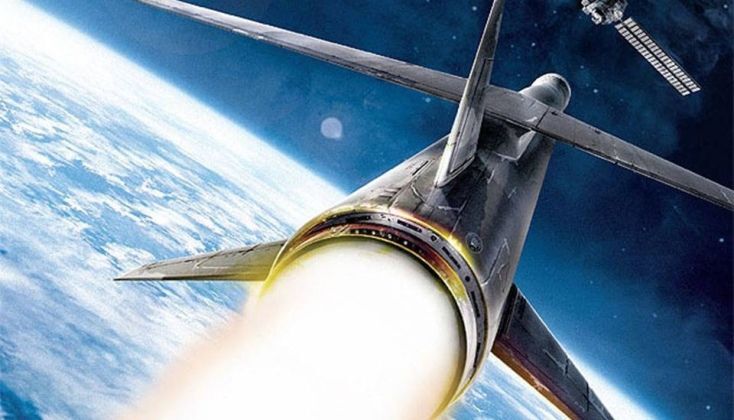
Anti-Satellite Missile Artwork
A Russian military satellite has manoeuvred into an orbit that could allow it to approach a U.S.-registered commercial reconnaissance satellite providing intelligence support to Ukraine, raising concerns over the Russian Armed Forces’ potential ability to threaten Western space assets. The Russian spacecraft, Cosmos 2612, has adjusted its orbit to match that of ICEYE-X36, a synthetic aperture radar (SAR) satellite operated by Finnish-founded company ICEYE, which supplies imagery to Ukraine and Western governments. The manoeuvres have attracted attention because changing a satellite’s orbital inclination requires substantial energy and consumes limited onboard propellant. Satellites conducting routine Earth-observation or communications missions generally have little reason to make expensive orbital-plane changes simply to align themselves with another spacecraft. Once two satellites occupy the same orbital plane and similar altitudes, however, one can adjust its position relative to the other and conduct repeated close approaches with comparatively smaller additional manoeuvres.

Western analysts have warned that Cosmos 2612 could potentially conduct an operation that threatens the ICEYE satellite. Possible close-proximity operations could have non-hostile purposes, such as inspection or satellite servicing, but could also facilitate surveillance, electronic interference or the use of a counter-space weapon. A spacecraft could potentially damage another satellite through a direct collision or the release of an object, while certain forms of interference could disrupt its operation without physically destroying it. There is currently no public evidence establishing that Cosmos 2612 has attacked ICEYE-X36 or that an attack has been ordered. The incident also highlights the growing vulnerability of commercial space infrastructure that supports military operations.
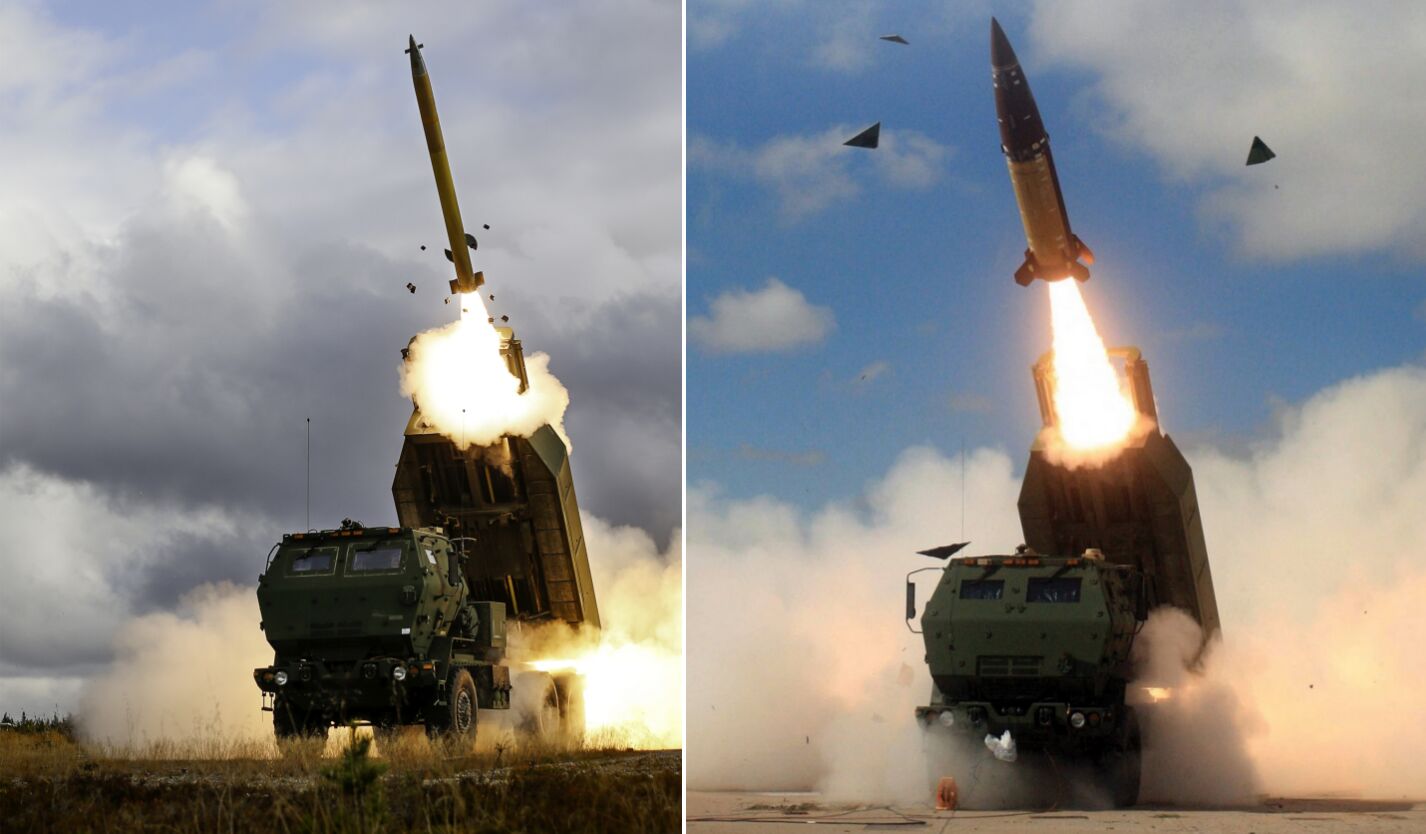
In February 2023 the Russian government has claimed that NATO’s entire network of satellites, and more broadly the alliance’s entire military infrastructure, was working to support Ukraine’s war effort. "We see how NATO’s entire military infrastructure is working against Russia, and we see how NATO’s entire intelligence infrastructure, including reconnaissance aviation, and satellite groupings are working in the interests of Ukraine in a 24/7 mode," an official statement from the Kremlin alleged on February 1. The war has seen space capabilities play an unprecedentedly central role, with the collective satellite capabilities of NATO’s member states providing the Ukrainian Armed Forces and supporting armed groups with a considerable advantage due to the greater limitations faced by Russia’s own smaller network. This has included rapid provision of targeting data for missile and artillery strikes, which have taken a heavy toll on Russian forces.
