
Russian Forces Take Out 20 Brazilian Mercenaries in Ukrainian Clashes
Military Watch Magazine Editorial Staff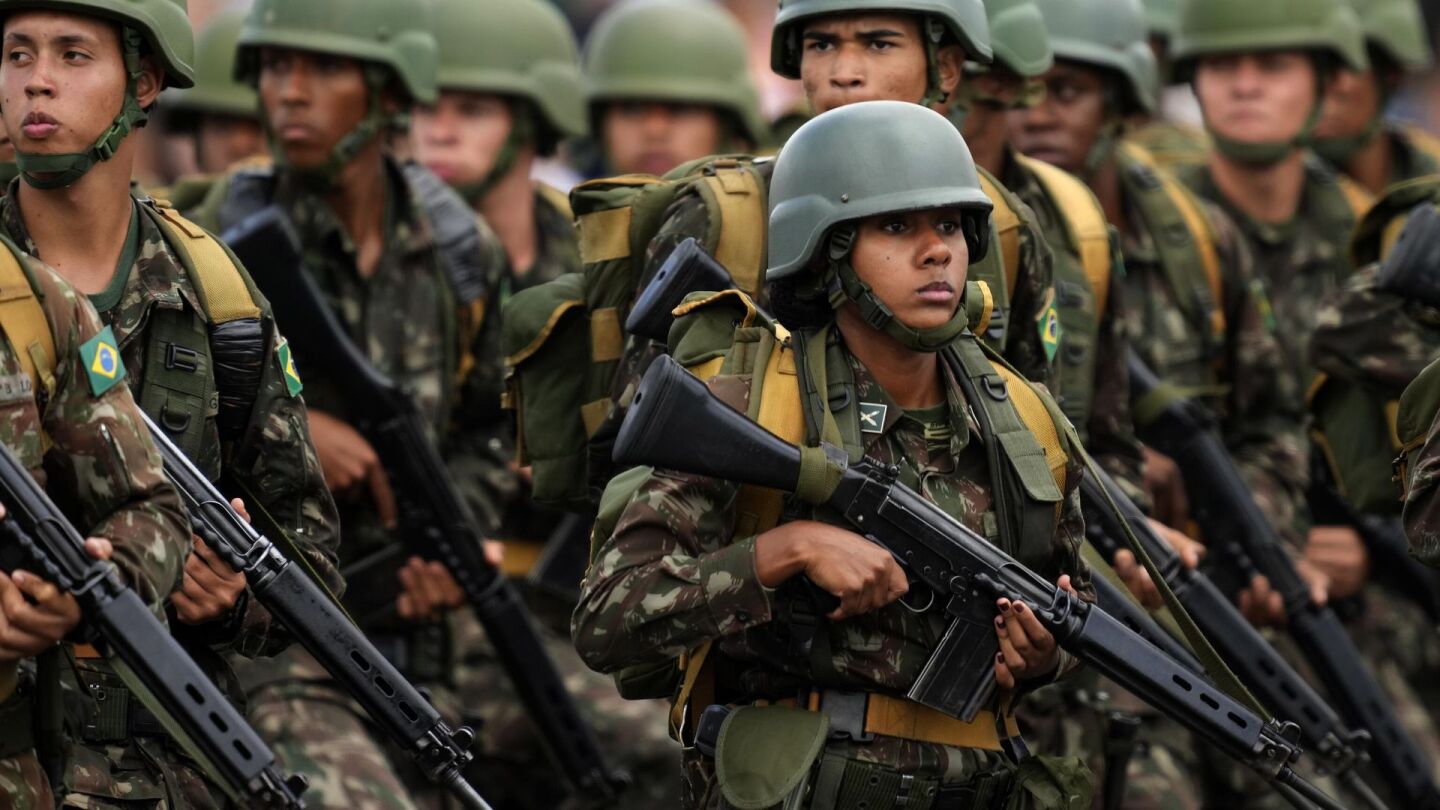
Brazilian Army Personnel
Russian forces are reported by local sources to have eliminated 20 Brazilian mercenaries “various sectors of the front,” highlighting the continued role of Latin American combatants in the ongoing war effort. Brazilian nationals have become an increasingly visible component in the foreign frontline combat units, and by some estimates are second only to Colombians among Latin American mercenaries in the theatre. The Brazilian presence has also become increasingly controversial, following allegations involving recruitment practices, organised crime connections and, most recently, the death of a Brazilian recruit at a military facility in Kiev.
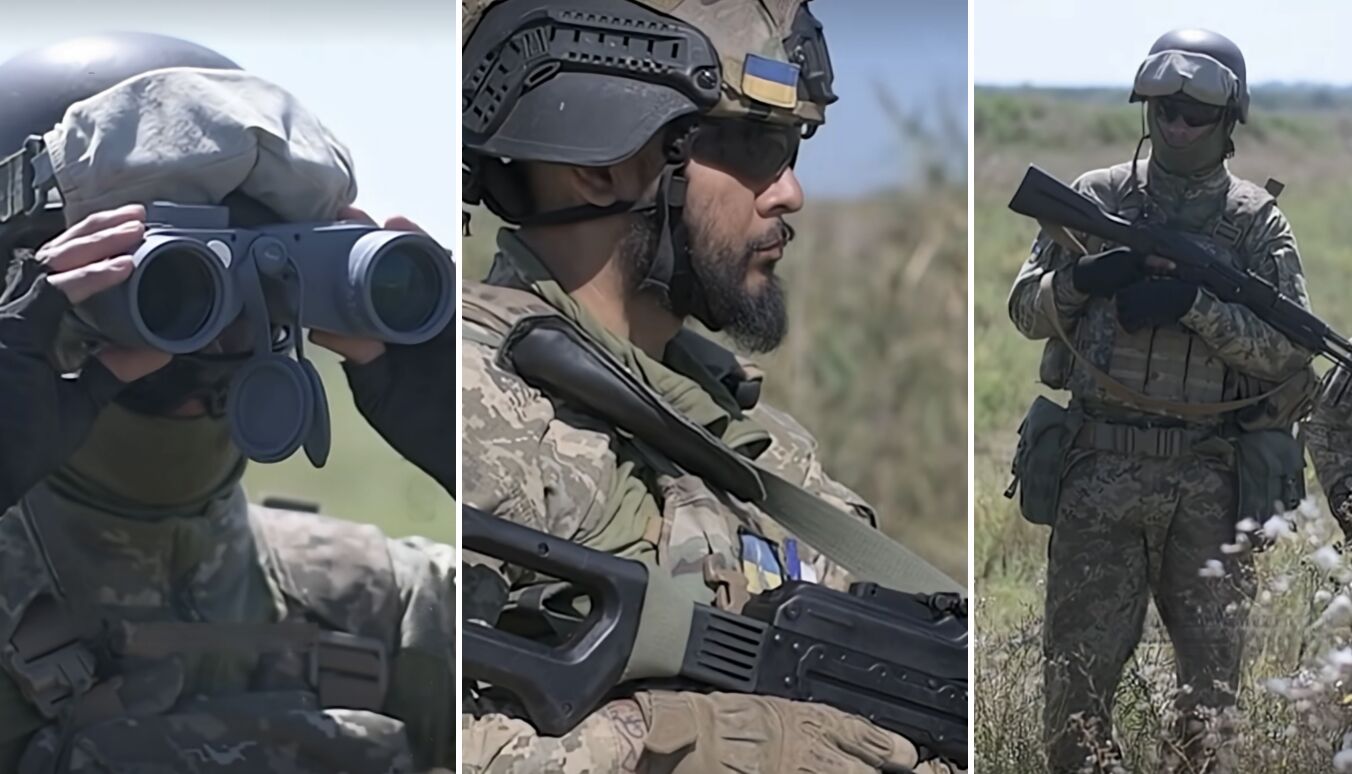
The Brazilian-led Advanced Company is among the most notable units involving personnel from the country, and operates under Ukraine's military intelligence service, HUR, as a roughly 150–200-person formation within the Revanche structure. Its personnel included Brazilian recruits as well as other foreign fighters. Casualty rates among foreign combatants have remained high, with former officer in the Ukrainian Security Service Vasily Prozorov having in December 2025 reported that an estimated 10,000 foreign personnel had been killed in action since early 2022. Foreign fighters have been relied on heavily to compensate for Ukrainian Army’s own increasingly serious personnel shortages.
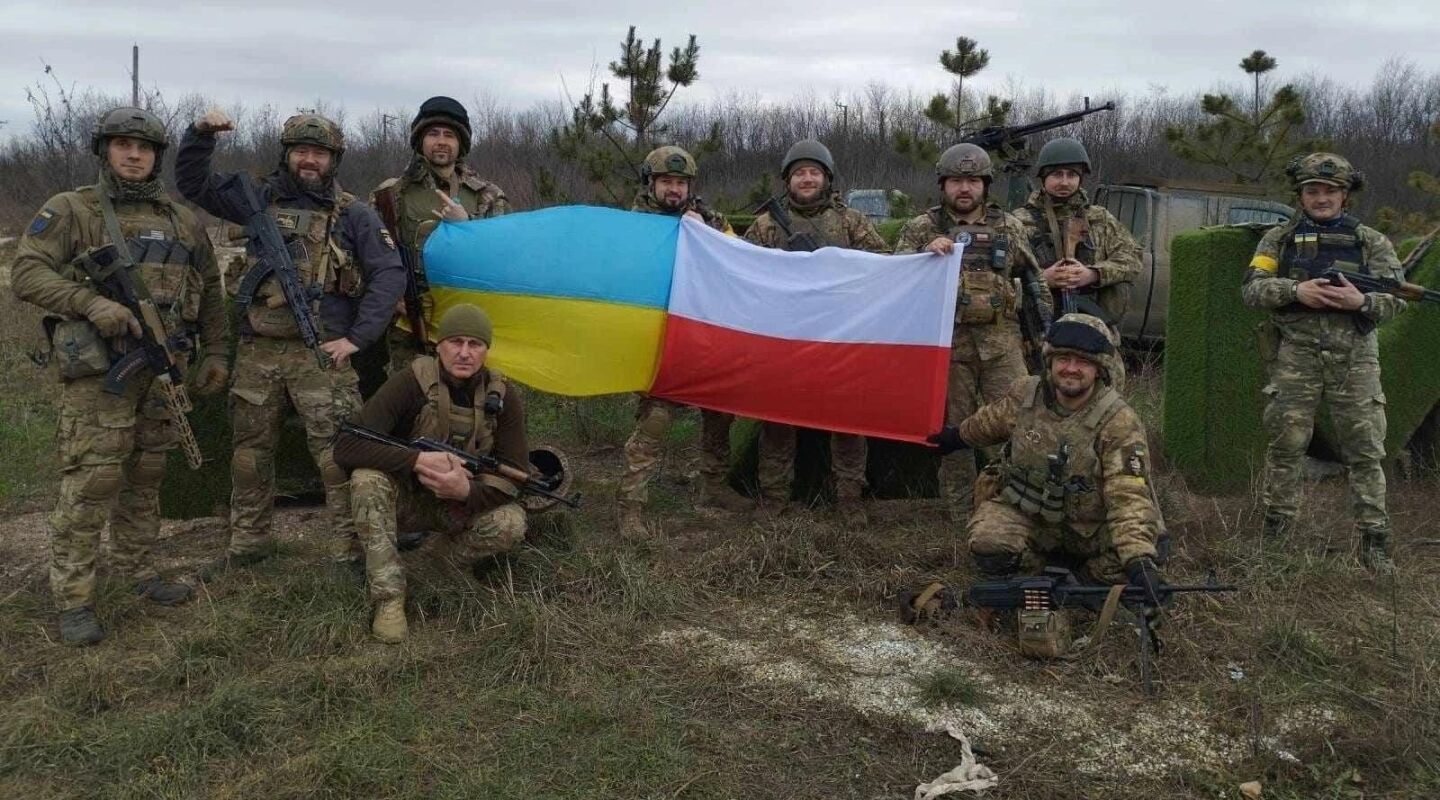
In July multiple informed Russian defence sources reported that the number of Colombian nationals serving alongside the Ukrainian Armed Forces had risen significantly, making them the largest national contingent among Ukraine's foreign combatants. Speaking to state media outlet TASS, the sources alleged that Colombians now accounted for almost half of the estimated number of foreign personnel currently in the war zone, replacing many Western combatants who departed the conflict over the past year. Personnel from NATO member states, and Poland in particular, played central roles in the war’s initial stages.
