
Russian Forces Begin Using Iranian Misagh-2 Missile Systems for Defence Against Ukrainian Strikes
Military Watch Magazine Editorial Staff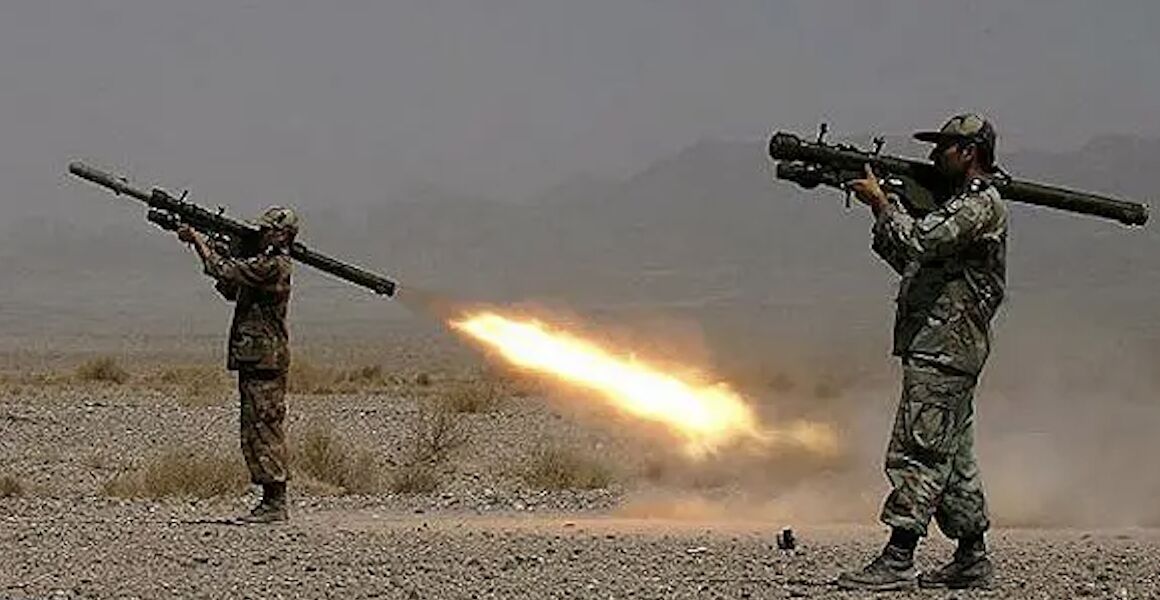
Iranian Personnel with Misagh-2 Launchers
Russian forces have begun using an Iranian Misagh-2 man-portable surface-to-air missile systems to intercept Ukrainian unmanned aircraft, according to Ukrainian reporting and imagery. The system is reported by Ukrainian sources to be in use in the Rostov region. The Misagh-2 uses a passive infrared seeker and is designed as a fire-and-forget weapon. Once launched, the missile can track the infrared signature of its target without requiring continued guidance from the operator, allowing the firing team to immediately leave its position.
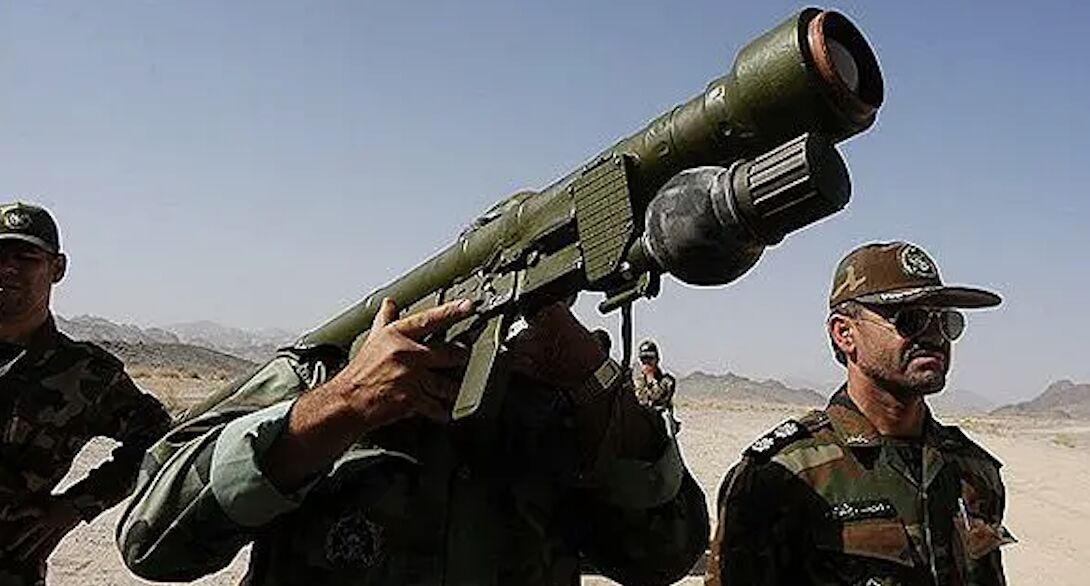
The Misagh-2 was developed from technology originating in China’s QW-1, which was widely exported and established a significant international presence, forming the basis for Iranian indigenous missile development. Iran acquired technology associated with system and began producing the Misagh-1 in 2006. The country subsequently developed the Misagh-2, incorporating changes to the missile’s propulsion, guidance and other components. Iran later developed the Misagh-3, incorporating a laser proximity fuze and improvements to the seeker and propulsion system. These modifications were intended to improve the missile’s ability to engage small and manoeuvring aerial targets and increase its effective engagement envelope.
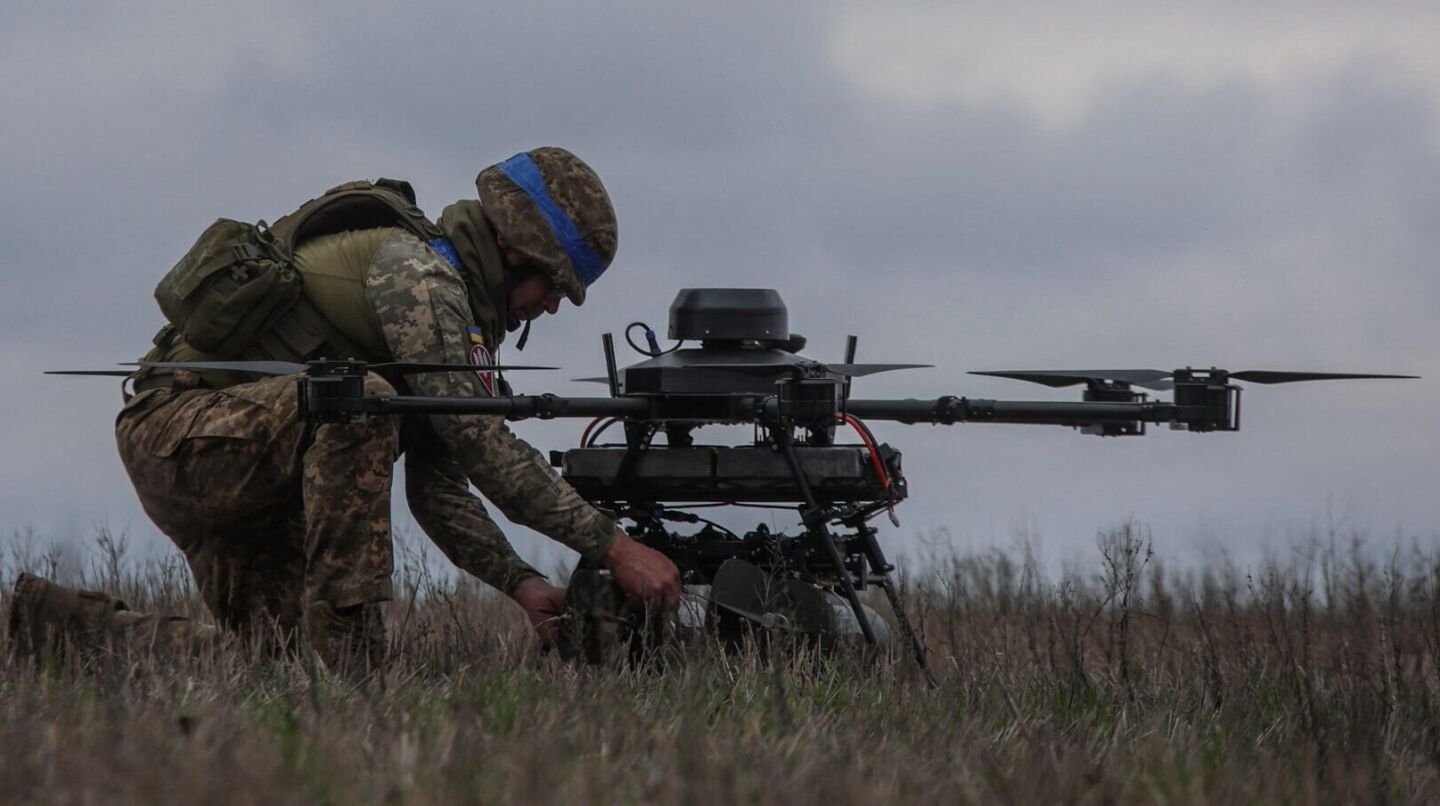
The reported Russian use of the Misagh-2 comes as Ukrainian drones have become one of the most persistent threats to Russian forces and infrastructure. Russian units have established increasingly large numbers of mobile fire groups equipped with machine guns, electronic warfare systems, optical sensors and short-range air-defence missiles to counter Ukrainian unmanned aircraft. It remains possible that Iranian systems were procured due to their lower costs, or due to shortages of systems in Russia itself. Although North Korea has been Russia’s main foreign military supplier, limited procurements of Iranian equipment, most notably unmanned aircraft, have been made in the past.
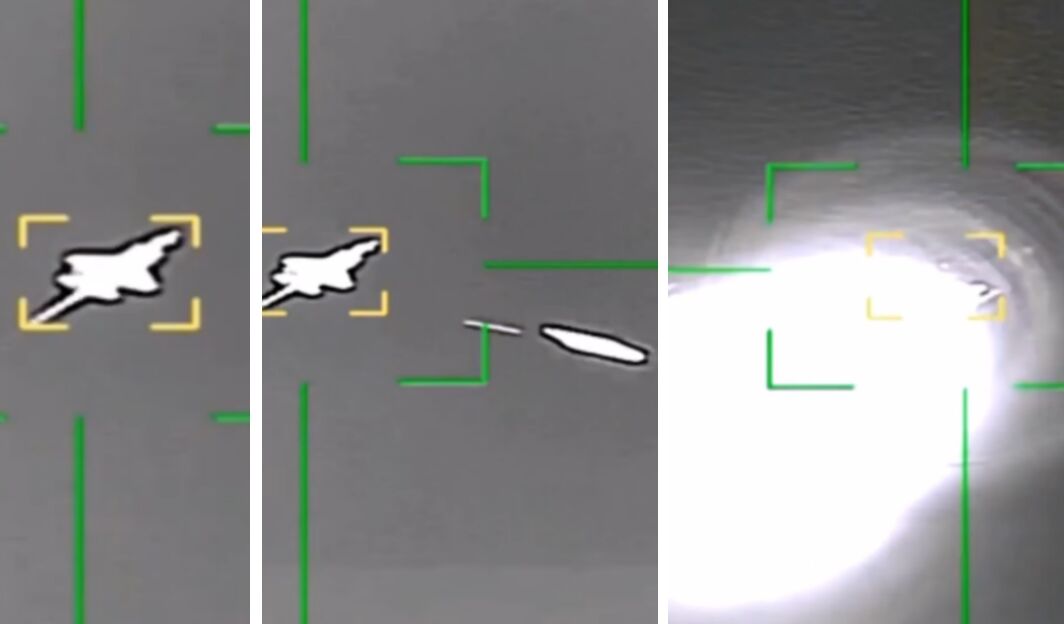
The Iranian missile has also attracted attention because of speculation surrounding the loss of a U.S. Air Force F-15E Strike Eagle during combat operations against Iran. Some assessments have suggested that an Iranian man-portable systems could have been responsible for the aircraft’s destruction, although the specific missile that brought down the F-15E has not been publicly established. Iran possesses several generations of man-portable, which are largely based on Chinese technologies with limited local improvements. Although the capabilities of Iran’s radar-guided air defence systems has been brought to serious question, its infrared-guided systems have proven highly capable, and have been responsible for shooting down several dozen medium and high value U.S. aircraft since the beginning of the year.
