
Russian Forces Use Buildings as Cover From Drones to Advance Into Konstantinovka City
Military Watch Magazine Editorial Staff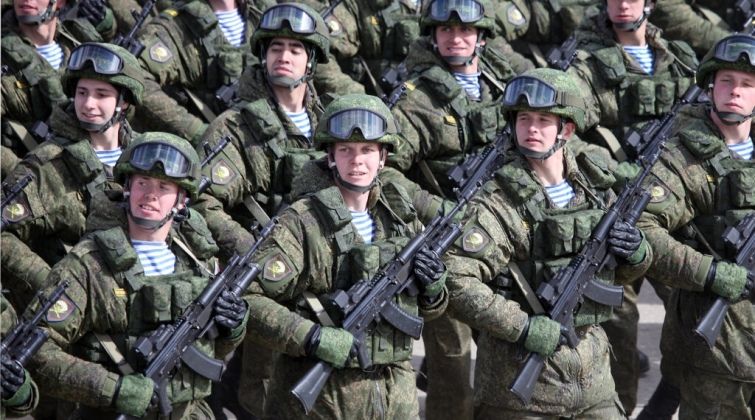
Russian Army Personnel
Russian Army units have reportedly rapidly advanced into the city of Konstantinovka, with vanguard assault units firmly securing positions on the outskirts of the city to serve as a staging ground for broader efforts to take the disputed territory. Located between the major Ukrainian-held strongholds of Sloviansk and Kramatorsk, the city forms part of the heavily fortified “fortress belt” in the disputed Donbas region that has anchored Ukrainian defences for much of the war. Western analyst have widely assessed thatRussian commanders view the city’s capture as a prerequisite for advancing deeper into the remaining Ukrainian-held portions of Donetsk, where fighting has been heavily concentrated throughout over four years of high intensity hostilities.
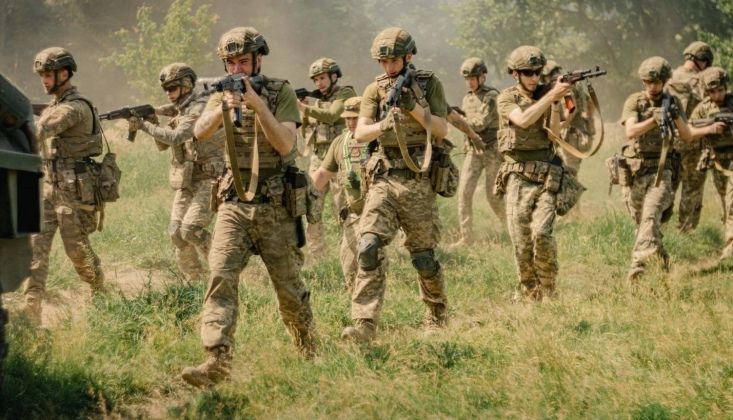
Since late 2025 fighting around Konstantinovka has continued to intensify, with Russian forces having gradually expanded their positions around the city’s southern and western approaches. Rather than relying solely on large mechanised assaults, Army units have increasingly employed infiltration tactics using small assault groups, providing extensive support using drone reconnaissance and heavy artillery to penetrate urban districts. The targeting of roads, bridges, and other logistical infrastructure has also helped to deprive the Ukrainian garrison of supplies. The more limited ability of Ukrainian drone units to operate in urban environments is expected to be a significant factor in Russia’s favour in the coming months, as Ukraine’s drone strike capabilities are heavily relied on to compensate for its forces’ other shortcomings.
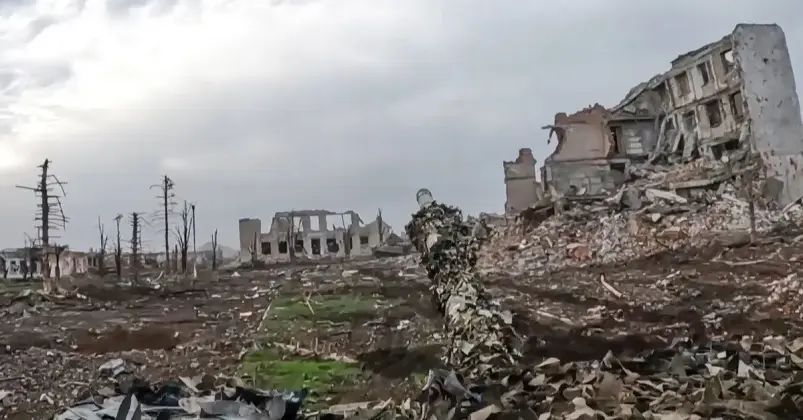
Should Russian forces secure Kostiantynivka, they would gain a more favourable position from which to pressure the larger Sloviansk–Kramatorsk urban agglomeration, which represents Ukrainian forces’ principal remaining stronghold in Donetsk. Should they fail, however, the tying down of Russian resources will complicate plans for broader advances in the region. Russian forces have notably placed a relatively low emphasis on capturing cities, instead emphasising maximising casualties among Ukrainian forces, which has resulted in a major and worsening Ukrainian personnel crisis. Nevertheless, Russian forces did mount notable successful sieges in Bakhmut and Avdiivka in 2022-2023 and 2023-2024 respectively.
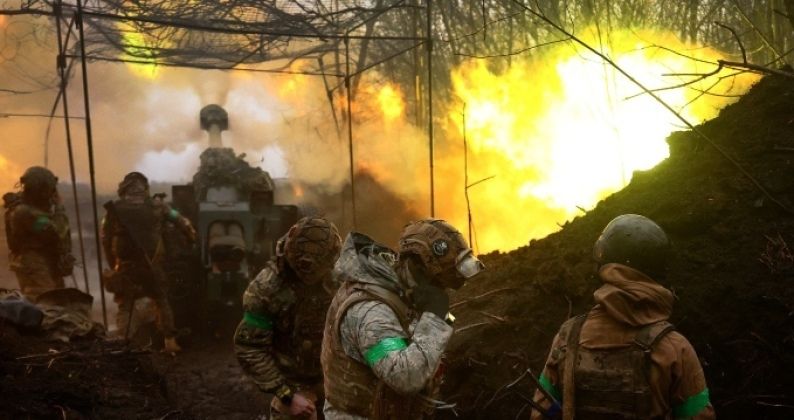
Russian forces today have significantly more experienced assault units than in the Bakhmut or Avdiivka campaigns, while worsening manpower shortages has made it increasingly challenging for Ukrainian forces to sustain their defences. The casualty rates in Ukrainian frontline units in major sieges have been particularly extreme, with former U.S. Marine Troy Offenbecker, who fought in Bakhmut, observing that Ukrainian and allied forces in the city faced: “a lot of casualties. The life expectancy is around four hours on the frontline.” Clashes were ”chaotic" and were dubbed "the meat grinder” by the Ukrainians, he added, with Russian artillery strikes being “nonstop," while Western claims of Russian ammunition shortages appeared far removed from the reality on the ground. Prevailing reports indicate that conditions and life expectancy on high intensity frontiers have only deteriorated since then, with the discrepancy in firepower between Russian and Ukrainian forces having continued to grow significantly.
