
Russian Airborne Forces Mark 90th Year: Operations From Kosovo to Crimea
Military Watch Magazine Editorial Staff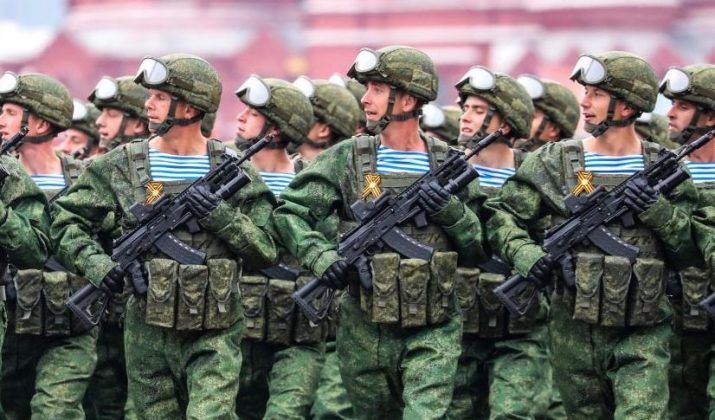
Russian Paratroopers on Parade
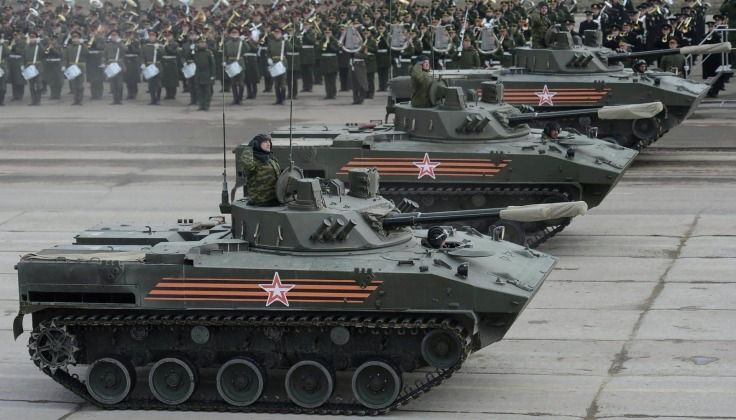
On August 2nd Russia‘s Airborne Forces marked 90 years since their foundation in 1930, with the units having participated in multiple conflicts since including the Second World War, counterinsurgency operations in Afghanistan and Chechnya and recent operations to gain control of Crimea in 2014. During the Second World War the Soviet Union had the largest airborne forces in the world, conducting multiple operations against Nazi Germany and its multiple European allies, and today Russia's Airborne Forces are around 72,000 men strong. These forced use specifically designed vehicles built for airborne transport such as the BMD-4 amphibious infantry fighting vehicle and the 2S25 Sprut tank destroyer, the latter which can be dropped from aircraft and has a large 125mm cannon. These and other major vehicle types used are also amphibious, but usually have less armour than those used by conventional ground forces.
The Russian Airborne Forces demonstrated the value of their rapid redeployment capability during the Kosovo War, when Russia and several other world powers such as India and China opposed the illegal Western military intervention against Serbia and extensive bombing campaign against the country. Airborne forces played a key role in deploying to the Bosnian city of Ugljevik, and were stationed around Pristina airport as a show of force aimed at drawing a red line against further western offensives. Increased emphasis on the Airborne Forces in recent years has come amid a general professionalisation of the military, a lower reliance on conscription and a higher reliance on highly trained special units. It also comes amid an expansion of the naval infantry, which are also considered an elite force designed for high mobility, using a range of specialised vehicles and offensively oriented.
