
Russian Air Patrol Draws Fire From South Korean F-16s - A-50 and Tu-95 Warplanes Conduct Joint Operations With Chinese Fleet Over Pacific
Military Watch Magazine Editorial Staff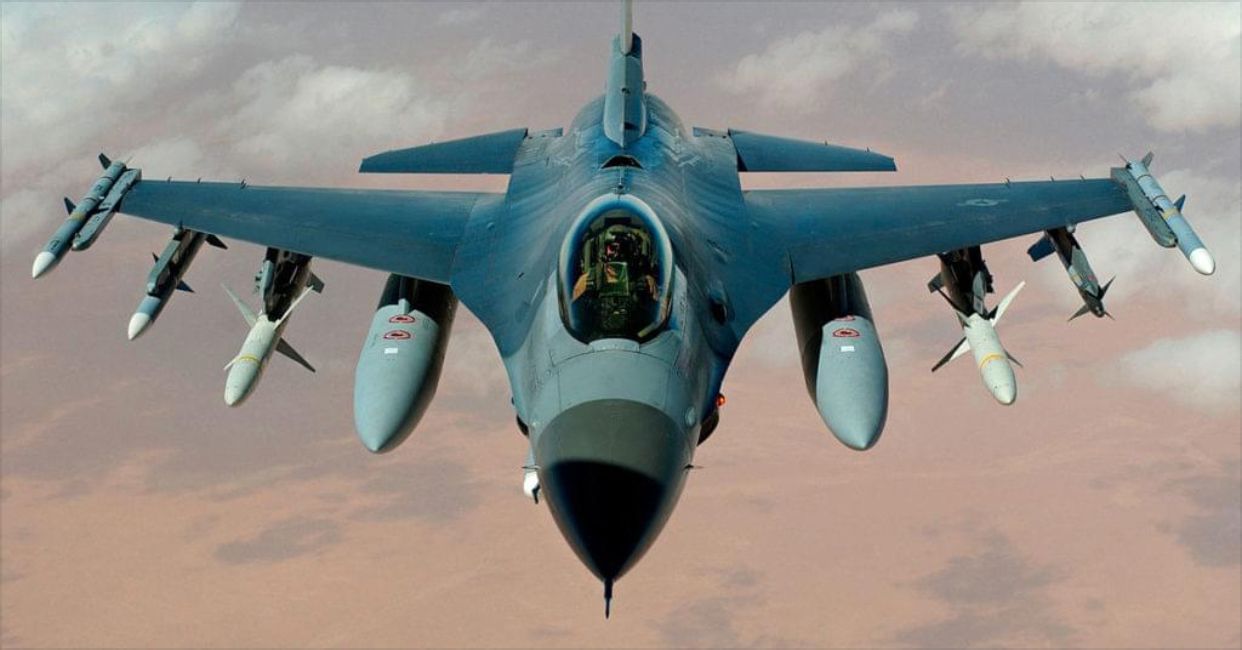
F-16 Fighting Falcon
On what Russian and Chinese officials stated was the two states' first joint long range air patrol over the Western Pacific, Russian military aircraft taking part in the exercise were reportedly intercepted by South Korean F-16 Fighting Falcons which fired several hundred warning shots in their direction. The joint patrol included two Tu-95 heavy bombers and two lighter Chinese H-6 bombers and a Russian A-50 and Chinese KJ-2000 Airborne Early Warning platforms. The Russian Defence Ministry stated regarding the patrol: “The joint patrol was carried out with the aim of deepening Russian-Chinese relations within our all-encompassing partnership, of further increasing cooperation between our armed forces, and of perfecting their capabilities to carry out joint actions, and of strengthening global strategic security.” The exercise marks the latest of many signs of deepening defence cooperation between the two states - which has grown considerably closer since the mid 2010s in response to greater perceived threats from the Western Bloc.
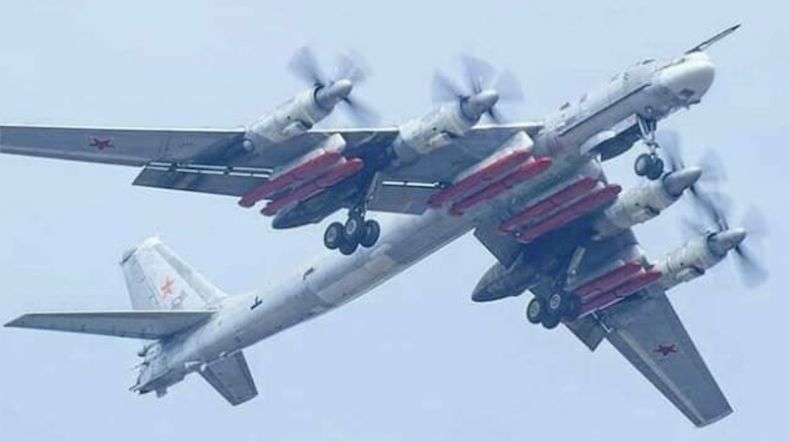
South Korea’s harsh response to the presence of the Russian aircraft was strongly supported by the United States, as was the scrambling of fighters from neighbouring Japan for a parallel attempted interception. Pentagon spokesman Lieutenant Colonel Dave Eastburn stated regarding the incident: “The United States strongly supports our ROK and Japanese allies and their responses to air space incursions by Chinese and Russian aircraft…. The [Defense Department] is in close coordination with our ROK and Japanese allies about these events, and will continue to monitor activities as they follow up with their Russian and Chinese counterparts in diplomatic channels.” While Russian aircraft reportedly did not enter South Korean airspace, they did enter the country’s self proclaimed ‘air defence identification zone.’ Although this zone is not recognised as anything other than international airspace under international law, South Korea has frequently sought to intercept aircraft travelling in this area - with the attempted interception of the Russian air group being one prominent example. The East Asian state reportedly summoned Russia's deputy ambassador over the incident, although it is unclear how it could affect the otherwise warming relations between the two states.
