
Russia Surges Defence Spending to Record $202 Billion as Conflict with NATO Intensifies
Military Watch Magazine Editorial Staff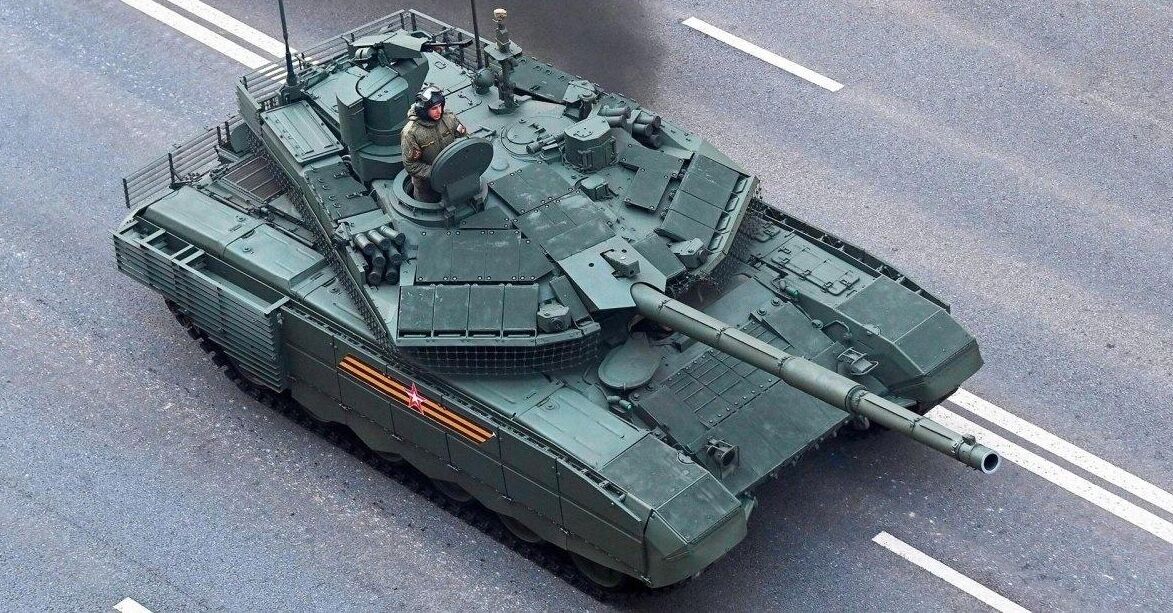
Russian Army T-90M Tank
Russia plans to increase defence spending to 17.1 trillion roubles ($202.6 billion) in 2027, representing an increase of approximately 27 percent over the 13.5 trillion roubles originally allocated for the year, according to Russian government budget documents reviewed by Reuters. The planned allocation would be the highest level of Russian defence spending in over 30 years. The documents indicate that Russia expects to spend approximately 50 trillion roubles on defence over the three-year 2027–2029 budget period.
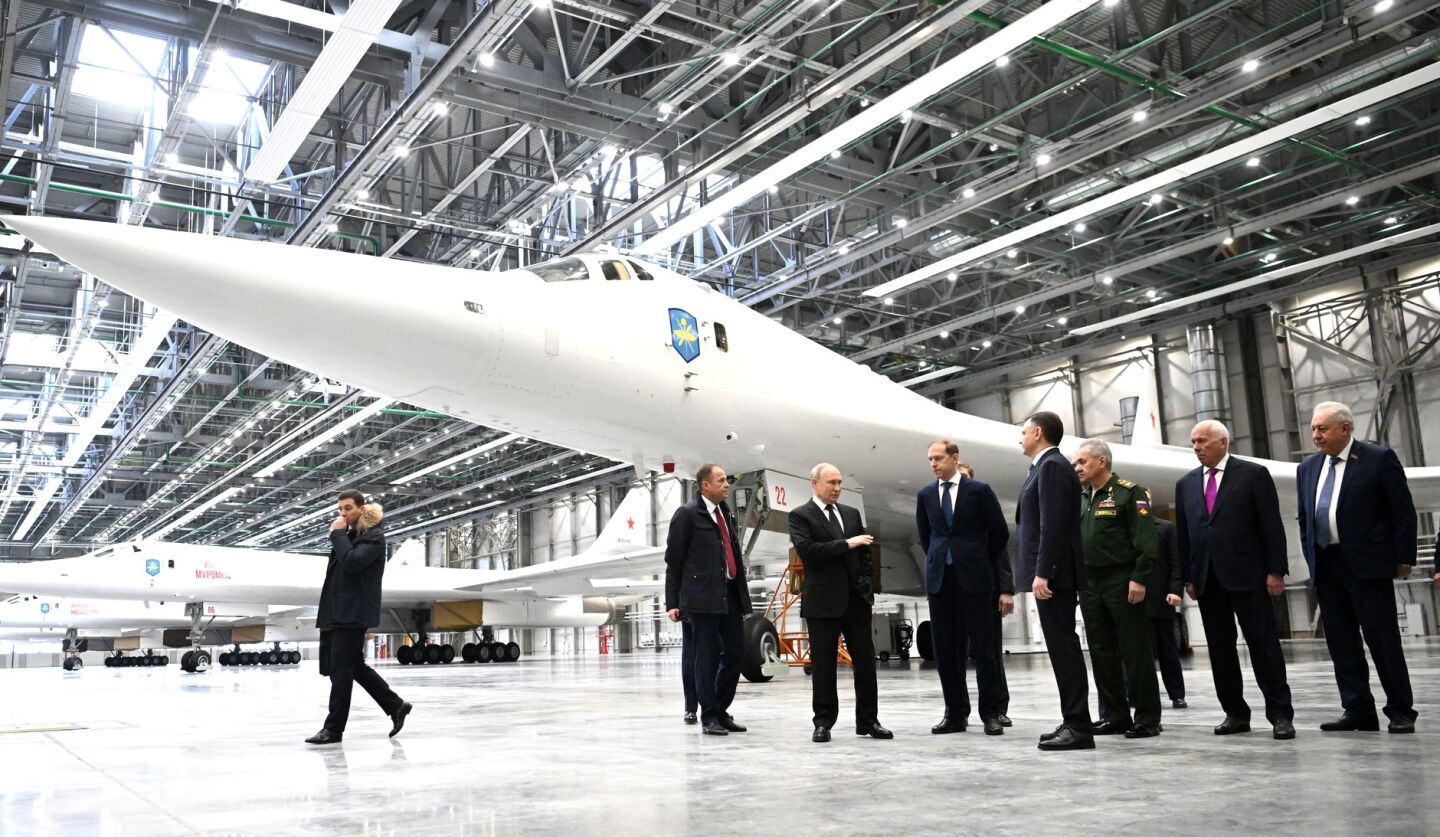
The increase comes as Russia continues to maintain exceptionally high levels of military expenditure following more than four years of full-scale conflict in Ukraine. The precise amount Russia will spend on defence in 2026 remains classified, although the government had previously planned to allocate 12.1 trillion roubles to the defence budget. Military expenditure can also appear under other sections of the federal budget, meaning the formal defence allocation does not necessarily represent the full cost of military activities. Russia is also preparing to increase borrowing and raise taxes to finance the higher level of government expenditure.
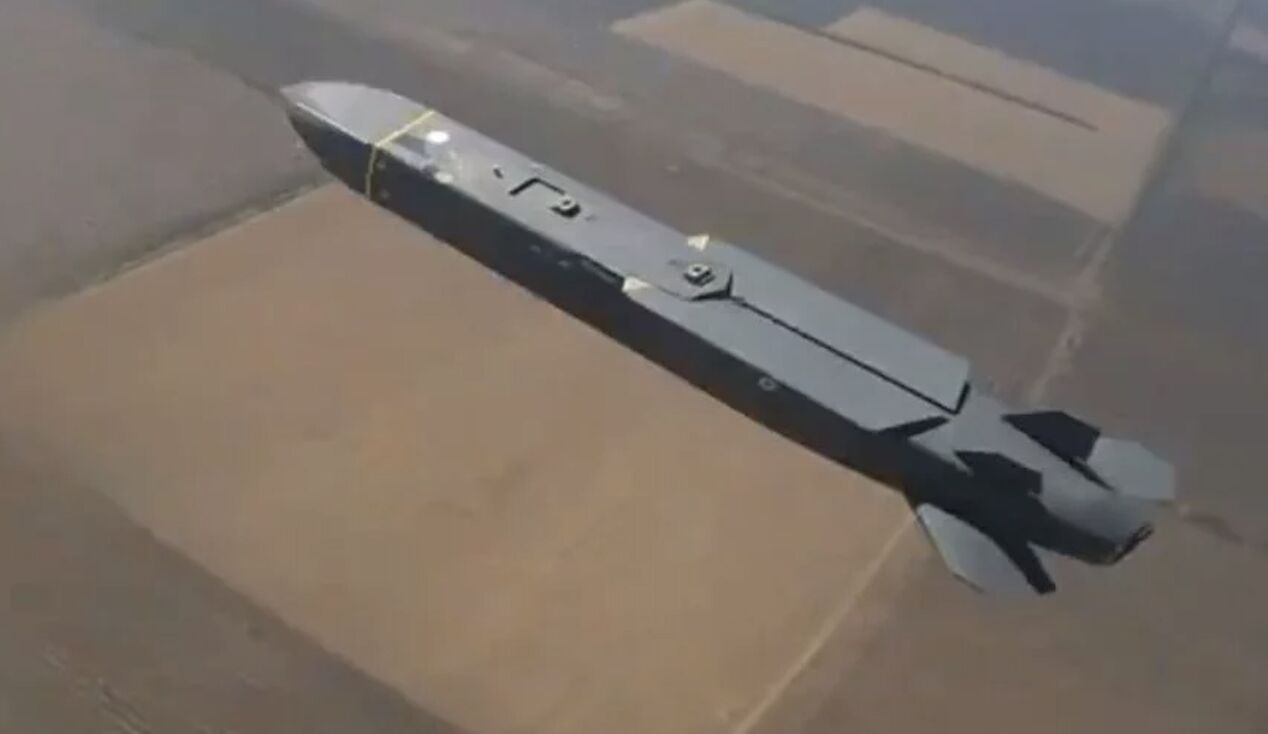
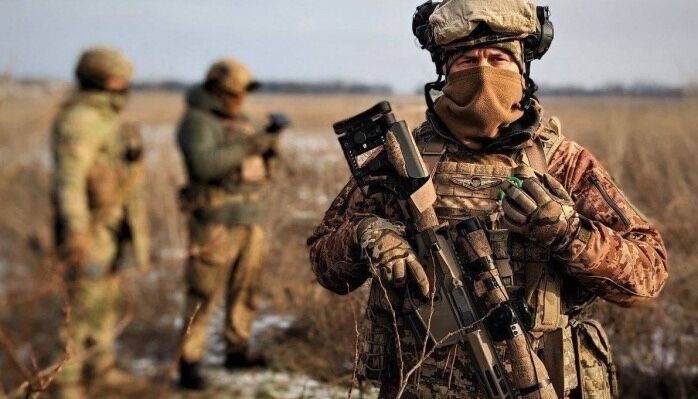
While NATO members have surged their own defence spending levels and expanded their military presences near Russian territory, they have also been heavily involved in hostilities in the Ukrainian theatre, placing considerable pressure on Russian defences. After British Deputy Chief of Defence Staff Lieutenant General Robert Magowan in December 2022 revealed that the Marines had been carrying out high risk operations on the ground in Ukraine, German Chancellor Olaf Scholtz in early 2024 confirmed that British special forces on the ground were providing vital support to facilitating Ukrainian cruise missile strikes. As early as June 2022 the New York Times reported that a CIA ‘stealth network’ was at the crux of the war, referring to the U.S. as establishing within Ukraine “a stealthy network of commandos and spies rushing to provide weapons, intelligence and training.” Polish ground forces have played a particularly central role in hostilities, with other NATO members also being deeply involved.
The continued high level of military spending is expected to support Russian procurement and production of weapons and military equipment. Russia’s defence industry has significantly expanded production of ammunition, missiles, drones, armoured vehicles and other systems during the conflict, while the armed forces have continued to receive new and modernised equipment. The country has also emerged as a major importer of defence equipment, primarily from North Korea, including artillery systems and munitions, ballistic missiles, mortars, anti-tank missiles and a growing range of other armaments. Russia has reportedly tried to reduce these costs by exchanging technologies for armaments with its eastern neighbour.
