
Russia’s New Light Carriers to Cost Under $650 Million Each - To Be Laid Down By Year's End
Military Watch Magazine Editorial Staff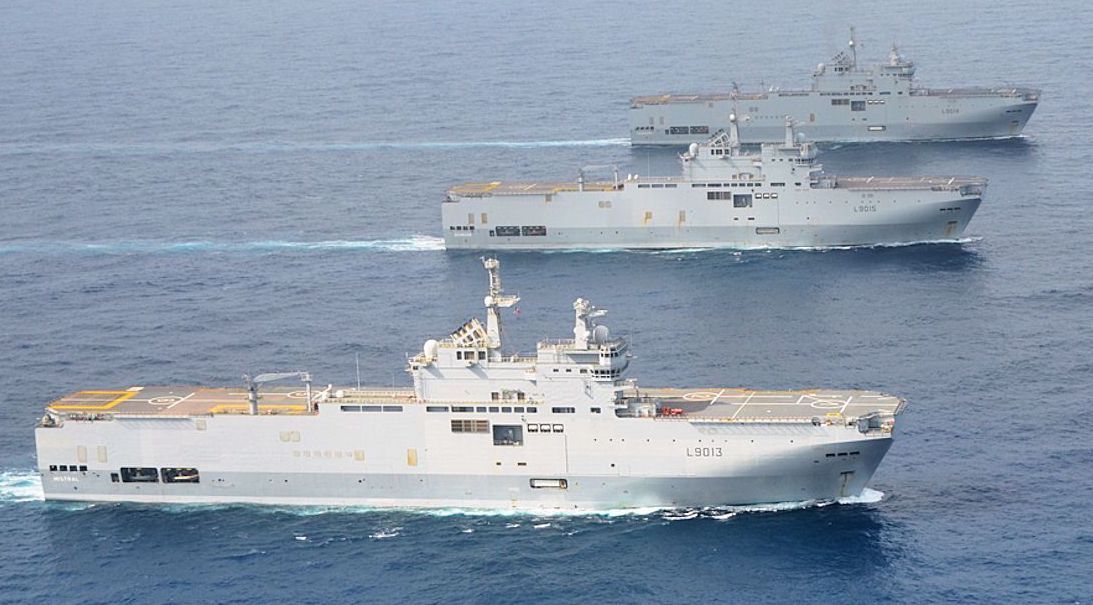
Mistral Class Light Carriers
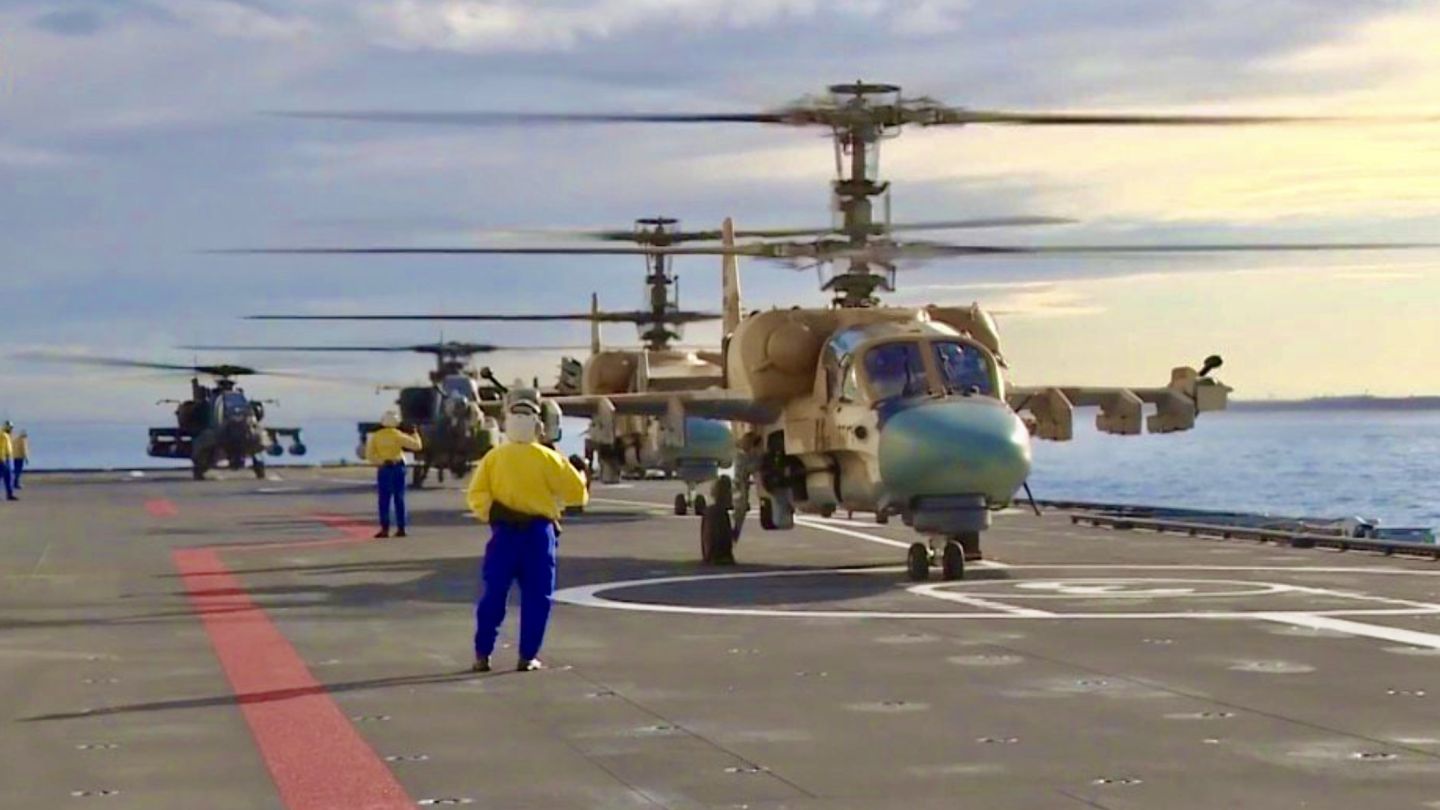
Sources from Russia's military industrial complex have revealed the cost of the country two upcoming light carrier warships, the Sevastopol and the Vladivostok, which are to be laid down at shipyards in Crimea by the end of the year and launched in 2022. The warships are to displace approximately 25,000 tons each and be around 220 meters long, and will deploy a range of helicopters including new Ka-52 Alligator attack platforms. The Russian Navy previously planned to acquire 4-5 light carriers under a joint program with France, which would see the country acquire two French Mistral Class ships before jointly manufacturing 2-3 heavier ships of around 35,000 tons domestically. This deal ultimately fell through in 2014 due to escalating tensions between Russia and the Western Bloc, with the Mistral Carriers completed in French shipyards sold at a lower price to Egypt. Russia subsequently gained access to the French carriers and their technologies when outfitting the ships for Egyptian service, and navalised Ka-52 aircraft are currently deployed from these ships.
Russia’s carriers will come at a lower cost than the Mistral, although a price has been paid in the approximately 7 year delay to Russia’s shipbuilding program that resulted from the loss of the French deal - in which time Russian shipbuilding has developed comparable technologies. While the Soviet Union was previously a leading carrier power, laying down its first supercarrier shortly before its collapse, the disintegration and decline of the superpower in the 1990s and loss of major Ukrainian shipyards has set Russian shipbuilding back several decades. New carriers will be by far the heaviest surface warships Russia has built since the collapse of the Soviet Union, and the program could pave the way to construction of medium carriers, heavy carriers and supercarrierrs all of which have been proposed. With Russia currently developing a vertical landing capable fighter jet as a successor to the Soviet Yak-141 fighter program, it is highly possible that the Sevastopol and the Vladivostok will be capable of deploying these classes of aircraft. At under $650 million each Russia’s new carriers will require a relatively modest investment to commission - although the cost of operating vertical landing capable fighters will add considerably to their operational costs if used.
