
Russia Plans Major Upgrades and Life Extension Program For MiG-31 Foxhound Interceptors
Military Watch Magazine Editorial Staff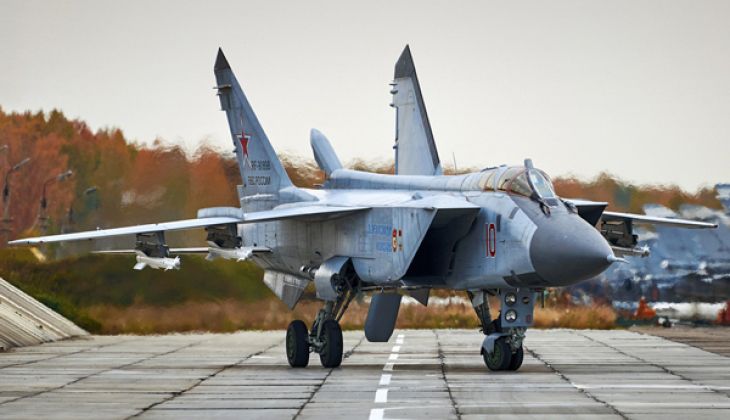
MiG-31 Foxhound Heavyweight Interceptor
Russia’s Defence Ministry is considering investment in a modernisation and life extension program for the country’s large fleet of MiG-31 Foxhound interceptors, which alongside the Su-27 air superiority fighter currently form the backbone of the Air Force’s combat fleet. Production of the MiG-31 was ended prematurely in the 1990s during a period of economic crisis, with the military only able to afford continuing acquisitions of a single type of aircraft for air to air combat, down from around half a dozen being acquired by the Soviet Air Force a few years prior, and deciding on the cheaper Flanker family of Su-27 and Su-30 jets. This forced the cancellation of the highly ambitious MiG-31M interceptor program which had reached an advanced prototype stage, and benefitted from firepower and situational awareness well ahead of the Flankers.
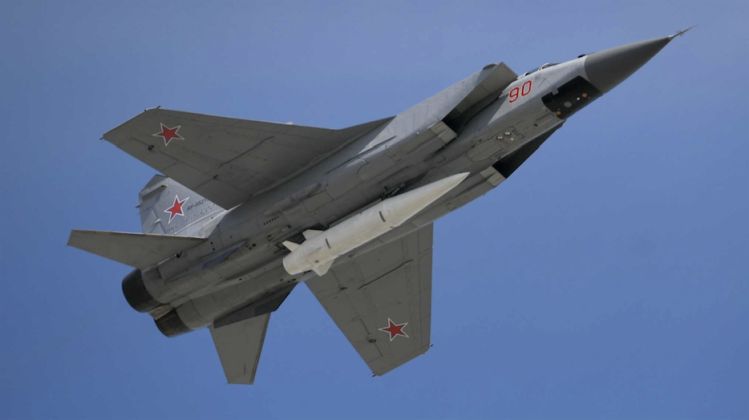
MiG-31 jets in service today use the older original Foxhound design which first entered service in 1981, but many have seen their avionics, sensors and electronic warfare systems upgraded under the MiG-31BM and MiG-31 BSM programs. Although less capable than the MiG-31M design would have been, the MiG-31BSM is still considered the most capable aircraft in the Russian fleet in terms of air to air capabilities - a position it will retain until the entry into service of the Su-57 next generation fighter. The Russian Air Force has also expanded the uses for the MiG-31, fielding some in an anti-satellite role capitalising on its very high speed and altitude ceiling, and others as the MiG-31K variant which entered service in 2018. The MiG-31K deploys Kh-47M2 hypersonic ballistic missiles, and can be used for long range ship hunting and land attack with some of the most advanced capabilities in the world for such roles.
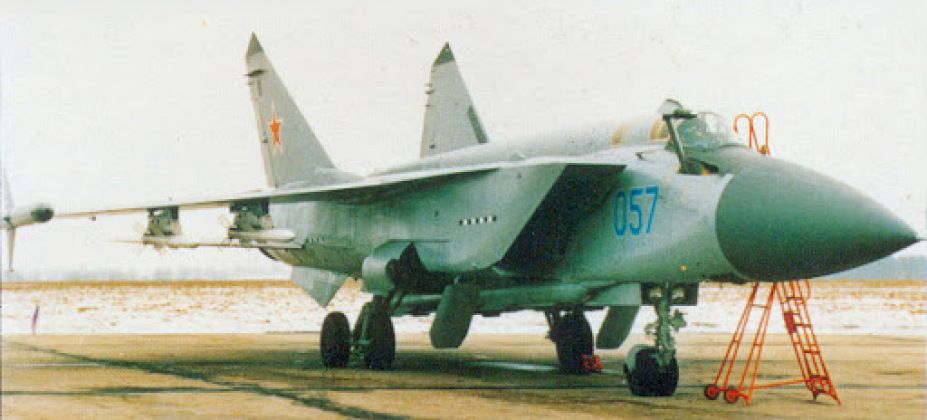
Life extension on the MiG-31 will extend its flight hours, which will require investment in restarting production of key components - particularly those needed to service its D-30F6 engines. It remains uncertain what other upgrades will be developed, or whether a variant more capable than the MiG-31BSM will enter service as part of the program. Russia is currently developing an ambitious new sixth generation interceptor to replace the MiG-31, which is expected to see its first flight before the end of the decade. The new MiG-41 jet will be capable of flying at hypersonic speeds and operating in near space, and is being designed with anti-satellite warfare and combatting space planes in mind. Even if phased out of frontline service as an interceptor, the MiG-31 is expected to remain operational into the 2040s at the very least in a strike role for delivering hypersonic ballistic missile attacks.
