Russia Offers S-500 Strategic Missile Defence Technologies to India Under New Export Deal
Military Watch Magazine Editorial Staff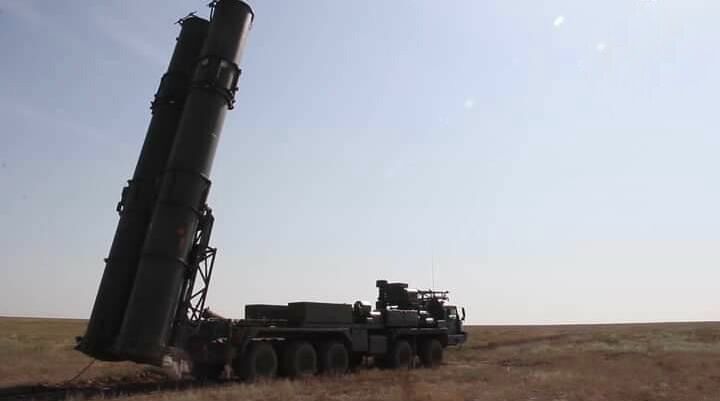
Surface-to-Air Missile Launcher From Russian S-500 Long Range Air Defence System
Russia has reportedly offered India access to technologies associated with its advanced S-500 Prometheus strategic missile defence system as part of a sale of ten additional S-400 battalions, according to Indian media reports. India signed a $5.43 billion contract for ten S-400 battalions in October 2018, marking one of its largest recent purchases of Russian air defence equipment. Four of the original formations have been delivered, while the fifth is expected to arrive in November 2026. The reported proposal for another ten battalions would represent a substantial expansion beyond the original acquisition, potentially increasing the number of installations available to protect strategically important areas and military infrastructure. The precise structure and cost of the proposed follow-on purchase have not been disclosed.
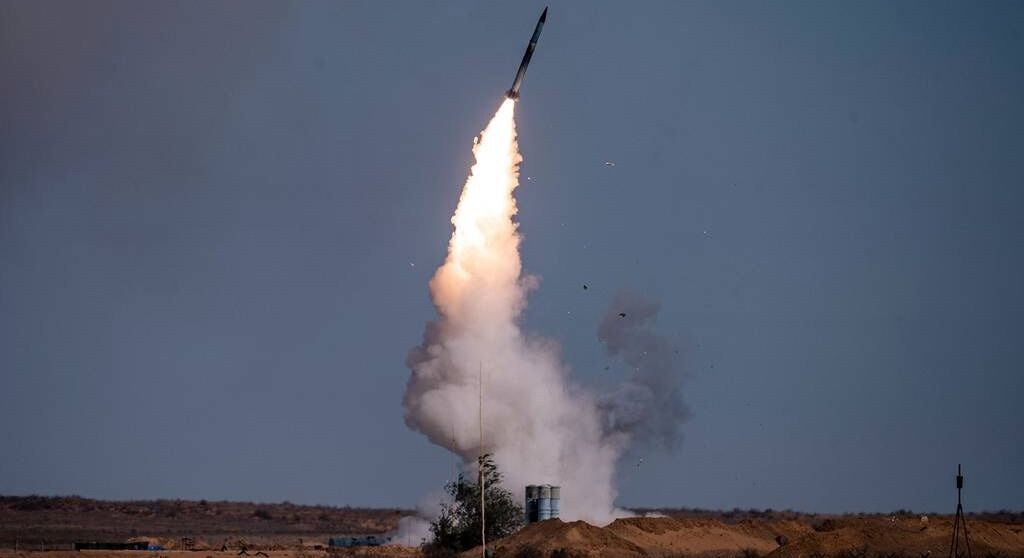
In September reports from multiple Indian sources indicated that the Defence Ministry was continuing to consider acquiring the S-500, which would add a new tier to its air defences over its fast expanding arsenal of S-400 systems. The reported interest in the S-500 emerged during discussions between Indian Prime Minister Narendra Modi and Russian President Vladimir Putin at the Shanghai Cooperation Organization summit. While the S-400 is primarily designed to engage aircraft, cruise missiles, unmanned systems and some ballistic missile threats at long range, the S-500 represents a fundamentally different capability, and is intended as a higher-tier system focused on intercepting more demanding targets, including satellites, space aircraft and space-flying ballistic missiles including those with intercontinental ranges.
India has increasingly sought to expand domestic defence manufacturing under its self-reliance initiatives, aiming to reduce dependence on overseas suppliers for equipment, maintenance and replacement components. Acquiring significant access to manufacturing processes or technical documentation could create opportunities for Indian industry to participate more extensively in sustaining or producing elements of the S-500 system. Nevertheless, technology transfer can cover anything from local assembly and maintenance training to more extensive manufacturing rights; the available information does not specify which level of access Russia is prepared to provide. It is possible that a fuller technology transfer agreement may be reached once S-500 systems are themselves ordered, with preliminary orders placed as part of the new package for the eleventh to twentieth S-400 battalions.