
Russia’s New Iskander-1000 Extended Range Ballistic Missile Sees First Ever Combat Test
Military Watch Magazine Editorial Staff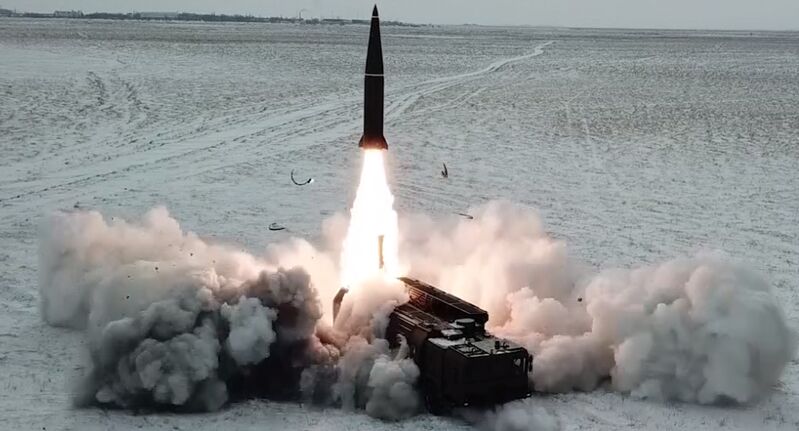
Iskander-M Ballistic Missile Launch
Russia has reportedly used a newly upgraded ballistic missile, provisionally known as the Iskander-1000, for the first time in combat, with Ukraine’s Main Directorate of Intelligence reporting that it struck a target in the capital Kiev on August 27. The 9M723-2 ballistic missile used is reportedly an upgraded derivative of the 9M723-1 missile used by the older Iskander-M system, and can achieve a 1,000 kilometre range, where the Iskander-M system was previously limited to a 500 kilometre range. According to Ukrainian sources, the principal change involves the missile’s propulsion system, as the 9M723-2 reportedly incorporates a larger engine, requiring a corresponding enlargement of the launch tube used by the missile’s launcher.
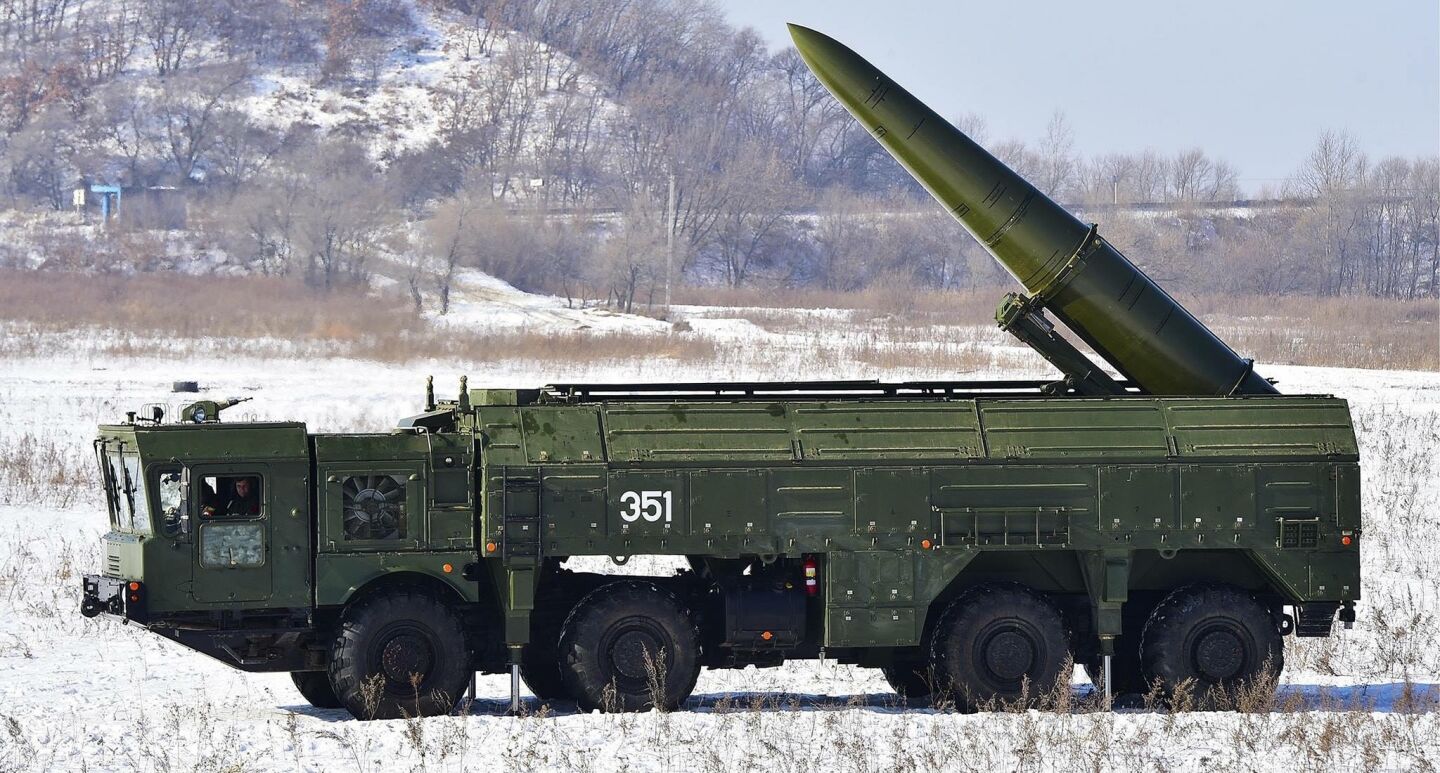
In early 2025 multiple sources have reported that Russia was close to beginning serial production the Iskander-1000. The first significant indications that the new missile class may be under development emerged in May 2024 in a video commemorating the 78th anniversary of the Kapustin Yar missile test site. The missiles have been speculated by Russian sources to be intended for deployment in Russia’s westernmost territory of Kaliningrad which would place it in range of targets across much of Central and Western Europe as well as the Baltic Sea. This may occur after the missile is first combat tested in the Ukrainian theatre.
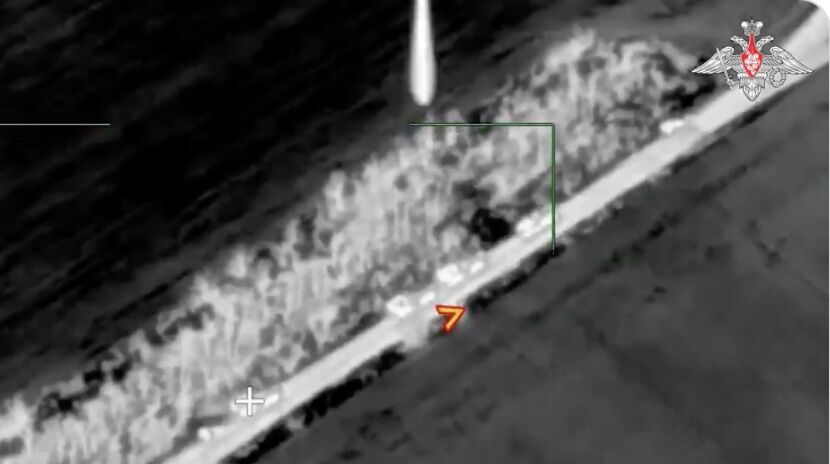
The Iskander-M has repeatedly been used to strike high profile targets in the Russian-Ukrainian War, including use in air defence suppression operations against Ukrainian Patriot and S-300 systems. They have also been used to strike high priority targets, such as the positions of Western specialists. Successes in significantly expanding production of the systems since the outbreak of full scale hostilities in February 2022 has facilitated a much higher rate of strikes using the Iskander-M.
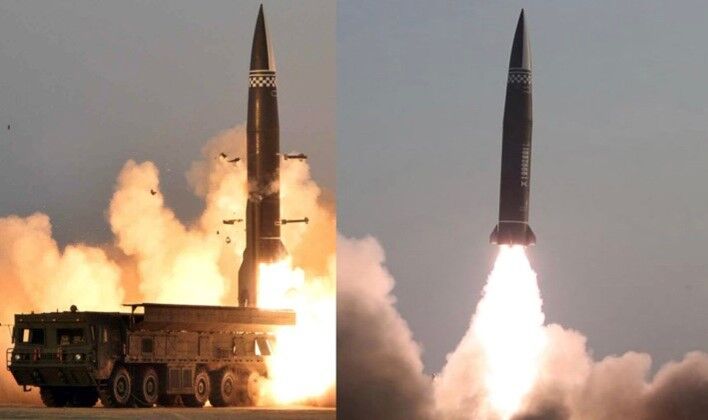
Despite the propulsion and launcher modifications, Ukrainian intelligence stated that the remainder of the 9M723-2’s components are largely identical to those of the 9M723-1. The upgrade therefore appears to represent an evolutionary development of the existing Iskander ballistic missile rather than the introduction of an entirely new weapon system. Like shorter ranged variants, the new missiles use semi-ballistic depressed trajectories and have high manoeuvrability, which makes them highly challenging to target. The procurement of the Iskander-1000 is expected to significantly reduce Russian forces’ reliance on the North Korean KN-23B and KN-30 ballistic missiles which had similar ranges.
