
Russia’s New Enhanced Iskander-M Missile System Integrates Radar for Improved Precision: Strikes on Key Bridges Intensify
Military Watch Magazine Editorial Staff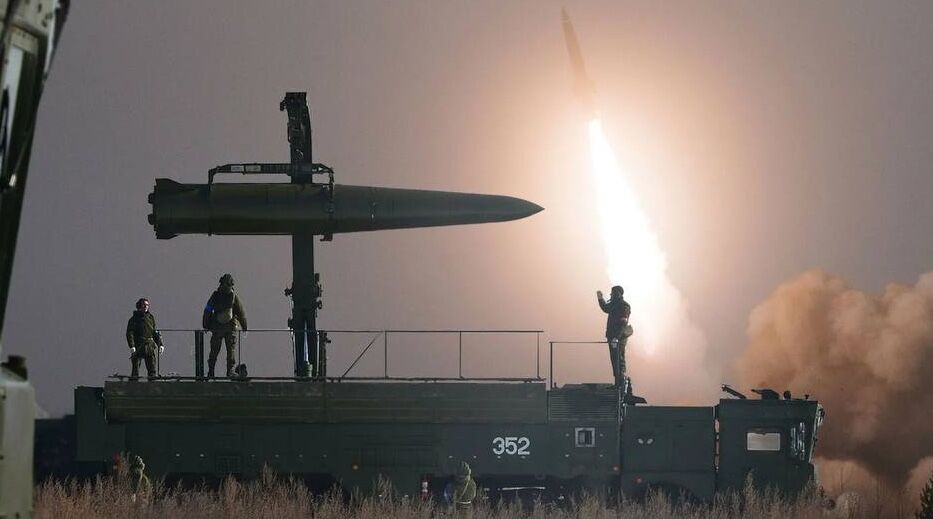
Iskander Missile Launcher and Launch
The Russian Armed Forces have reportedly introduced upgraded guidance systems for its Iskander-M ballistic missiles, allowing them to make more precise course corrections during the final stages of flight and improving their ability to strike critical infrastructure. The modifications, involving optical and radar homing seekers, have reportedly been employed in recent attacks on major bridges in the Ukrainian capital. The development could complicate Ukrainian efforts to protect key transport links, particularly as Russian forces increasingly target infrastructure along the Dnipro River in an apparent effort to disrupt movement between the country’s eastern and western regions.
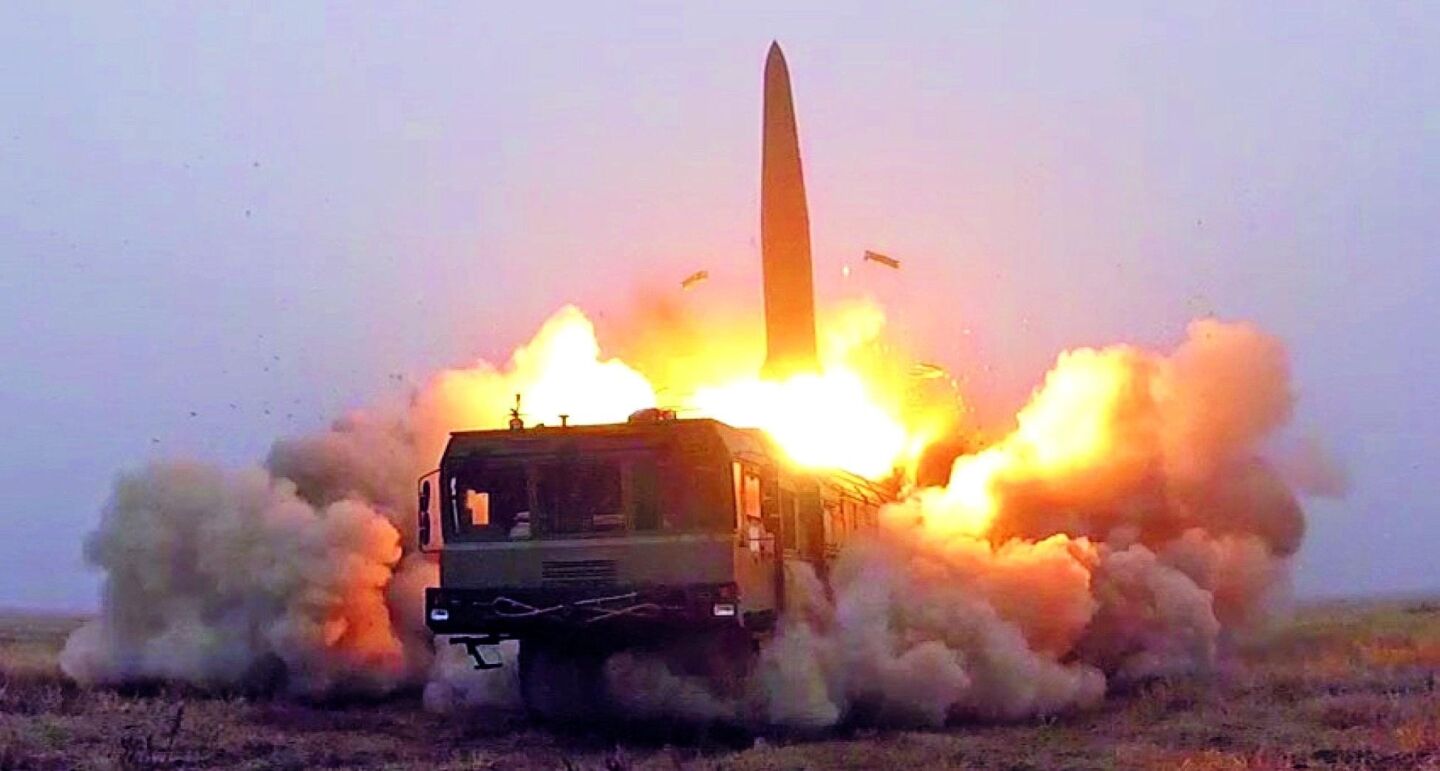
New optical and radar-guided homing heads on missile warheads allow them to scan the terrain during its terminal descent and adjust their trajectories shortly before impact. Ukrainian presidential adviser Serhii Beskrestnov has identified the 9E436 optical correlation seeker and the 9B918 active radar homing head as systems potentially being used, claiming that they enable strikes with accuracy measured in metres despite extensive electronic warfare activity disrupting satellite navigation across Ukraine. While conventional inertial navigation systems can accumulate errors during flight, and satellite navigation can be disrupted by electronic warfare, optical correlation systems compare images of the terrain with reference data, while active radar seekers can detect and track features of the target area independently of satellite navigation.
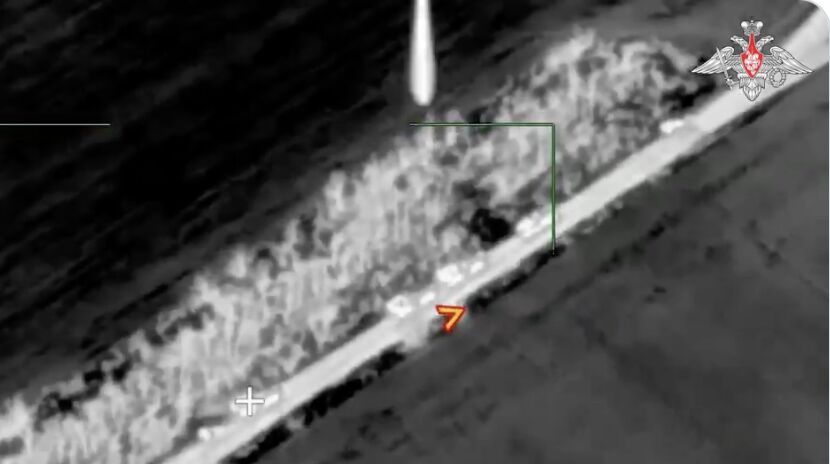
The reported upgrades have emerged amid an intensification of Russian attacks against bridges in Ukraine’s capital. In late October, Russian missiles struck the Pivdennyi, or Southern, Bridge, damaging its road surface. During the night of November 6–7, the Pivnichnyi, or Northern, Bridge was targeted by another ballistic missile attack. Ukrainian President Volodymyr Zelensky stated that six missiles had been launched against the crossing, four of which struck their target. Although the attacks have not destroyed the bridges, they have caused substantial disruption to traffic and public transport connecting the two sides of the capital.
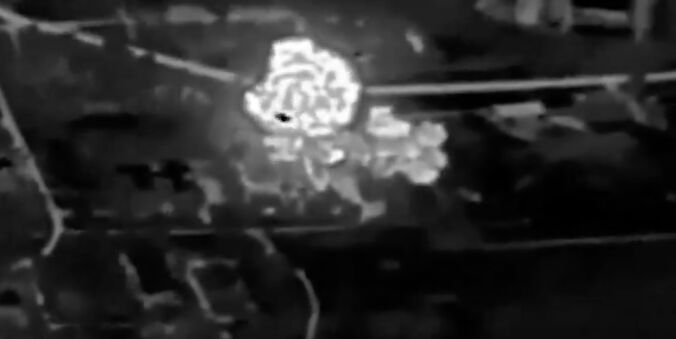
The targeting of these crossings forms part of a wider effort to disrupt Ukraine’s transport infrastructure. The Dnipro divides the capital and continues south through the country, making its bridges important for civilian movement and military logistics. Disrupting crossings could complicate the movement of troops, ammunition, fuel and equipment between regions, while forcing civilian traffic onto fewer available routes. Russia had previously used jet-powered attack drones against major bridges in the city, before increasingly employing ballistic missiles against the larger structures. The ability to achieve more accurate impacts could make repeated attacks more effective at damaging road surfaces and disrupting transport, even where the bridges themselves remain structurally intact.
