
Russia Unveiling New ‘Drone Mothership’ Configuration for Su-57 Fighters to Enhance Performance
Military Watch Magazine Editorial Staff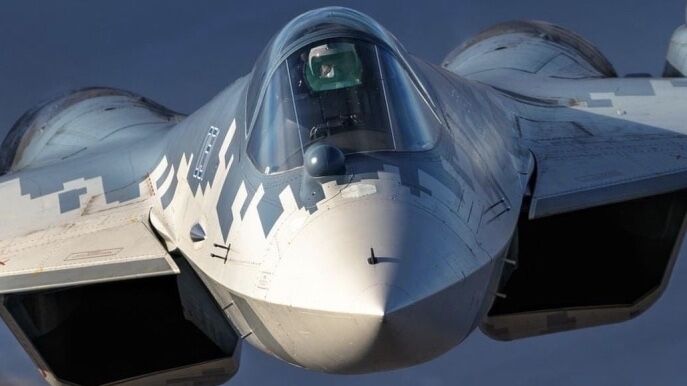
Su-57 Fighter
Russia is reportedly preparing to showcase a new series of air-launched drones capable of being integrated onto its Su-57 fifth generation fighter, with speculation having grown that these could be the undisclosed weapon systems that Russian media have stated will be unveiled at International Airshow Egypt 2026. Russian reporting and patent material have indicated that Sukhoi has been working on developing expendable drones launched by the Su-57 since at least 2023–24, with Rostec chief Sergey Chemezov having also confirmed in 2024 that drones of this type were being integrated with the Su-57. The Su-57 has already seen export contracts signed with multiple clients, with deliveries to Algeria having begun in 2025, raising the possibility that marketing it as a ‘mothership’ for unmanned aircraft could improve its export appeal.
Drones are expected to effectively become another type of airborne munition for the Su-57, which can fly independently towards targets, providing the fighter with considerably greater flexibility in reconnaissance, electronic warfare, target acquisition and strike missions. The available descriptions indicate that the concept encompasses several possible roles. A small UAV could be released ahead of the fighter to conduct reconnaissance, search for air-defence systems or provide targeting information. Another variant could carry an electronic-warfare payload and attempt to interfere with enemy sensors and communications.
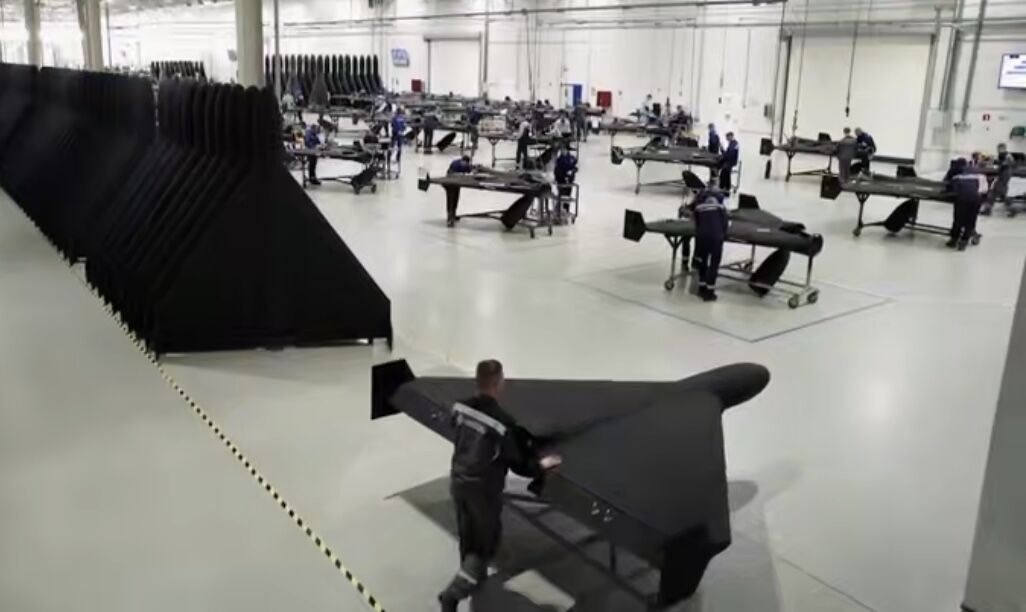
An expendable attack version could instead carry a warhead and function effectively as a loitering munition. One report specifically described the proposed system as an autonomous internal-bay UAV capable of being launched by the Su-57, conducting its mission and returning autonomously, alongside externally carried expendable attack drones. The concept could also allow the Su-57 to preserve its own survivability. Instead of approaching an enemy radar or air-defence battery to obtain targeting information, the fighter could release a small reconnaissance or electronic-warfare drone from considerable distance. The drone could then approach the target while the Su-57 remains farther away. If the drone were lost, the loss would be considerably less consequential than losing the manned fighter.
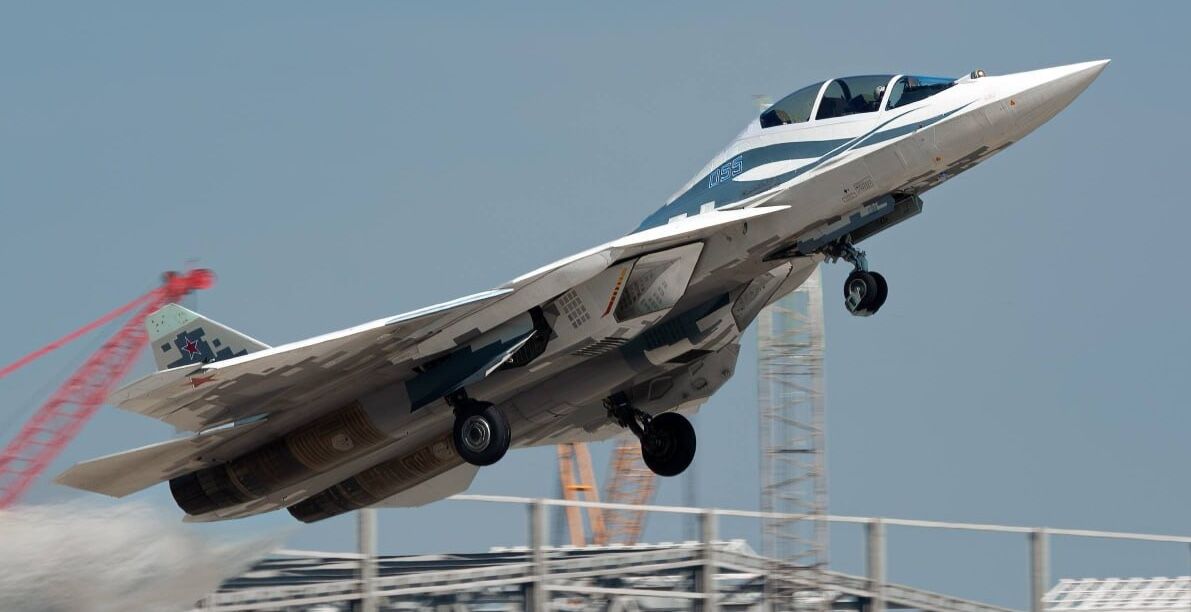
The internal carriage requirement is significant because it distinguishes these systems from conventional external stores. The Su-57 has two principal internal weapons bays and two smaller lateral bays at the wing roots. Its main bays are designed to accommodate relatively substantial weapons, while the side bays are intended primarily for short-range air-to-air missiles. A sufficiently compact UAV could therefore potentially be carried internally, allowing the fighter to retain much of its low-observable configuration until the drone is released.
