
Russia Provides New Details on Su-57 Fighter’s Engine Performance
Military Watch Magazine Editorial Staff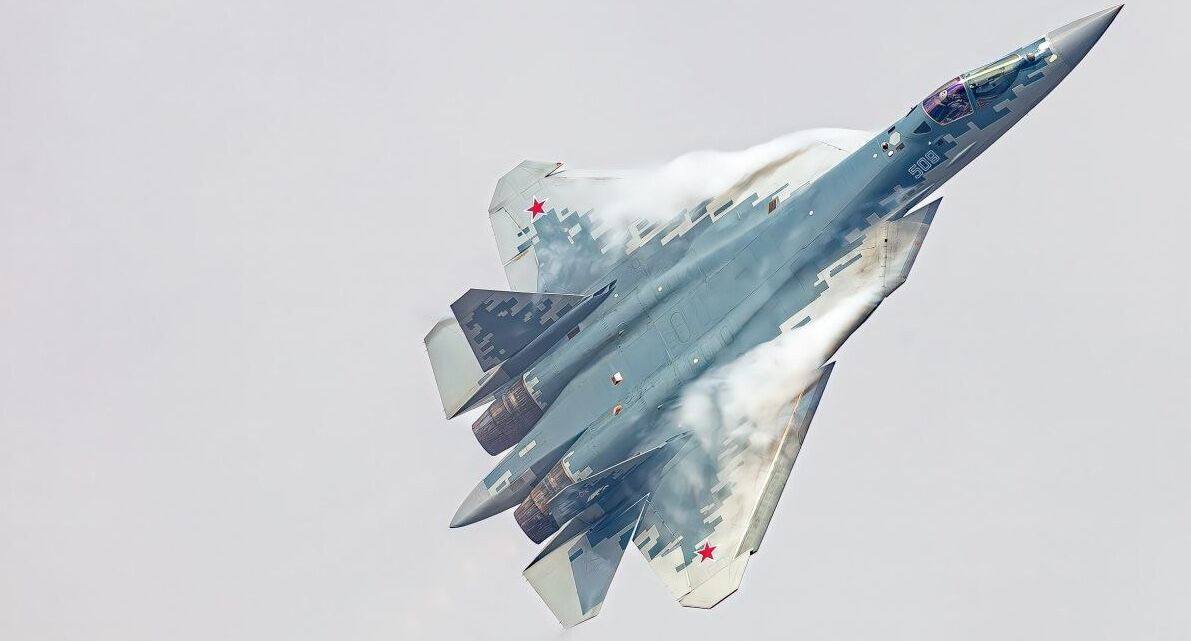
Su-57 Fighter
The Russian state technology conglomerate Rostec has provided new details on the engines powering Su-57 fifth generation fighter, at a time when efforts to market the aircraft for export have continued to intensify. The engine “enables advanced aerobatic manoeuvres that allow the pilot to evade missile attacks. Clear proof of this was provided by test pilot Sergey Bogdan’s demonstration at this year’s Aero India airshow. At the controls of the 'fifty-seventh', he performed a dizzying series of aerobatic manoeuvres. Among them were manoeuvres that required coming to a standstill at an altitude of 600 meters.”
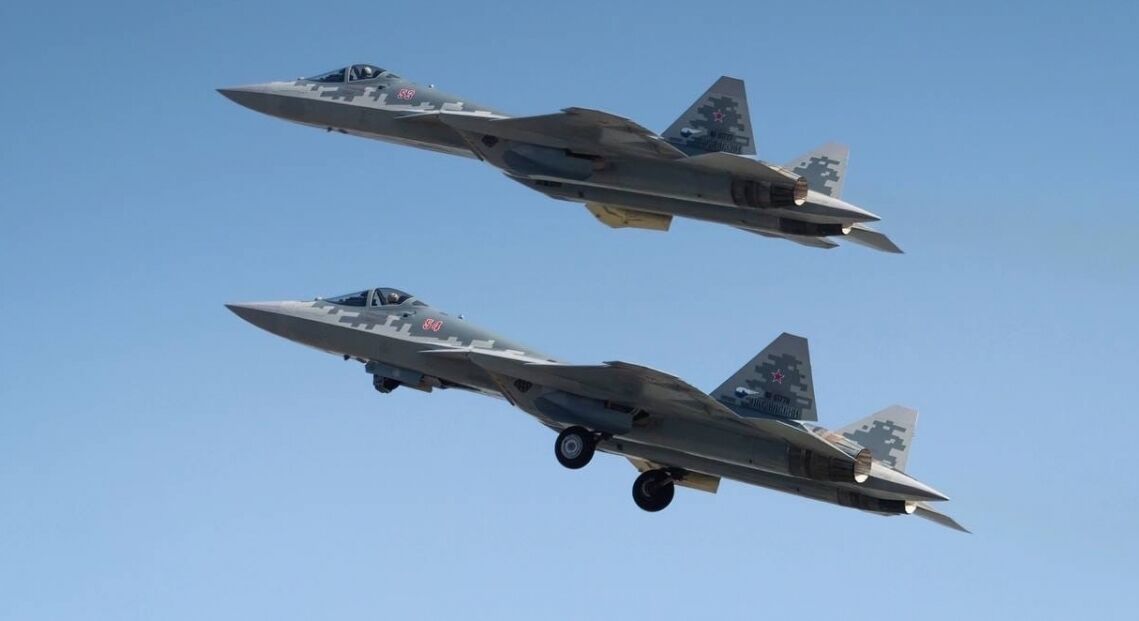
During the manoeuvre performed by Bogdan “the engine heats up to 2,000 degrees Celsius internally. This is a critical test on the verge of a thermal extreme, which the domestic powerplant successfully withstands thanks to the high reliability of its design," Rostec noted. The statement added that performing such complex and dangerous aerobatic manoeuvres is of significant practical importance, since high manoeuvrability allows the fighter to evade enemy missile attacks. The Su-57 is currently reliant on the AL-41F-1 engine, a derivative of the Soviet AL-31F that uses next generation technologies.
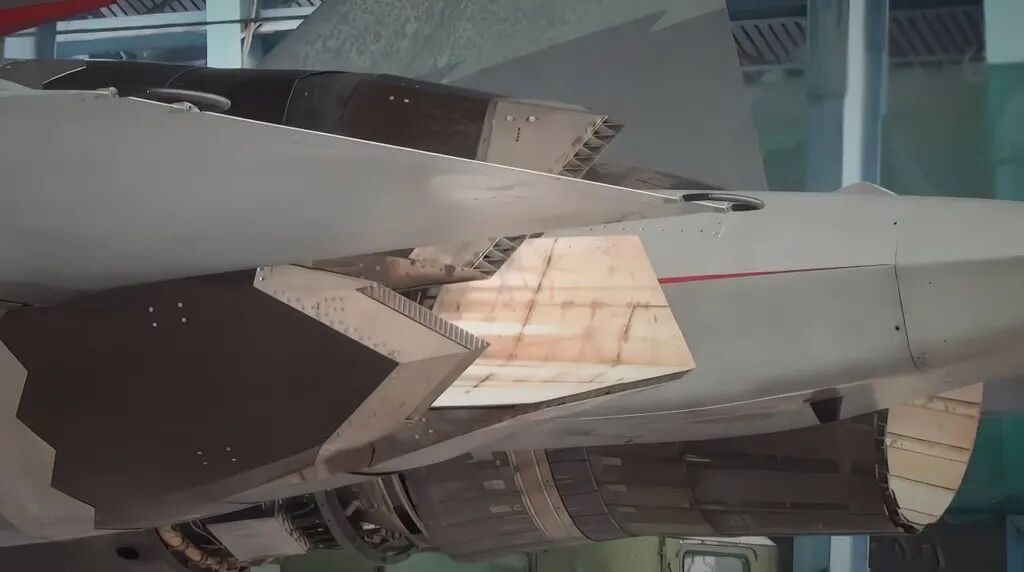
The Su-57 was initially designed to integrate the AL-51F, a clean sheet next generation powerplant, although major development delays have prevented it from entering service. It is now expected to become operational around 2030 on the enhanced Su-57M1 variant. CEO of the Russian State run United Aircraft Corporation Vadim Badekha in June announced that a new type of engine would begin deliveries and integration “in the coming years,” although following repeated delays Russia’s ability to develop a next generation design has increasingly been brought to question. The WS-15 that powers China’s J-20 fighter, and the F135 powering the U.S. F-35 fighter, are currently considered the world leaders in terms of performance, with China expected to introduce a new engine into service around 2030 to power its first sixth generation fighters.
