
Russia’s New Banderol Low Cost Cruise Missile is Devastating Ukraine’s Ports
Military Watch Magazine Editorial Staff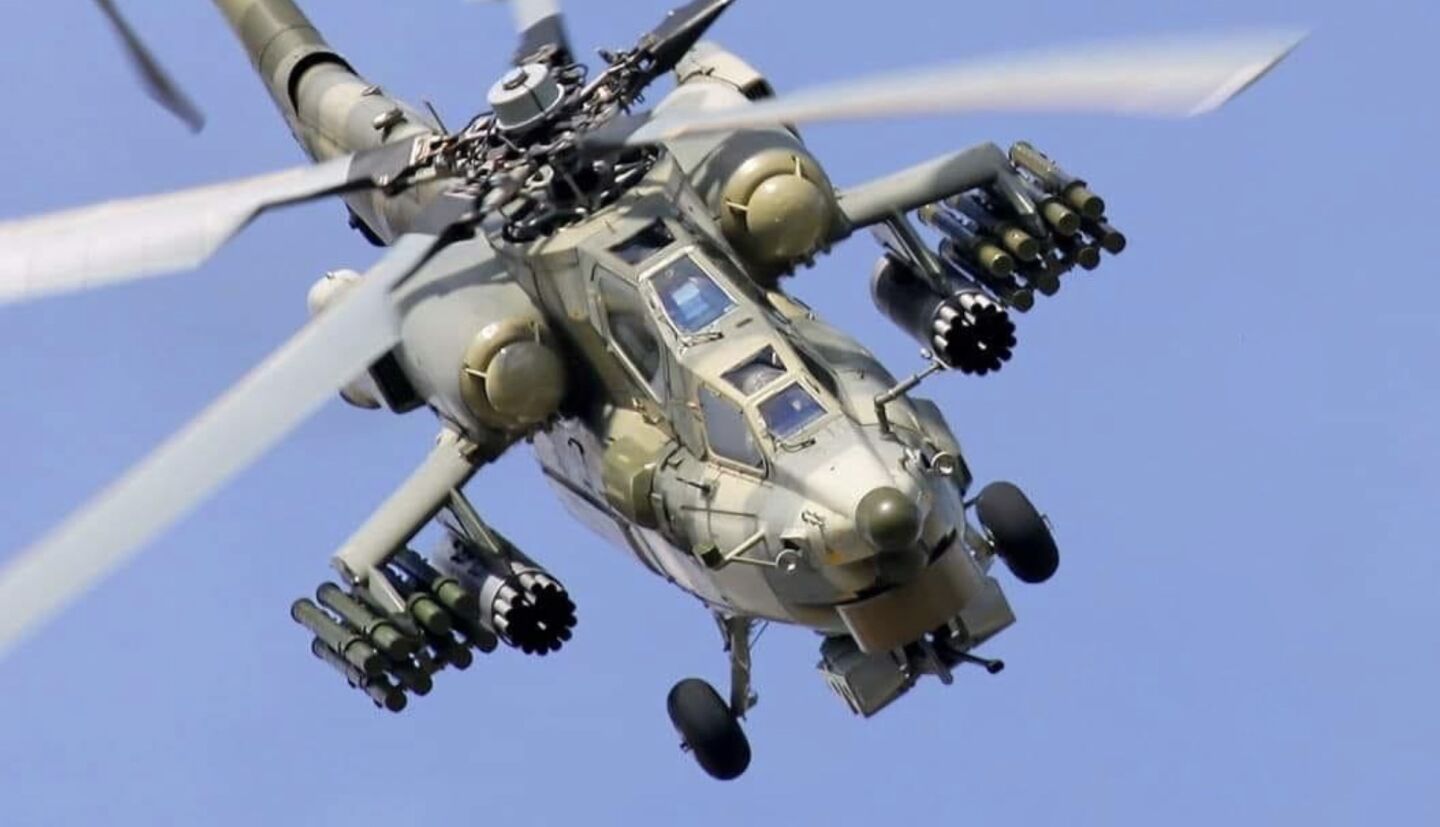
Mi-28 Helicopter - The Primary Launch Platform for Banderol Missile Attacks
Russia’s rapidly expanding use of the S8000 Banderol cruise missile is contributing to a dramatic deterioration in the security of Ukraine’s Black Sea coast, with repeated attacks increasingly disrupting commercial shipping and port operations. The Banderol is particularly significant because it combines capabilities normally associated with substantially more expensive cruise missiles with an emphasis on relatively inexpensive mass production. The missile is reported to have a range of approximately 500 kilometres, a speed of around 700 kilometres per hour and a warhead in the 114–150 kilogram class, depending on the source and configuration.
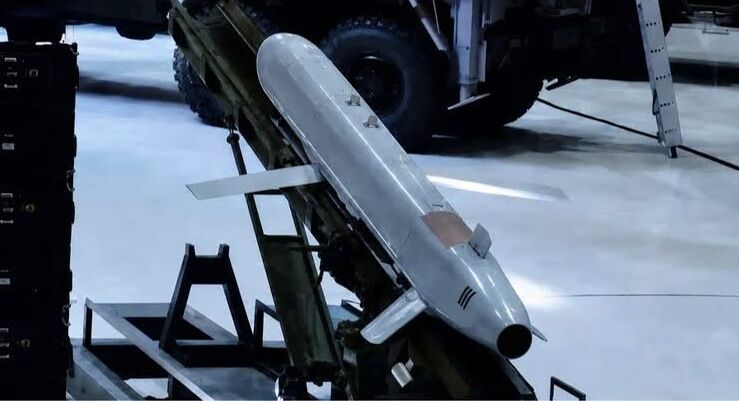
Unlike Russia’s larger Kh-101 or Kalibr cruise missiles, the Banderol is a much smaller weapon designed around affordability and ease of deployment. Its relatively compact dimensions allow it to be carried by aircraft and potentially other platforms that could not accommodate larger cruise missiles. This makes it possible for Russia to generate a considerably larger number of launch opportunities than would be possible using only its most sophisticated long-range weapons. Reports from multiple Western sources have increasingly warned that the Banderol has become central to Russian strikes against Ukraine’s southern maritime infrastructure, helping turn the country’s major Black Sea ports into an increasingly dangerous environment for cargo vessels.
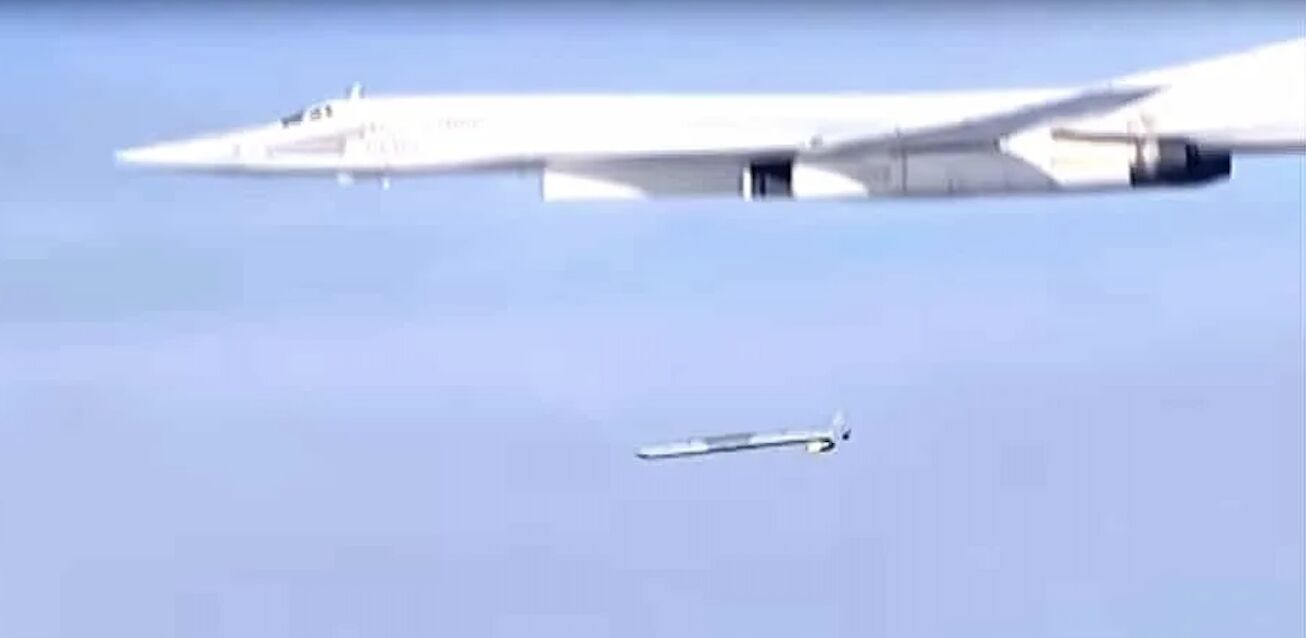
The Banderol was initially associated with the Kronshtadt Orion unmanned combat aircraft, providing Russia with a relatively inexpensive combination of an unmanned launch platform and long-range precision weapon. More recently, however, the Banderol has also been integrated with the Mi-28 attack helicopter, allowing Russian forces operating from Crimea to launch the weapon against targets along Ukraine’s southern coast. Ukrainian officials have also reported increasing use of the missile in attacks around Odesa.
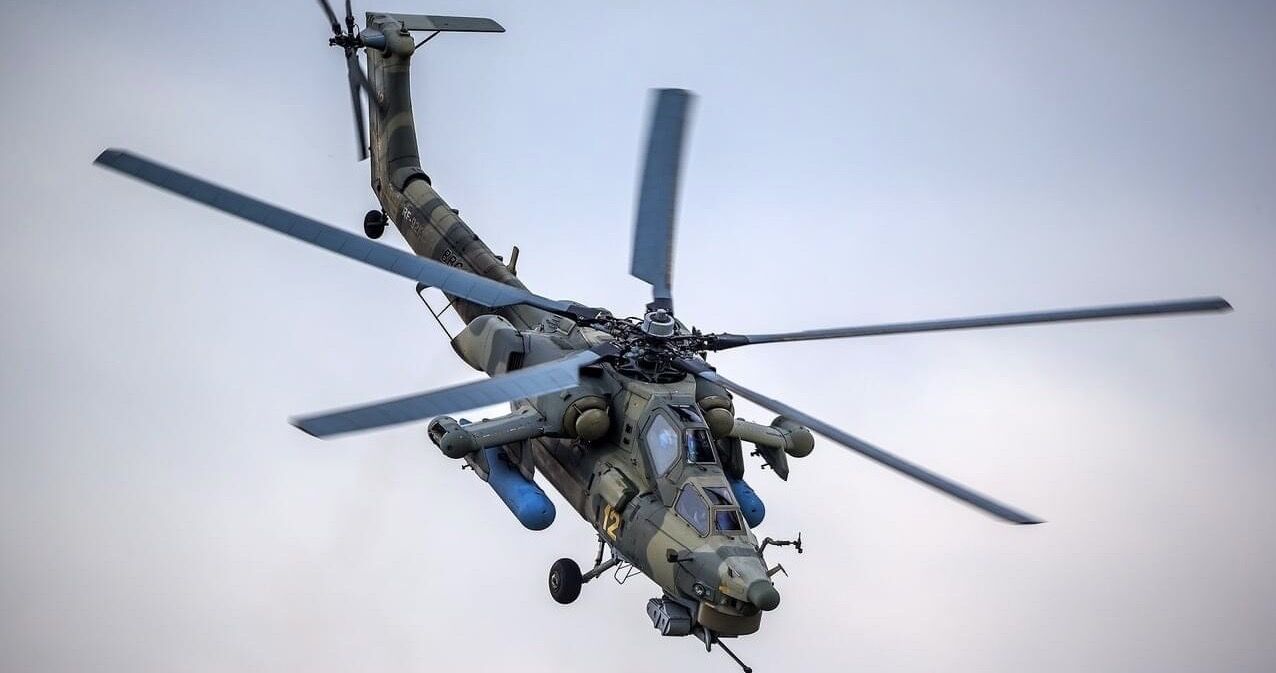
The Mi-28 can operate much closer to the frontlines than conventional Russian strike aircraft, while its use of the missile avoids the need to penetrate deep into Ukrainian airspace to attack targets hundreds of kilometres away. The weapon therefore allows Russia to exploit a platform that might otherwise have limited utility against heavily defended targets. The Banderol’s reported range is sufficient to cover much of southern Ukraine when launched from Crimea, allowing for strikes on Odesa and other coastal infrastructure from relative safety.
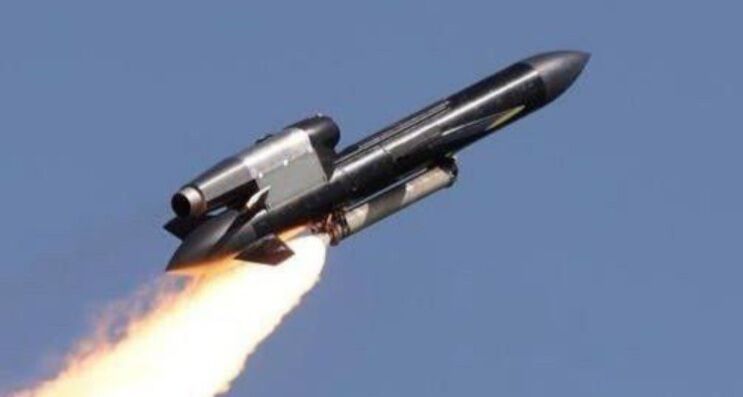
The new missile has reportedly become increasingly prominent in attacks against the Odesa region. Ukrainian officials have claimed that Banderols account for approximately 80 percent of Russian attacks on Odesa’s infrastructure, although this figure is based on Ukrainian assessments and has not been independently verified. The consequences for commercial shipping have been considerable. Ukraine’s principal Black Sea ports of Odesa, Chornomorsk and Pivdennyi normally handle the overwhelming majority of the country’s maritime exports, but recent attacks have caused shipping companies to increasingly avoid the area, while strikes against port infrastructure and vessels have disrupted the movement of grain and other commodities.
