
Russia Integrates Mystery ‘Product 177’ Next Generation Engine on Su-57 Stealth Fighter For First Flight
Military Watch Magazine Editorial Staff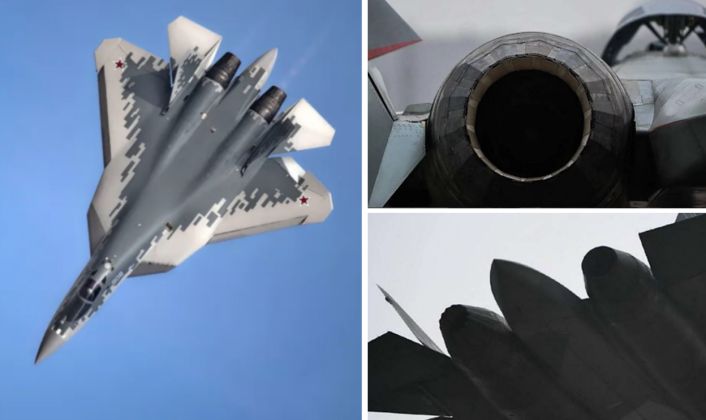
Su-57 Fighter and Project 177 Engines
The Russian Su-57 fifth generation fighter has for the first time flown while integrating a new engine, referred to only as Product 177, marking the beginning of a new phase of the program. The state defence conglomerate Rostec announced that specialists “begun flight tests of the ‘Product 177’ engine as part of the fifth-generation Su-57 aviation complex,” and that it performed within normal parameters while demonstrating its reliability. The engine’s power levels are notably significantly lower than were expected for the Su-57’s next generation powerplant, with a thrust of just 157 kN, compared to 156 kN generated by the American F-22 fighter’s F119 engines that began serial production almost 30 years ago in the late 1990s.
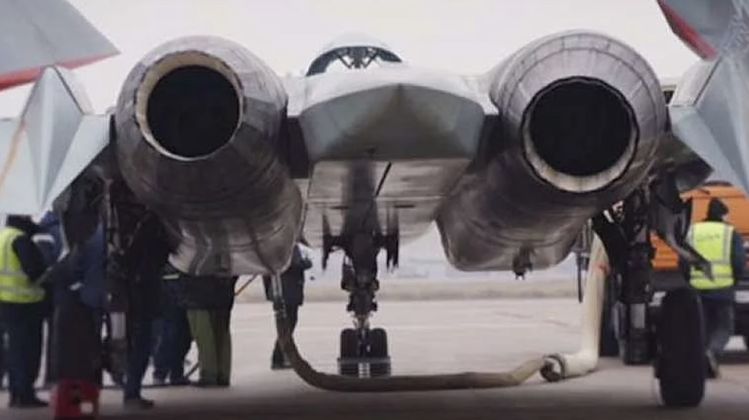
The nature of Product 177 engine’s development remains highly uncertain, with one significant possibility being that it is the name for a specific prototype or variant of the AL-51F engine that is intended for the Su-57. Another possibility is that work on the AL-51F has been cancelled, and that the new engine is intended as a replacement. The parallel development of two separate engine types for the aircraft, with one potentially having been developed to meet an export client’s requirements, also cannot be ruled out. Whichever engine the Su-57 does integrate, it will be the first clean sheet fighter engine introduced into Russian service in over 40 years.
From what is known of both the AL-51F and the Product 177 engine, either would significantly improve all aspects of the Su-57’s flight performance, enhance its stealth, and reduce operational costs and maintenance needs. The Su-57’s general design focus on minimising maintenance needs and sustainment costs is speculated to have been a major influence on both engine designs, and their primary advantage over the more powerful Soviet AL-41F fifth generation fighter engine.
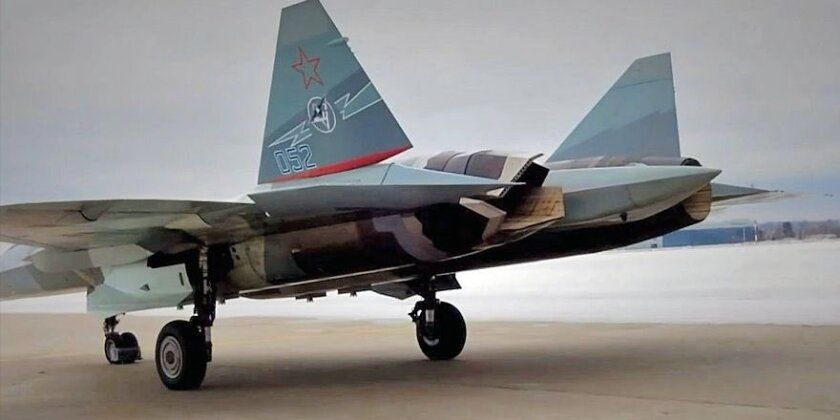
Rostec has highlighted the Product 177 engine’s reduced fuel consumption across all operating modes, and its increased service life compared with previous-generation powerplants, while portraying its development as a milestone in ongoing efforts to comprehensively modernise the Su-57. Sukhoi Design Bureau director Mikhail Strelets described this as part of the Su-57’s “evolutionary development.” Elaborating on the new capabilities provided by the powerplant, General Designer of the A. Lyulka Design Bureau responsible for its development, Evgeny Marchukov, observed that new materials and “innovative design solutions” have allowed for the achievement of “significantly improved technical characteristics compared to earlier engines,” stressing that the first flight marks the beginning of joint work between the United Engine Corporation, of which A. Lyulka is a part, and the United Aircraft Corporation, on flight testing the Su-57 with the new engine.
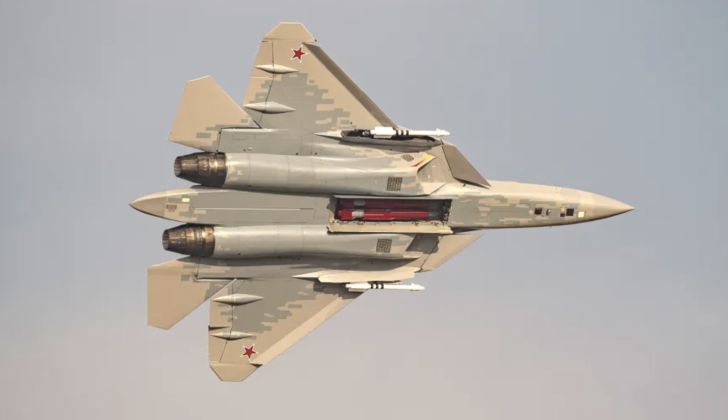
Significant uncertainties remain regarding the future of the Su-57’s engine, including whether the fighter can supercruise with its current stopgap powerplant, and whether the Production 177 engine will have sufficient power to achieve a cruising speed exceeding Mach 2, which the Soviet MiG-25 and MiG-31 interceptors are the only combat jet in the world known to have previously achieved. Even with weaker stopgap engines based on the Su-35 fourth generation fighter’s AL-41F-1S, the Su-57’s flight performance has remained world leading, with a significantly longer range than any Western fighter aircraft, and particularly high degrees of manoeuvrability. This was recently highlighted at the Dubai Airshow when a Su-57 prototype was deployed with a full anti-radiation missile and surface-to-air missile load, and still proved capable of demonstrating what is widely considered the world’s highest level of manoeuvrability of any fighter type despite this weight. A new engine is not only expected to improve speed and manoeuvrability, but also to reduce maintenance needs and sustainment costs, while increasing power available for onboard subsystems such as radars.
