
Russia Conducts Live-Fire Anti-Ship Missile Drills on Japanese-Claimed Territory
Military Watch Magazine Editorial Staff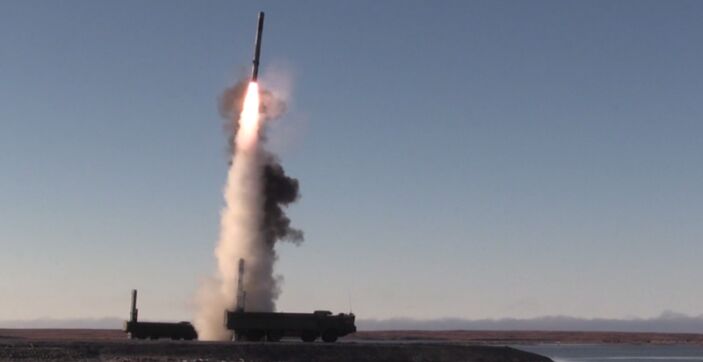
Russian Bastion Missile System Launches P-800 Cruise Missile
Russia has conducted a missile exercise near the Japanese-claimed Kuril Islands, shortly after President Vladimir Putin made his first visit to the territory. The Pacific Fleet said a unit equipped with the Bastion coastal defence missile system conducted the exercise, striking simulated enemy naval targets at a distance of at least 300 kilometres. The drill adds a military dimension to an already worsening diplomatic dispute between Moscow and Tokyo. The timing is particularly significant because Putin visited Iturup, the largest of the four islands, on August 13. It was the president’s first visit to the disputed islands, making the trip an unusually direct demonstration of Moscow’s claim to sovereignty over the territory.
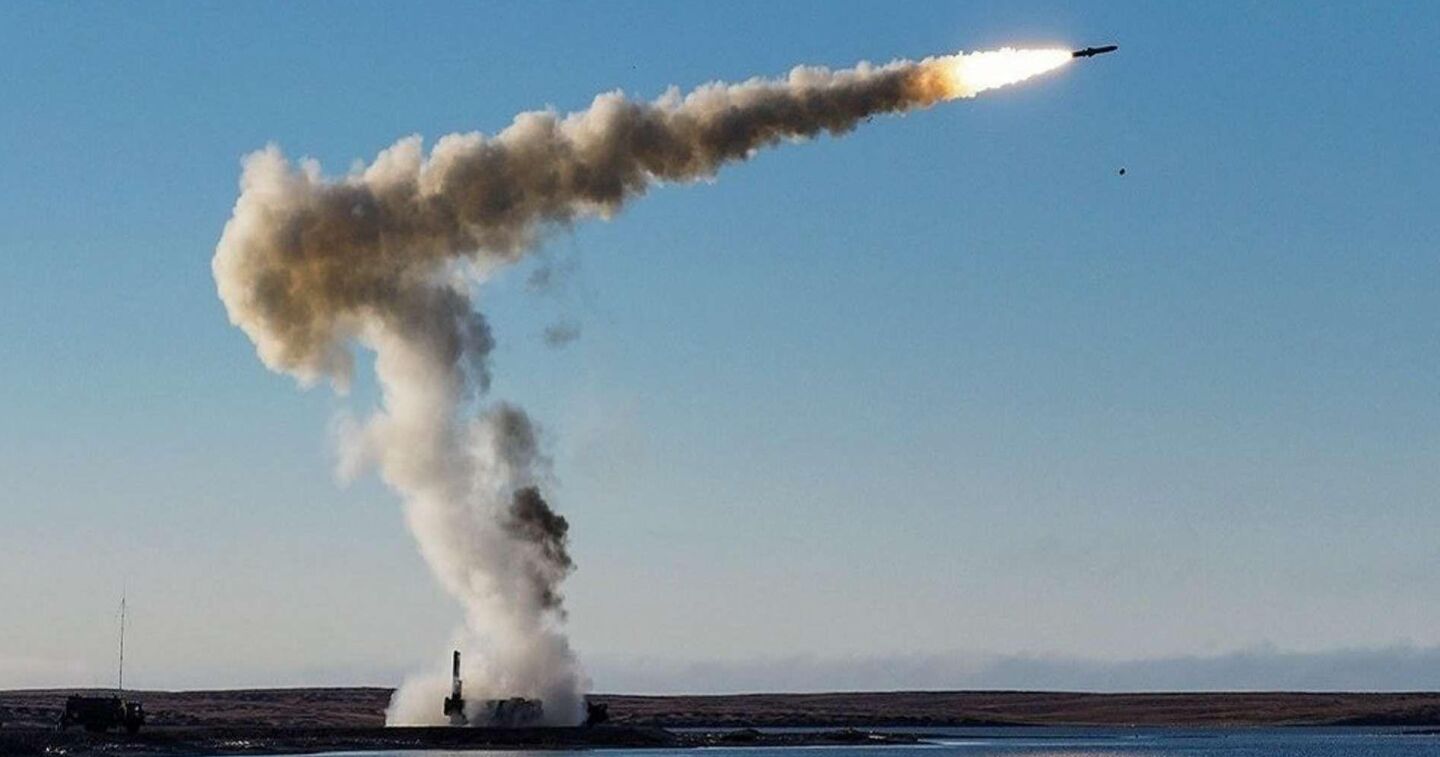
The Bastion exercise appears designed to reinforce the military significance of Russia’s presence on the islands. The K-300P Bastion system is a long-range coastal defence complex designed primarily to engage surface ships, using the P-800 Oniks family of supersonic anti-ship missiles. Its deployment on the Kurils gives Russia the ability to threaten naval forces approaching the islands from considerable distances. According to Russia’s Pacific Fleet, the exercise simulated an attack against enemy vessels and successfully struck all designated targets at ranges of at least 300 kilometres. The precise date of the firing was not disclosed, meaning it remains unclear whether the exercise took place immediately before or after Putin’s visit. Nevertheless, its announcement following the visit gives it considerable political significance.
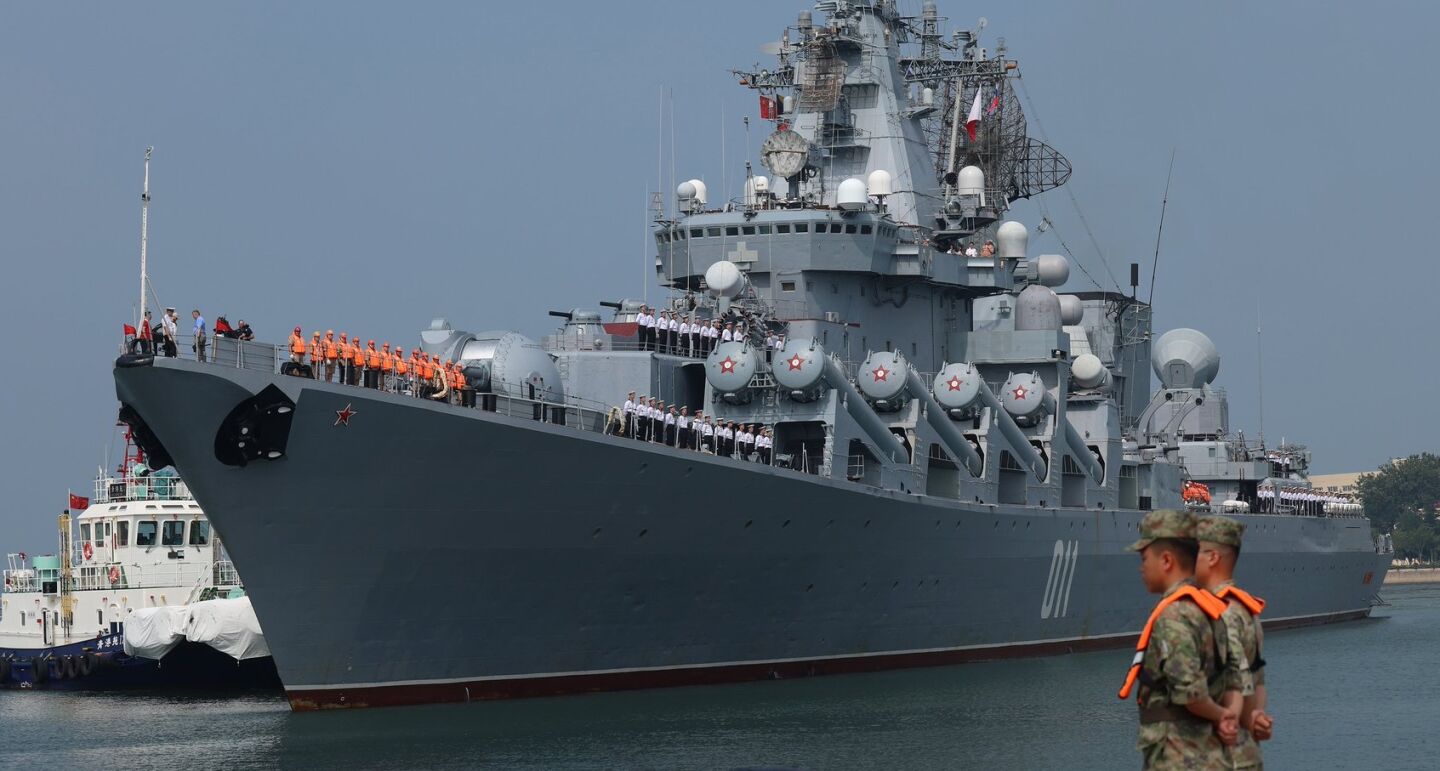
Alongside land-based missile units, the Pacific Fleet’s flagship the cruiser Varyag and the Omsk nuclear-powered submarine also participated. The combination of coastal missile batteries, a major surface combatant and a nuclear-powered submarine illustrates the layered nature of Russia’s naval forces in the region. The Bastion system is particularly valuable because it creates a form of anti-access/area-denial capability around Russian-held territory at a very low cost, providing an effective tool for sea denial against larger and better armed hostile naval forces.
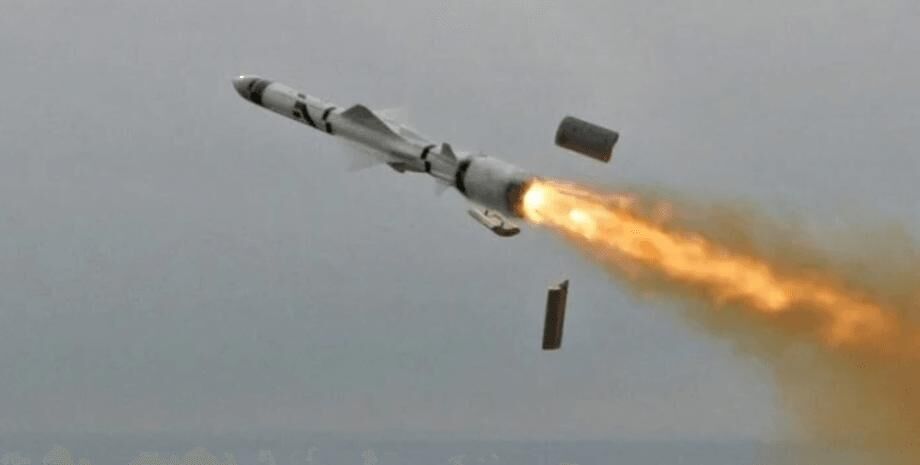
The Bastion’s capabilities are especially relevant around the Kuril Islands because of their geography. The island chain stretches between Hokkaido and Russia’s Kamchatka Peninsula, creating a series of positions from which Russia can monitor and potentially restrict movement between the Sea of Okhotsk and the wider Pacific. Russia has invested heavily in strengthening the military infrastructure of the Kurils. The islands are important not only because of the territorial dispute with Japan but also because they form part of the approaches to the Sea of Okhotsk, an area of considerable strategic importance to Russia’s Pacific Fleet and nuclear deterrent.
