
Russia Constructing Large Underground Attack Drone Factory to Fortified Shahed Mass Production
Military Watch Magazine Editorial Staff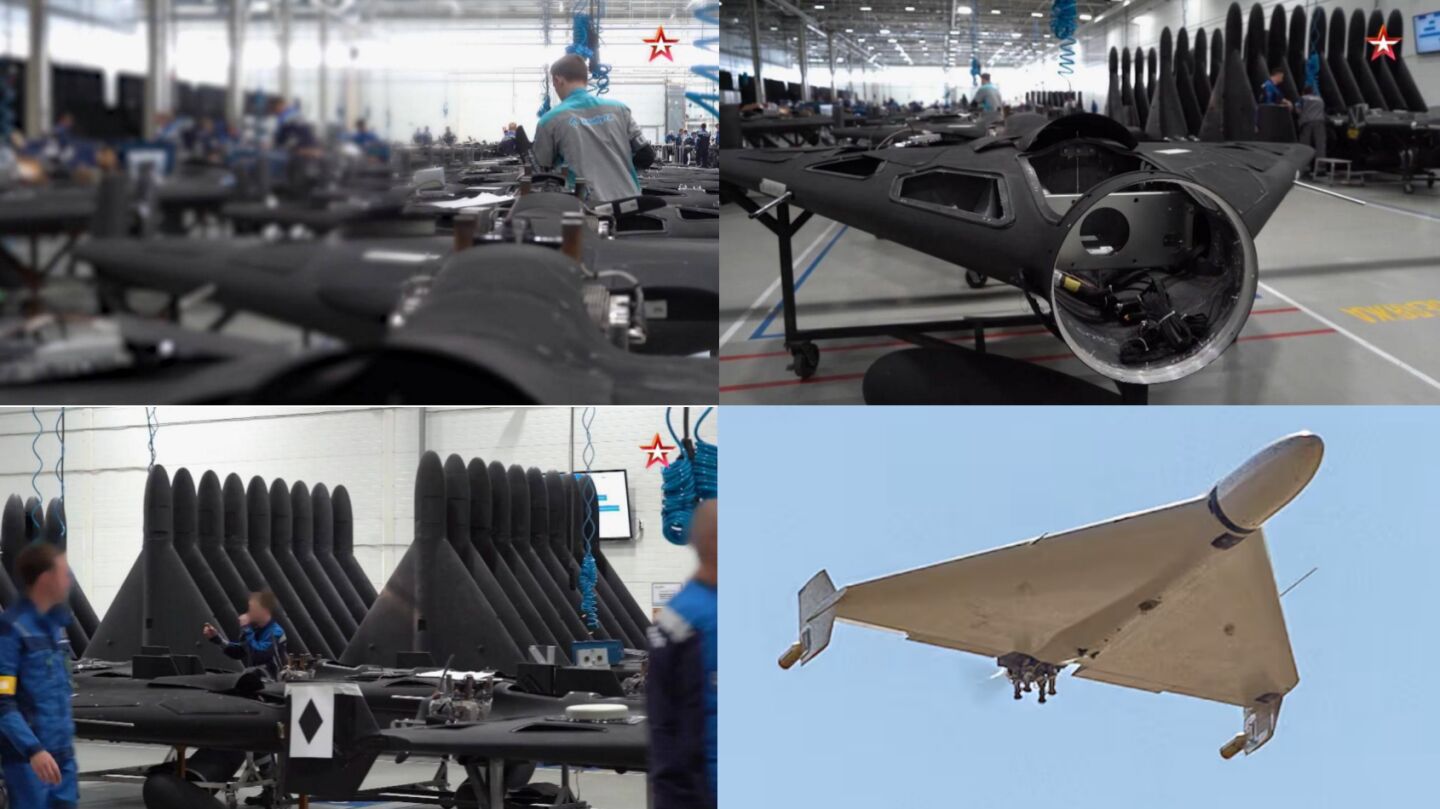
Russian Geran-2 Single Use Attack Drone and Production Facility
Russia is reportedly constructing extensive underground production facilities at its Alabuga industrial complex in Tatarstan, as it seeks to protect its rapidly expanding production of single use attack drone. Ukrainian open-source intelligence analyst Dnipro Osint has estimated that approximately 42,000 square metres of underground space has already been constructed at the site, which has become the principal Russian manufacturing centre for Geran-2 drones, the Russian designation for the Iranian-designed Shahed-136. The reported construction represents a major change in the physical configuration of the Alabuga complex, with design choices having been made following an intensification of joint strikes launched from Ukraine against key industrial targets in Russia.
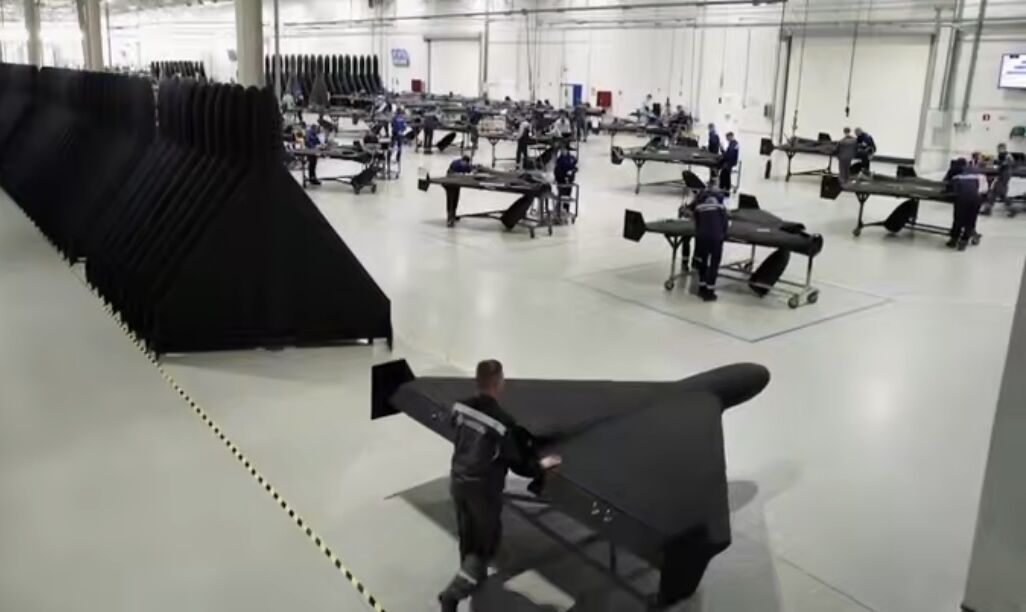
Ukraine has launched multiple strikes on the Alabuga industrial complex, with construction on new underground facilities assessed by Ukrainian sources to have progressed rapidly. The underground areas are reportedly intended for future production facilities, although the precise functions of the structures have not been independently confirmed. The evidence currently comes primarily from satellite imagery and OSINT analysis rather than an official Russian announcement. The factory located near Yelabuga approximately 1,200 kilometres from the Ukrainian border, and has expanded substantially since Russia began industrial-scale production of attack drones.
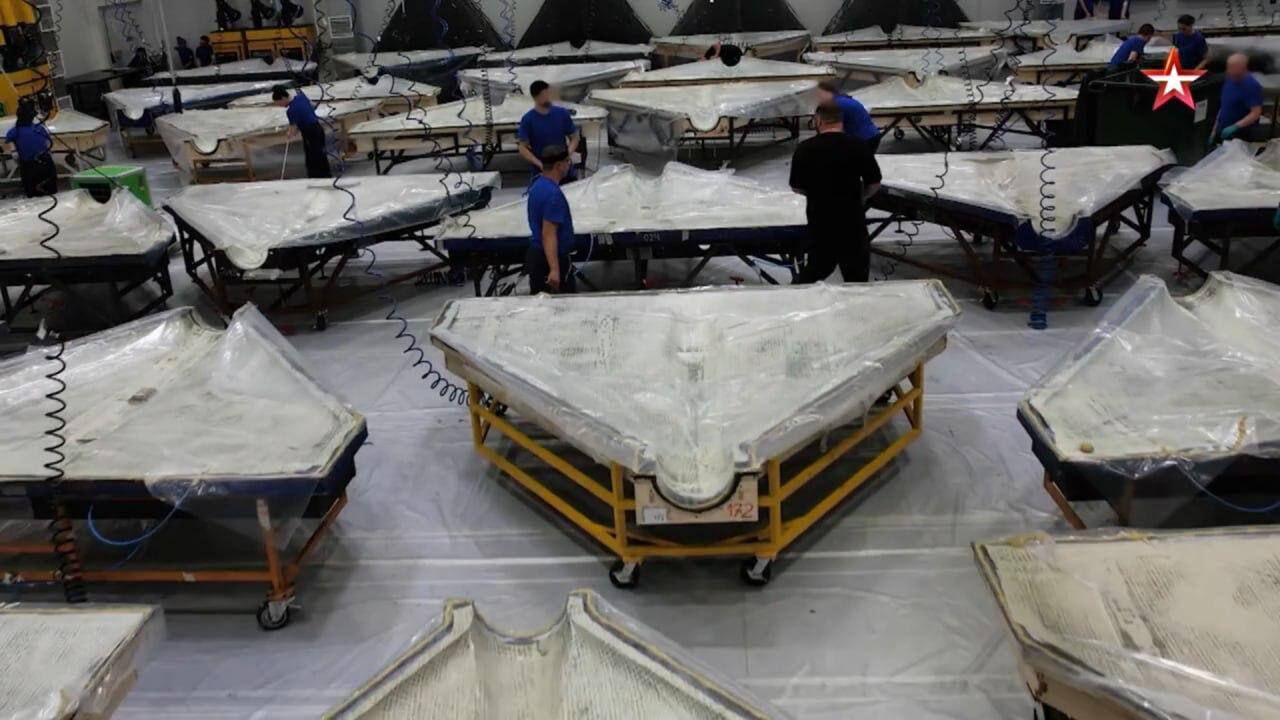
The Alabuga facility incorporates multiple stages of the manufacturing process, including composite airframe production, engine manufacture, metalworking, electronics and wiring, final assembly and storage. Satellite imagery has shown that the Yelabuga UAV production complex had grown from an initial pair of buildings into a large industrial network containing dozens of facilities, with the broader complex having expanded to more than 2.8 million square metres of space. Approximately 15 percent of the Alabuga Special Economic Zone's facilities are potentially now involved in drone production. This expansion has allowed Russia to significantly intensify drone strikes on Ukrainian targets, while maintaining a large wider force for a potential conflict with NATO members.
Russian state media in July 2025 for the first time revealed footage of the Alabuga Factory, which showed hundreds of the aircraft already completed, at what is reportedly the largest facility of its kind in the world. Russia’s defence sector has since mid-2022 considerably expanded its capacity to produce single use attack drones, with The Economist in May that year reporting that output of the Geran-2 had increased more than tenfold from 300 a month, to over 100 per day. Industry was reported at the time to be on track to be able to produce 500 of the aircraft daily, allowing for strikes using over 1000 of the aircraft to be launched several times per week.
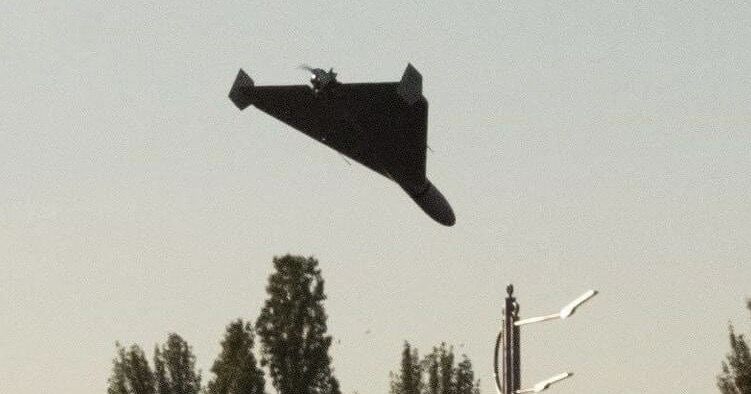
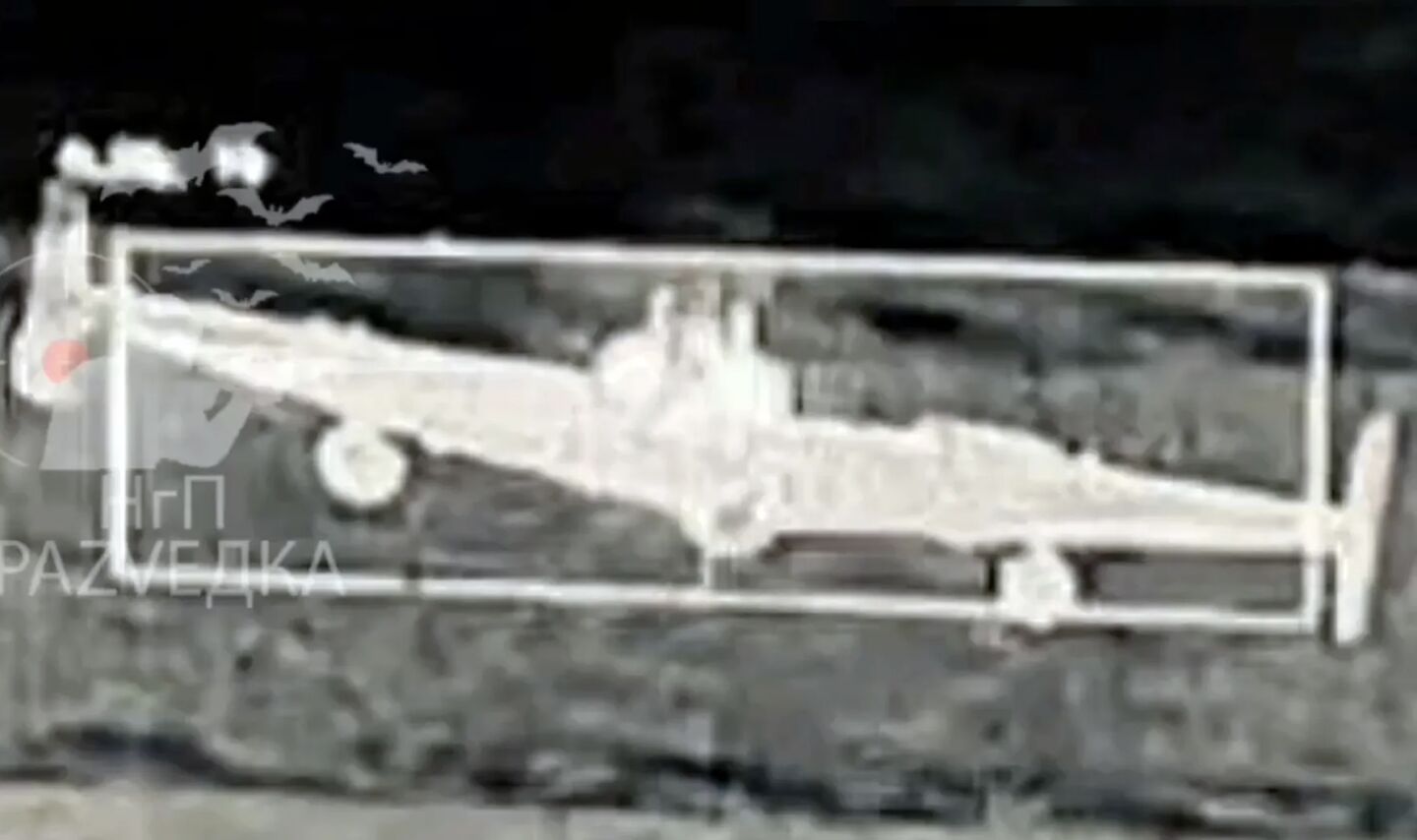
The Shahed 136 made its combat debut in the Ukrainian theatre in September 2022, and quickly emerged as one of the Russian Armed Forces’ most valued strike assets. New variants and modifications have continued to appear, such as those deploying PTM-3 anti-tank mines which were first seen in August 2025. In June 2025 it was reported that 25,000 North Korean industrial workers were being dispatched to Russia to support production efforts in Tatarstan, which had long been considered likely by analysts, and corroborated reports from Ukrainian intelligence officials.
