
Russia’s Khabarovsk Nuclear Torpedo Submarine Marks a New Phase in Strategic Deterrence
Military Watch Magazine Editorial Staff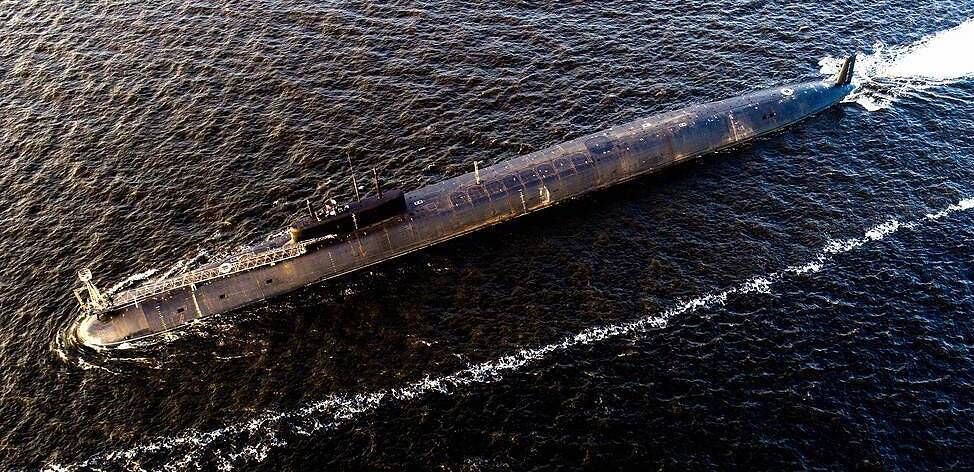
Russian Navy Borei Class Nuclear Powered Nuclear Armed Ballistic Missile Submarine
Following confirmation that the Russian Navy has begun factory sea trials of the first Khabarovsk class nuclear-powered strategic submarine, a growing consensus has emerged that the country’s strategic nuclear deterrent is entering a new phase as unprecedented capabilities begin to be introduced. The warship left the Sevmash shipyard in Severodvinsk on August 17, 2026, marking a major milestone in a programme that has been under development for more than a decade. Its emergence represents a significant expansion of Russia’s strategic nuclear posture, introducing a delivery system designed to approach targets from an entirely different direction from traditional ballistic missiles.
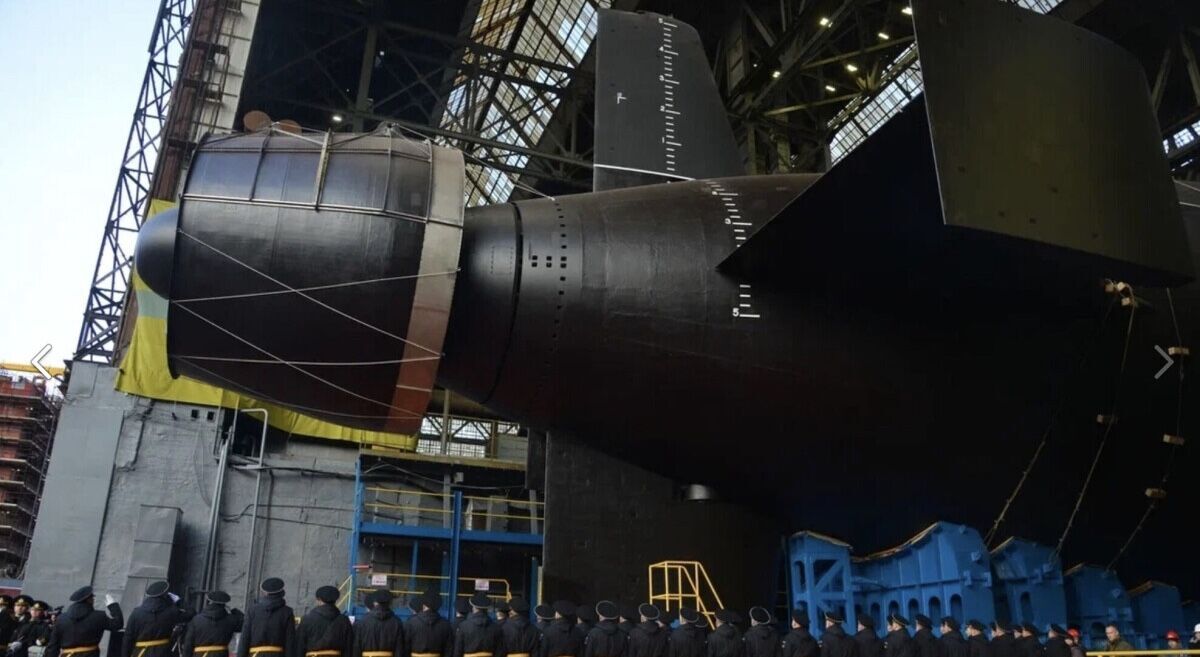
The Khabarovsk was designed by the Rubin Central Design Bureau and is reportedly based in part on technologies and design solutions associated with the Borei class nuclear-powered ballistic-missile submarines. Unlike a ballistic missile submarine, however, its primary purpose is not to launch ballistic missiles but to deploy Poseidon autonomous underwater vehicles. The submarine is estimated to displace around 10,000 tons and is designed to carry up to six Poseidons. The Poseidon represents a fundamentally different approach to strategic nuclear delivery, as rather than travelling through the atmosphere on a ballistic trajectory, the nuclear-powered vehicle is intended to travel underwater over intercontinental distances before approaching its target.
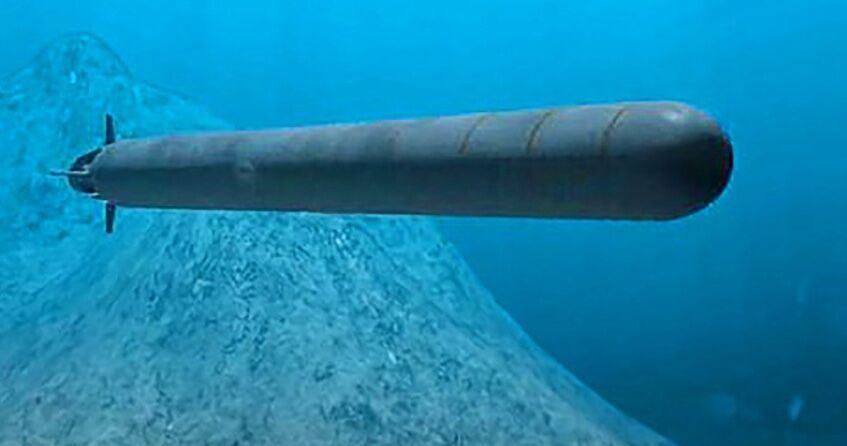
The Poseidon gives Russia a means of delivering a nuclear weapon that does not depend on the conventional intercontinental ballistic-missile architecture and potentially complicates defence planning by forcing an adversary to address an additional undersea axis of attack.
The strategic significance of Khabarovsk therefore lies less in the number of weapons it carries than in the diversification of Russia’s second-strike capability. Russia already possesses the world’s largest land-based ICBM force and second largest ballistic-missile submarine fleet, alongside long-range nuclear-capable aircraft. The Poseidon’s very different operating environment and approach routes will require adversaries to develop an entirely separate set of surveillance and defensive capabilities.
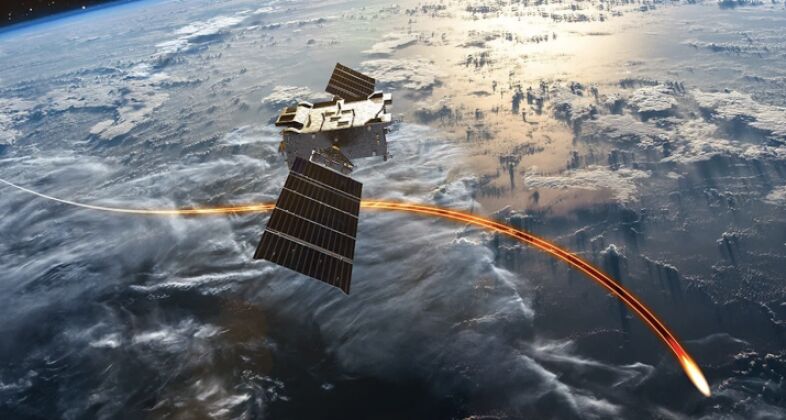
The Khabarovsk program demonstrates how Russia has increasingly sought to compensate for limitations in conventional military capabilities in the post-Soviet era through highly specialised strategic systems. While the country has struggled to sustain competitive positions across the full spectrum of advanced defence technologies, nuclear weapons, nuclear-powered submarines and other asymmetric capabilities have remained among the highest priorities for investment. Poseidon fits this broader pattern by offering a technologically ambitious capability intended to produce strategic effects without requiring Russia to match the United States across the entire conventional military spectrum.
