
Russia Expands Lada Class Attack Submarine Program: Two Additional Ships to Be Laid Down in 2026
Military Watch Magazine Editorial Staff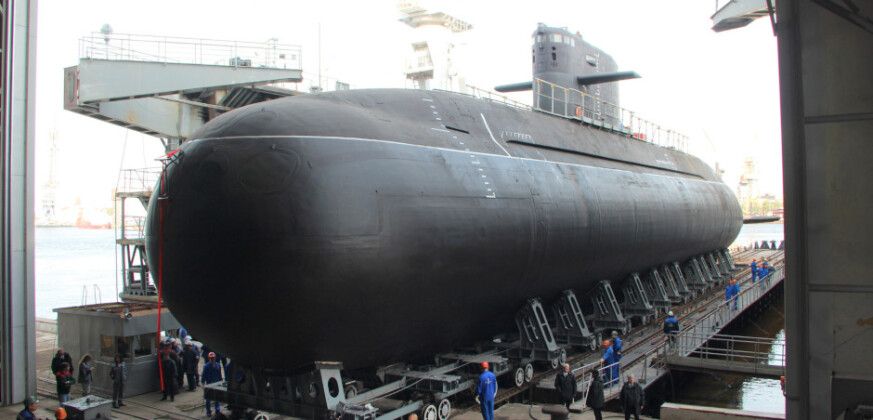
Russian Lada Class Attack Submarine
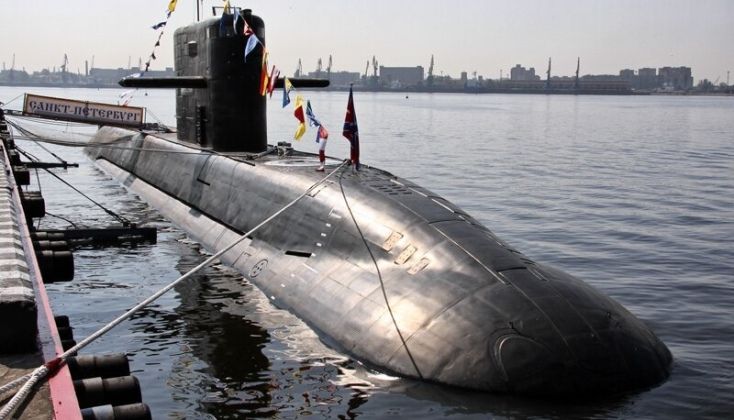
Commander-in-Chief of the Russian Navy Admiral Alexander Moiseyev has confirmed plans to construct two additional Lada class diesel-electric attack submarines, with these intended to be laid down at the JSC Admiralty Shipyards in 2026. "We have commissioned another vessel, and two more are at various stages of construction. Contracts have already been signed under the current state defence order for two more [Lada class ships]. And I think we will be participating in the keel-laying ceremony of these vessels very soon, early next year. They are the foundation of Russia's non-nuclear submarine fleet," he stated. Developed as successors to the better known Kilo class attack submarines, only two serial production Lada class ships have been built, the first of which joined the fleet in 2010. The newly produced vessels are expected to be updated and have superior capabilities than those built in the 2000s.
Confirmation of plans to resume production of Lada class submarines closely follows the issuing of orders by President Vladimir Putin in July to increase production of the Yasen-M class nuclear powered attack submarine. Unlike the United States Navy, which only fields nuclear powered attack submarines, Russia has procured both both diesel-electric and nuclear powered vessels in parallel, the former for shorter ranged operations, and the latter primarily for blue water power projection the Pacific, Arctic and Atlantic oceans. Diesel-electric submarines have been assessed by multiple analysts to be quieter, although this remains hotly disputed, while their production and sustainment costs are only a fraction of those of nuclear powered ships.
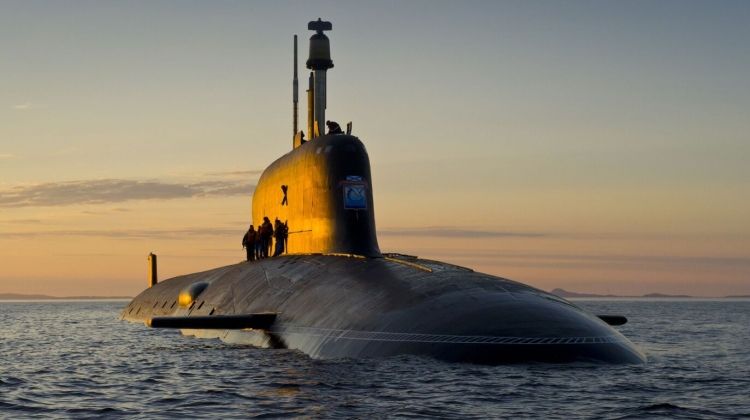
Both Lada class ships currently in service are based in the Arctic, although it remains uncertain whether future vessels may be allocated to the Pacific fleet. Each submarine carries ten cruise missile launch cells as its primary armament, with the vessels expected to be equipped with the new Zircon hypersonic cruise missiles. The first Russian attack submarine, the Yasen-M class warship Perm, was equipped with the missiles in March 2025, following the first launch of the Zircon from a Yasen class ship in October 2021.
Combining the Lada class’ advanced quieting technologies, with the Zircon’s 1000 kilometre range and Mach 9 speed, has the potential to pose serious challenges to enemy warships in the vicinity, making the low cost vessels optimal assets for sea denial. The Lada class’ lack of air independent power systems, and or of lack of lithium-ion batteries seen in the propulsion systems of new Japanese an South Korean submarines, nevertheless leaves the Russian ships at something of a disadvantage against the most capable diesel-electric powered submarines fielded abroad.
