
Russia Confirms Development of Fifth Generation Strategic Nuclear Submarine: How Will it Perform?
Military Watch Magazine Editorial Staff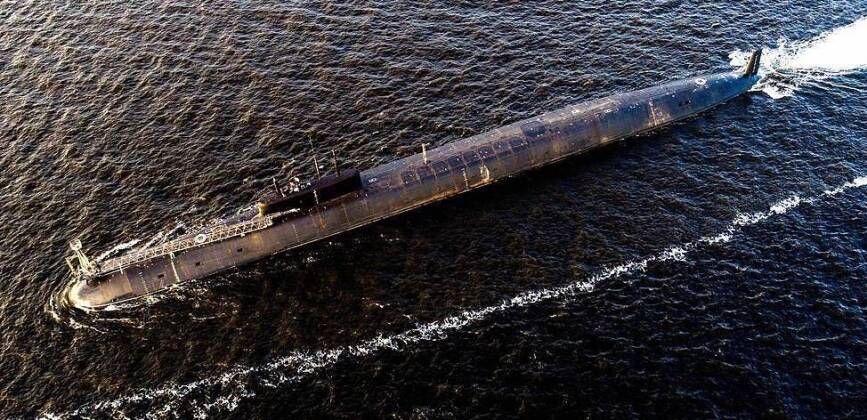
Borei Class Nuclear Ballistic Missile Submarine
Presidential Aide and Russian Naval Board Chairman Nikolai Patrushev has confirmed that work is underway to develop a next generation nuclear powered nuclear armed ballistic missile submarine, underscoring the country’s continued prioritisation of both its long range submarine fleet and of its nuclear forces. He elaborated that the program will include autonomous underwater vehicles and unspecified high-end underwater weapons “with no global analogues.” The vessels will succeed the Borei class ships currently in production, of which eight are now in service with four more planned. The announcement was made at the 125th anniversary of the Rubin Central Design Bureau for Marine Engineering, with the institute’s engineers reported to currently be engaged in the design and prototyping phase of the new submarine program.
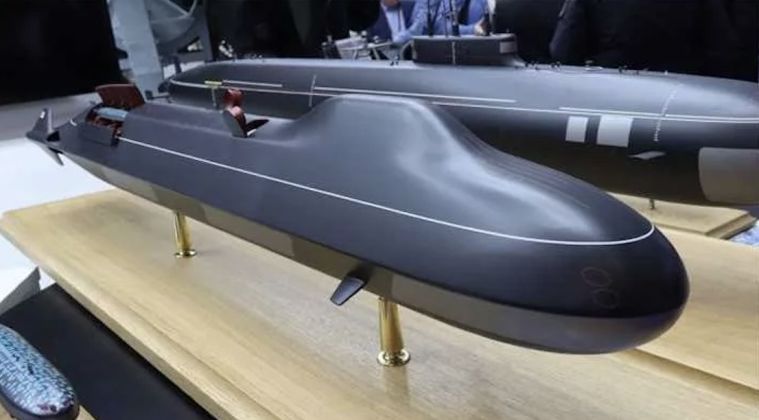
The Rubin Design Bureau previously revealed a new ballistic missile submarine design with an angled hull at the Army-2022 expo, which carry 12 missile tubes and Surrogat-V unmanned anti-submarine warfare vessels. It remains uncertain to what extent this design will influence the current program. In June the following year the bureau announced that a next generation submarine would begin replacing the Borei class from 2037. President Vladimir Putin also previously hinted at successful tests of new systems for a next generation strategic submarine. With the Columbia class ballistic submarine being developed in the United States, and the rival Chinese Type 096 class, both expected to significantly strengthen the two countries’ strategic deterrents, Russia’s next generation program appears intended to ensure that its own fleet retains a world leading standing.
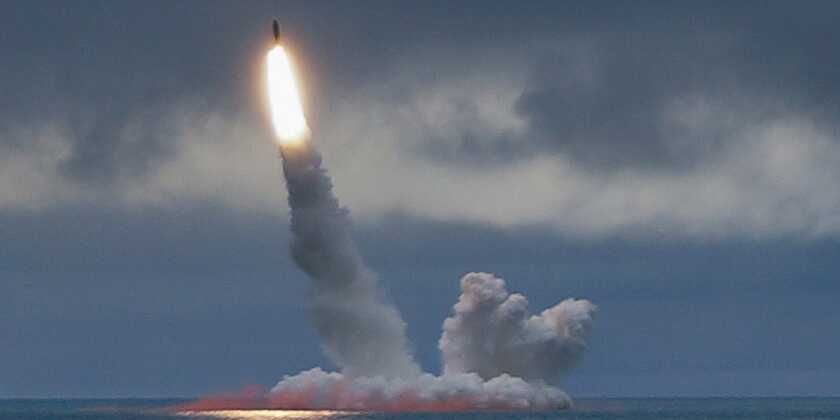
Where the Chinese Type 096 class will reportedly integrate a range of revolutionary new quieting features, including new magnetic drive technologies and Rim Driven Propellers, it remains highly uncertain whether Russian industry will be able to keep up with these advances. This has fuelled speculation that next generation Russian submarines could benefit significantly from transfers of Chinese technologies, which would be in line with prevailing trends across the defence sector. Although the Russian Navy’s surface fleet has seen its standing decline significantly since the end of the Cold War, its submarine fleet has remained world leading and been consistently prioritised for investment. Russia is currently the only country producing two classes of strategic nuclear submarine in parallel, and alongside the Borei class also produces the Khabarovsk class ships that deploy nuclear armed torpedoes rather than ballistic missiles.
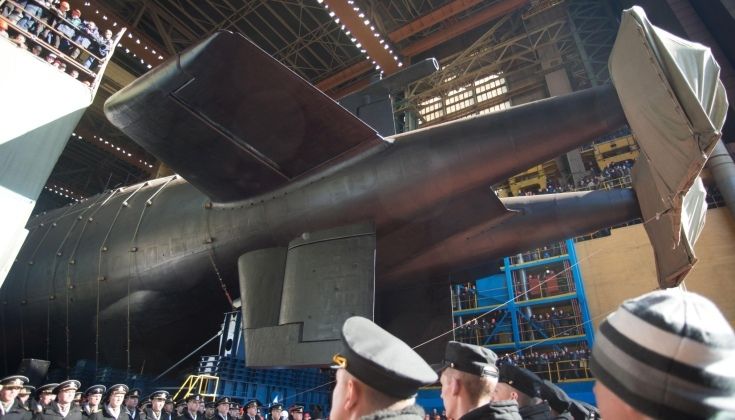
In August President Putin claimed that the Russian Navy’s fleet of Borei class submarines would provide a distinct advantage over the Western world in the event of a nuclear war, highlighting their unique capabilities. “Our strategic nuclear submarines dive beneath the Arctic ice, vanishing from radar. This is our military advantage,” the president stated at a meeting with nuclear sector workers in Sarov, east of Moscow. The Russian Navy’s nuclear submarines are all deployed under the Arctic and Pacific fleets, with the large majority being fielded by the former. The latitude of their operations allows them to launch strikes on targets in Europe and North American with relatively little warning time. The extreme concentration of the Russian submarine fleet in the Arctic has resulted in Borei Class ships being particularly well optimised for operations in the region, with their successors expected to be similarly well optimised for Arctic warfare.
