
Russia Adds Anti-Drone Nets to Caspian Fleet Ships as Strikes from Ukraine Expand
Military Watch Magazine Editorial Staff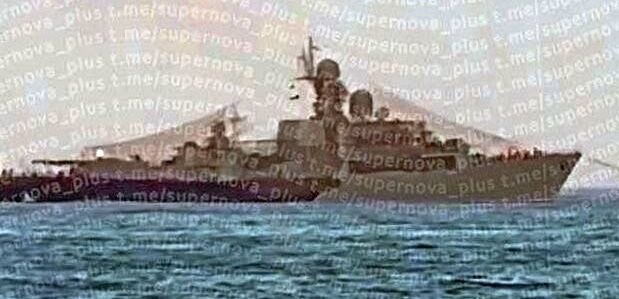
Anti-Drone Netting on the Patrol Ship Tatarstan
Russia has begun adding physical anti-drone protection to more of its naval vessels, with new protective netting spotted on the Project 11661K patrol ship Tatarstan, the flagship of the Russian Navy’s Caspian Flotilla. Footage published on October 6 showed a mesh structure installed around portions of the ship’s superstructure. The appearance of the netting follows similar measures observed on other Russian naval vessels and at naval bases, as Moscow increasingly adapts its force-protection measures to the growing threat posed by unmanned aircraft. These measures were taken months after Ukraine attacked an Iranian cargo ship in the Caspian Sea, highlighting the expansion of the reach of its drone strikes.
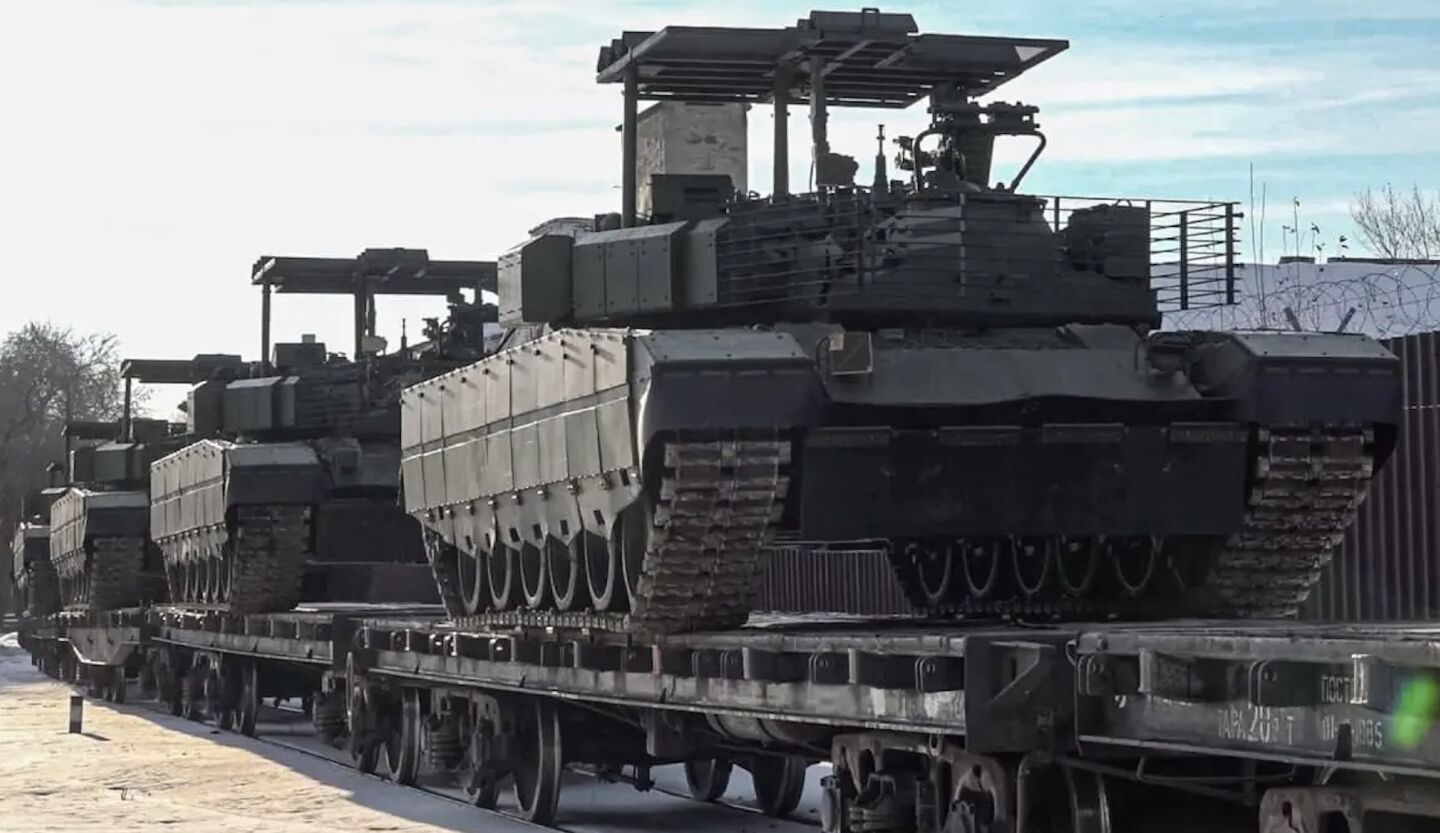
The new netting is intended to provide a physical barrier around vulnerable parts of the vessel, particularly against small drones approaching the ship. Unlike electronic warfare systems, which attempt to disrupt or interfere with a drone’s control or navigation systems, the mesh provides passive protection and can potentially prevent a small aircraft from reaching equipment or personnel behind it. The measure is part of a wider expansion of Russian naval counter-drone defences. Similar netting has previously been observed covering Russian nuclear-powered ballistic missile submarines at Rybachiy in Kamchatka, while Kilo class submarines at Novorossiysk have been fitted with protective cages around their exposed conning towers. The Russian Navy has also been introducing active counter-drone systems. The Peroed-M electronic warfare system has reportedly been installed on several surface combatants, including the Neustrashimy frigate, Varyag cruiser, Steregushchy corvette and Udaloy class large anti-submarine ship. Such systems are intended to provide another layer of protection against small unmanned aircraft and FPV-type drones.
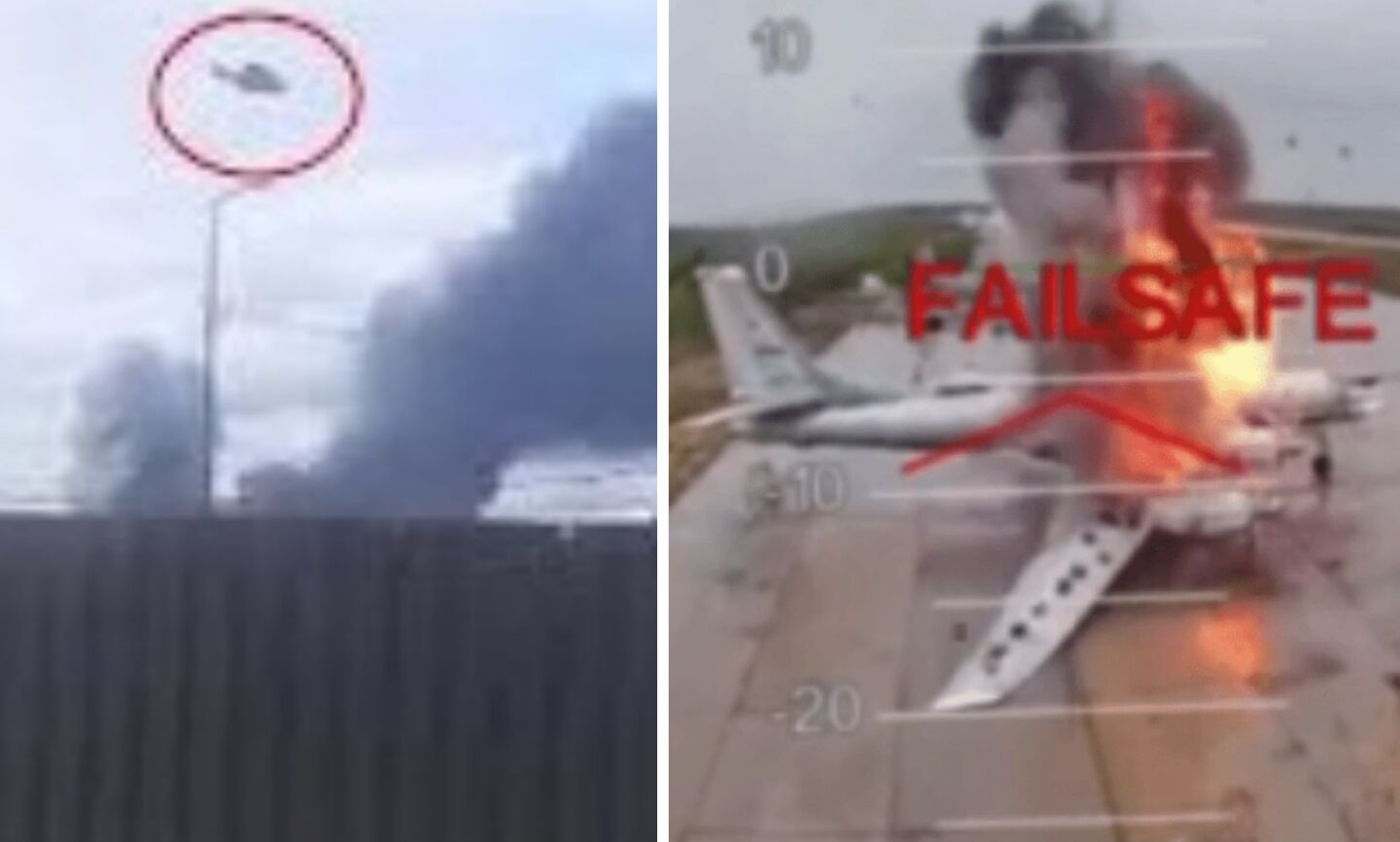
The increased emphasis on naval drone protection follows the expansion of Ukrainian attacks against Russian military infrastructure far from the main front lines. Russian naval bases have increasingly been equipped with physical barriers, protective screens and other measures designed to reduce the vulnerability of ships and submarines to unmanned systems. The Caspian Flotilla itself has also conducted dedicated counter-drone exercises. In July, Russian forces reported training mobile fire groups against simulated aircraft-type UAVs and unmanned surface vessels, with drones approaching both individually and in groups while changing altitude, direction and speed. The effectiveness of such systems is expected to depend on the size, speed and warhead of attacking drones, as well as the locations protected and the ability of crews to operate weapons and sensors through or around the structures.
