
Russia Begins Serial Production of Missiles for S-500 Hypersonic Defence System
Military Watch Magazine Editorial Staff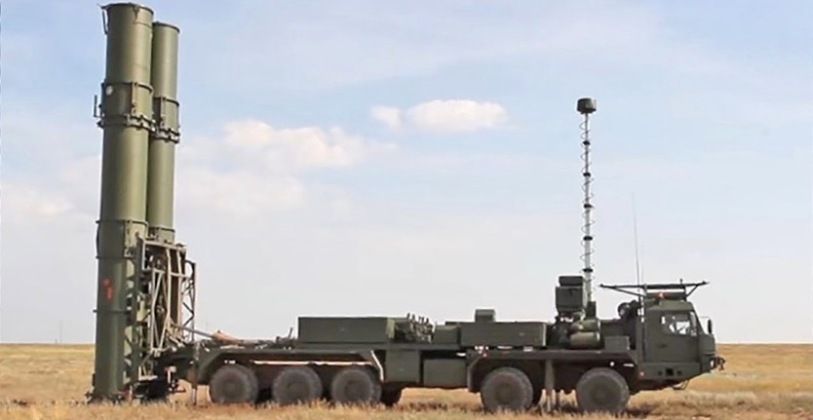
Missile Battery From S-500 Defence System
Serial production of surface to air missiles for Russia’s new S-500 Prometheus long range air defence system have begun, according to a report by state media outlet TASS citing a source in the defence sector. "In accordance with the contract between the Russian Defense Ministry and the Almaz-Antey Concern, signed in late 2020, the production of serial missiles to be delivered to the Aerospace Forces is under way," the source said. Production is being undertaken by enterprises of Russia’s Almaz-Antey Concern, which has been responsible for producing prior generations of long range air defence systems. A separate source told TASS that state trials of S-500 "are under way at a testing range in southern Russia,” with these final trips expected to be completed by the end of the year. The S-500 was a reported to have begun production in June 2019 after multiple delays, but more ambitious requirements for its specifications have reportedly further set back its development schedule.
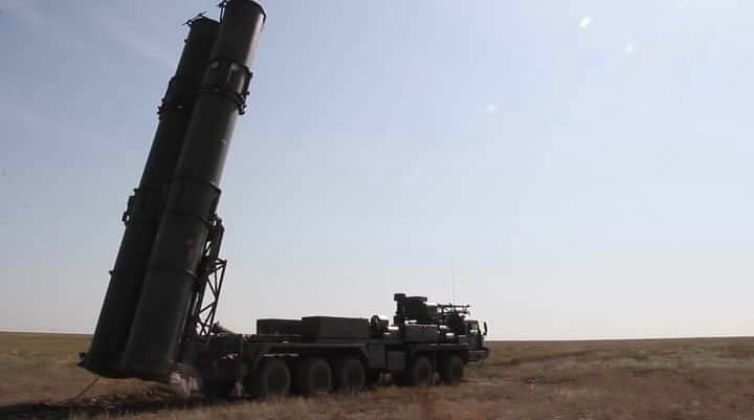
The first footage of the S-500 was released in mid-July. The system is notably not a direct successor to any prior generation of Russian weapons system, replacing neither the A-135 anti ballistic missile system or the S-400 air defence system, and will be capable of engaging both high end aircraft such as heavy bombers and AEW jets, as well as intercontinental range ballistic missiles and satellites. The S-500’s mobile transporter erector launcher will carry two surface to air missiles - where the S-400 and S-300 carried four - due to the fact that the new system’s missiles are significantly larger and retain a 600km engagement range while long range missiles on the S-300 and S-400 typically have ranges of 200km or 250km. The missile system has no analogues in the world, and can network with older air defence systems such as the S-400 to maximise situational awareness - a particularly useful asset against stealth targets, small missiles and hypersonic targets which are all particularly difficult to track.
