
Republic of China Army Unveils New Electronic Warfare Vehicles to Support Air Defences Against the Mainland
Military Watch Magazine Editorial Staff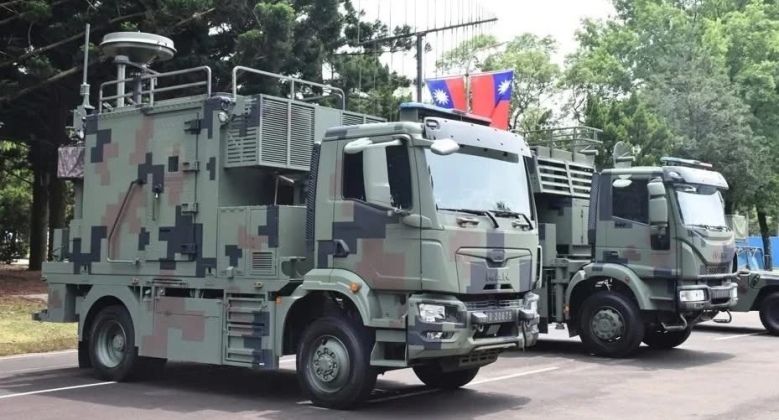
Republic of China Hsuan-Chieh Tactical Electronic Warfare Vehicle
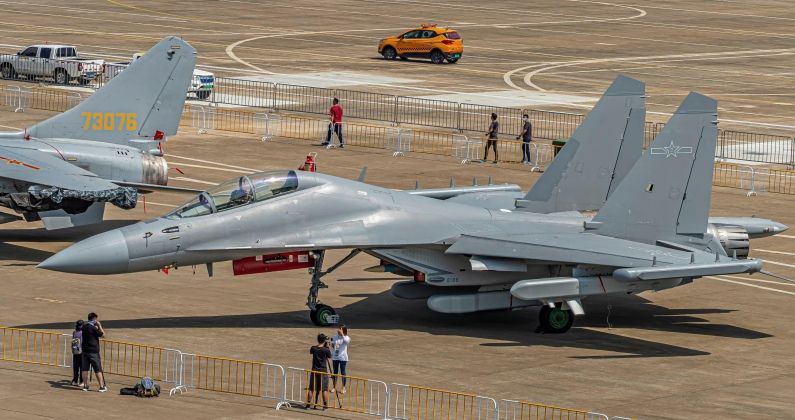
The Republic of China Army has unveiled new the Hsuan-Chieh tactical electronic warfare vehicles, which were designed to support combined arms brigades, and provide a capability not only to jam enemy UHF/VHF military frequency communications, but also counter enemy electronic warfare jamming. The vehicles were developed at a time when the Chinese People’s Liberation Army, with which the Republic of China remains in a state of civil war, has unveiled a growing range of world leading electronic warfare assets that have the potential to significantly shift the balance of power across the Taiwan Strait. It also follows demonstrations in the Ukrainian theatre that effective use of electronic warfare systems can have a pivotal role in hostilities, including rendering high value guided weapons ineffective by jamming their precision guidance systems.
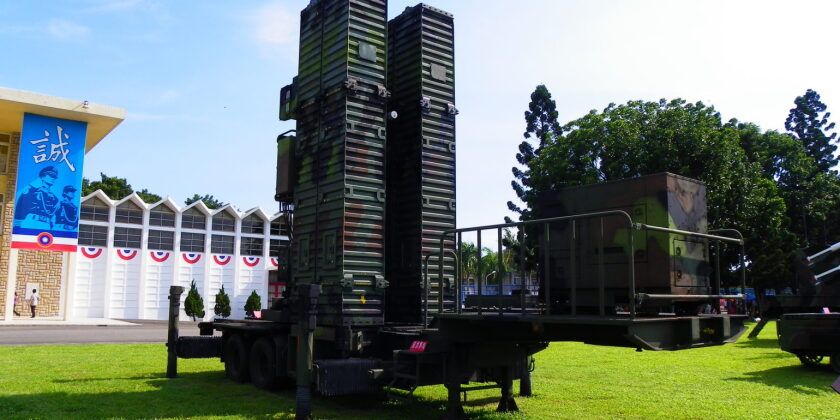
Preceding the development of the Hsuan-Chieh, the National Chung-Shan Institute of Science and Technology developed the Pan-Shih electronic warfare vehicle which was assigned to the Cyber and Information Corps. It was developed to protect combined arms battalion headquarters from electronic countermeasures and to detect and counter suspicious radio wave sources on the battlefield. The Hsuan-Chieh has similar a performance to the Pan-Shih vehicle, but was designed to be directly assigned to combined arms brigades and attached to combined arms battalions. The new vehicle has reportedly already been put through extensive field testing and third-party verification of new communications, communications, and electronic warfare equipment and systems. Testing has focused on ensuring that various systems, such as drones, air-to-ground communications, and radar intelligence, ensuring the systems perform their combat functions in actual combat environments.
According to widespread interviews with Ukrainian personnel on the frontlines conducted by outlets such as the Wall Street Journal, U.S.-produced guided weapons such as the Excalibur artillery round have seen their effectiveness seriously undermined due to Russian electronic warfare jamming their guidance systems. The Washington Post, which cited Ukrainian officials to highlight that the United States had completely ceased deliveries of Excalibur guided artillery shells after Russian electronic warfare systems had rendered them ineffective, concluding that against modern electronic warfare systems: “the Excalibur technology in existing versions has lost its potential.”
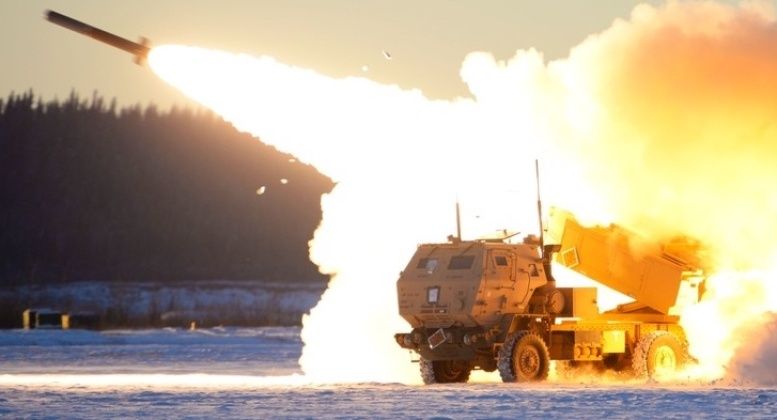
EMP task force scholar and former U.S. Department of Defence officer David T. Pyne observed that Russian electronic warfare systems "have proven effective at causing 90% of guided missile and drone systems supplied by the U.S. to Ukraine to miss their target, most importantly HIMARS [rocket artillery].” While the Chinese People’s Liberation Army is expected to focus on jamming HIMARS and other strike assets deployed by the Republic of China Armed Forces, electronic warfare systems like the Hsuan-Chieh could seriously complicate mainland Chinese efforts to launch precision strikes and neutralise local air defences. The significantly more advanced electronics industries located on both sides in a Taiwan Strait mean that electronic warfare efforts are expected to be significantly more intense and sophisticated than those currently seen in Eastern Europe.
