
Republic of China Army Weaponises Taipei Road and Tunnel Networks in New Civil War Drills
Military Watch Magazine Editorial Staff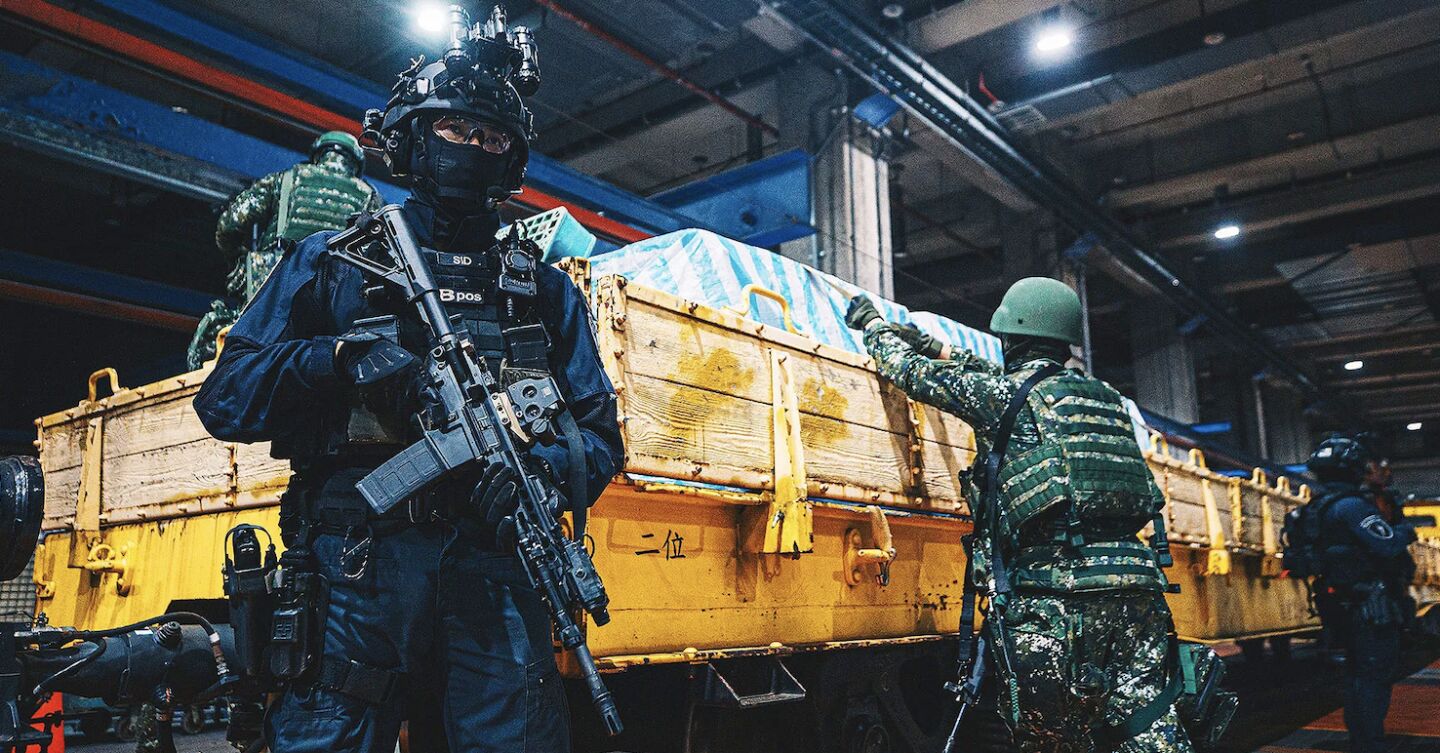
The Republic of China Army is increasingly building its defence strategy around a simple slowing and disrupting hostile advances using underground fortifications, as highlighted at the latest Han Kuang exercises. At the Hsuehshan Tunnel, a critical transportation link connecting Yilan on Taiwan Island’s east coast with the Taipei region, the Army military simulated blocking the tunnel to prevent a hostile force from using the route to advance toward Taipei. The exercise reflects a broader transformation in defence planning from attempting to defeat an invasion primarily through conventional force-on-force engagements toward a layered strategy of denial, delay and attrition.
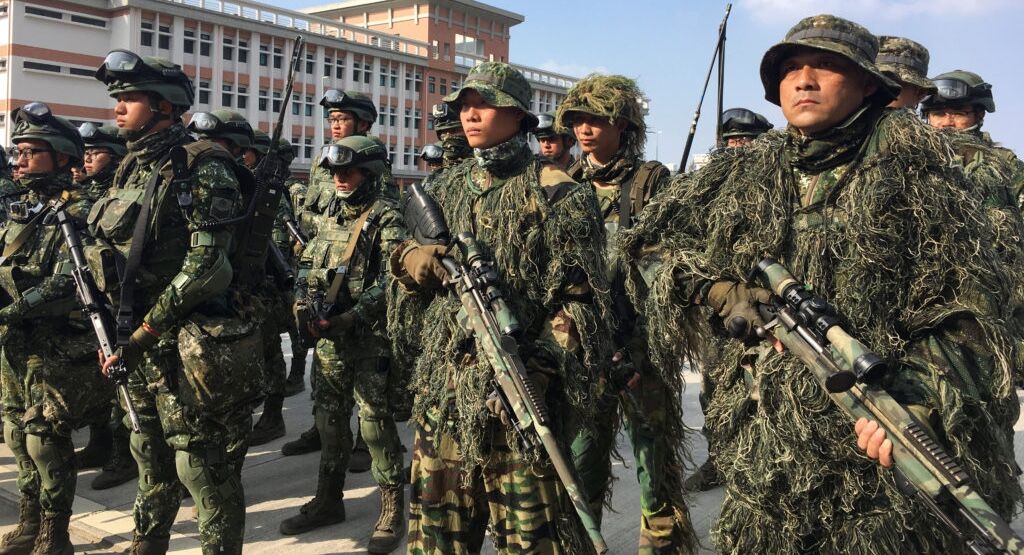
The Republic of China government based in Taipei and the People’s Republic of China government based in Beijing both claim to be the sole legitimate Chinese states, with the two having remained in a state of civil war for over 70 years. The Republic of China Armed Forces’ preparations for operations have been heavily focused on fighting this conflict should open hostilities resume. Countries across the Western world seeking to undermine the Chinese mainland have supported Republic of China forces in staging a military buildup.
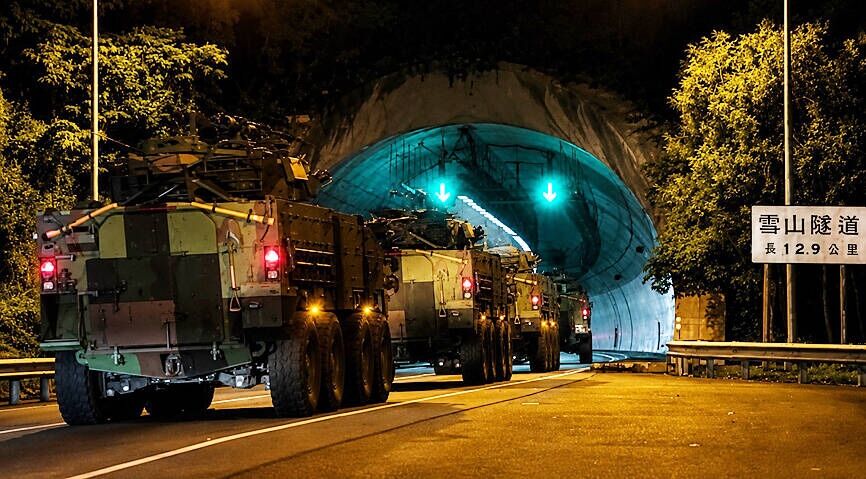
The geography of Taiwan Island, where the majority of Republic of China forces are based, provides a natural defensive advantage, but only if infrastructure and terrain are incorporated into military planning. A force establishing itself in northeastern Taiwan could potentially seek to use major transportation corridors, including the Hsuehshan Tunnel, to move toward the political and military centre of gravity around Taipei. Treating the highway not simply as infrastructure that must be protected, but as part of the defensive battlespace, could potentially be a game changer. During the Han Kuang exercise, personnel established multiple barriers and rehearsed emergency repairs and other measures designed to obstruct movement through the tunnel.
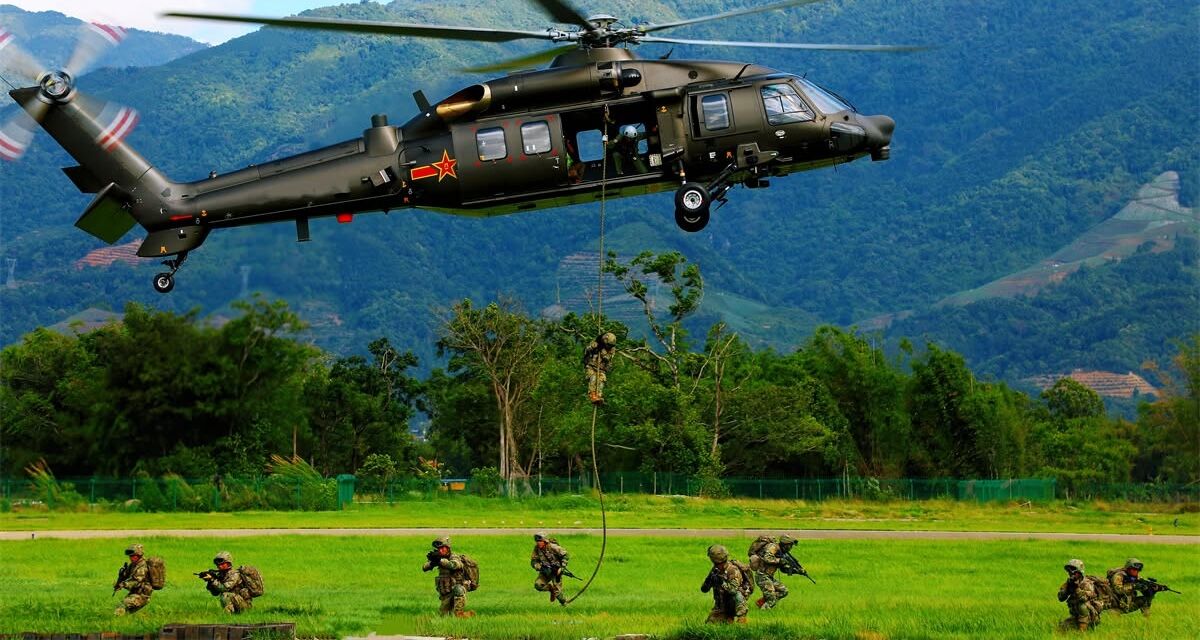
A tunnel, bridge, highway junction or mountain pass can become a chokepoint. Destroyed vehicles, barriers, damaged road surfaces and other obstacles can force an advancing force to stop or redirect. Every delay gives defenders additional time to mobilise reserves, reposition weapons and conduct attacks. The tunnel exercise is part of a much larger shift in military thinking, as while previous iterations of Han Kuang often emphasised defeating an amphibious assault near the coastline, forces are increasingly rehearsing what happens after an enemy establishes a foothold. The U.S. Naval Institute has described this evolution as a move toward defence in depth, with the Republic of China Armed Forces seeking to conduct a campaign of attrition and delay from the shoreline toward major urban centres rather than relying exclusively on defeating advancing hostile forces on a beach.
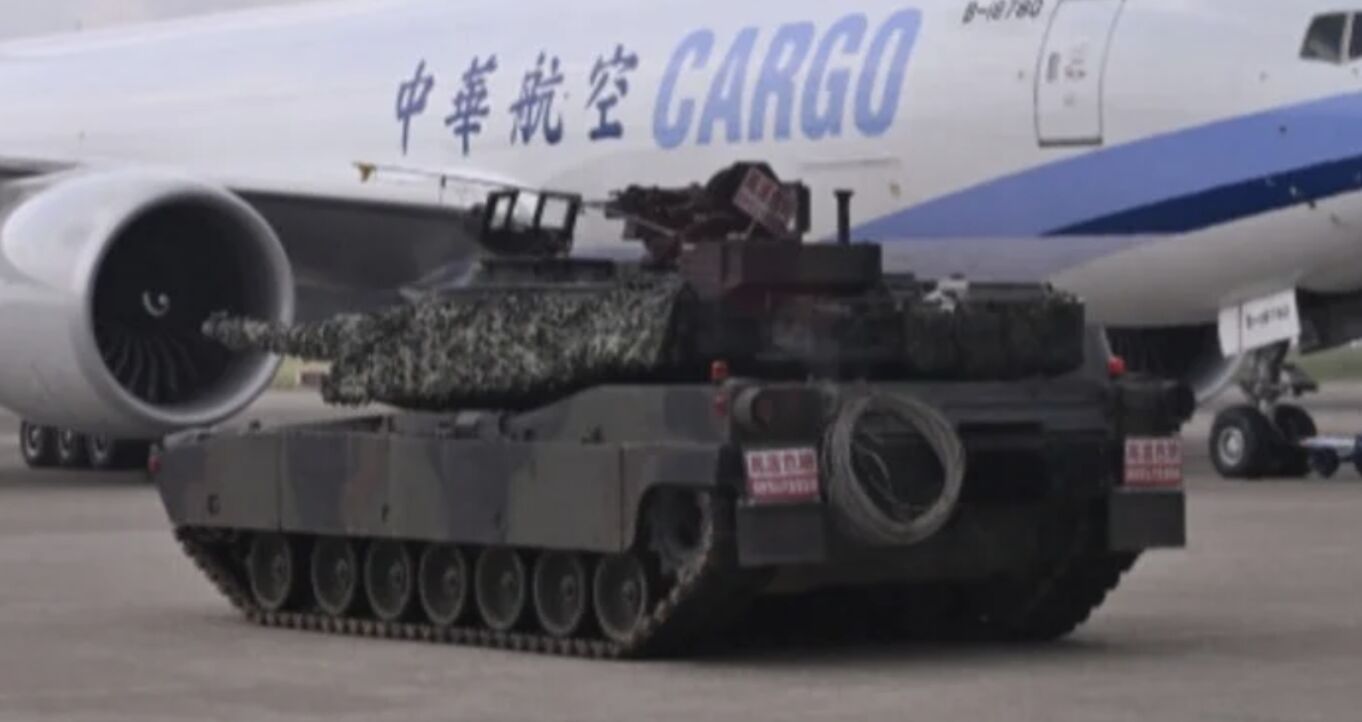
This year’s Han Kuang exercises have placed unusually heavy emphasis on civilian resilience. The Army conducted drills involving evacuations, underground medical facilities, supply distribution and even simulated mobile-internet disruption. More than 20,000 reservists are participating, while civilian factories and other resources are being incorporated into the broader defence effort. The growing role of drones fits naturally into the Army’s evolving strategy. During this year’s Han Kuang exercise, the Army demonstrated domestically developed medium-sized strike drones capable of loitering over the battlefield. The systems are intended to provide relatively inexpensive stand-off attack capabilities against approaching forces. Drones can be particularly valuable in a decentralised defence because they do not require Taiwan to risk expensive aircraft for every engagement.
