Republic of China Air Force Surges Investment in F-16 Fighters with Costly Viper Shield Electronic Warfare Suites
Military Watch Magazine Editorial Staff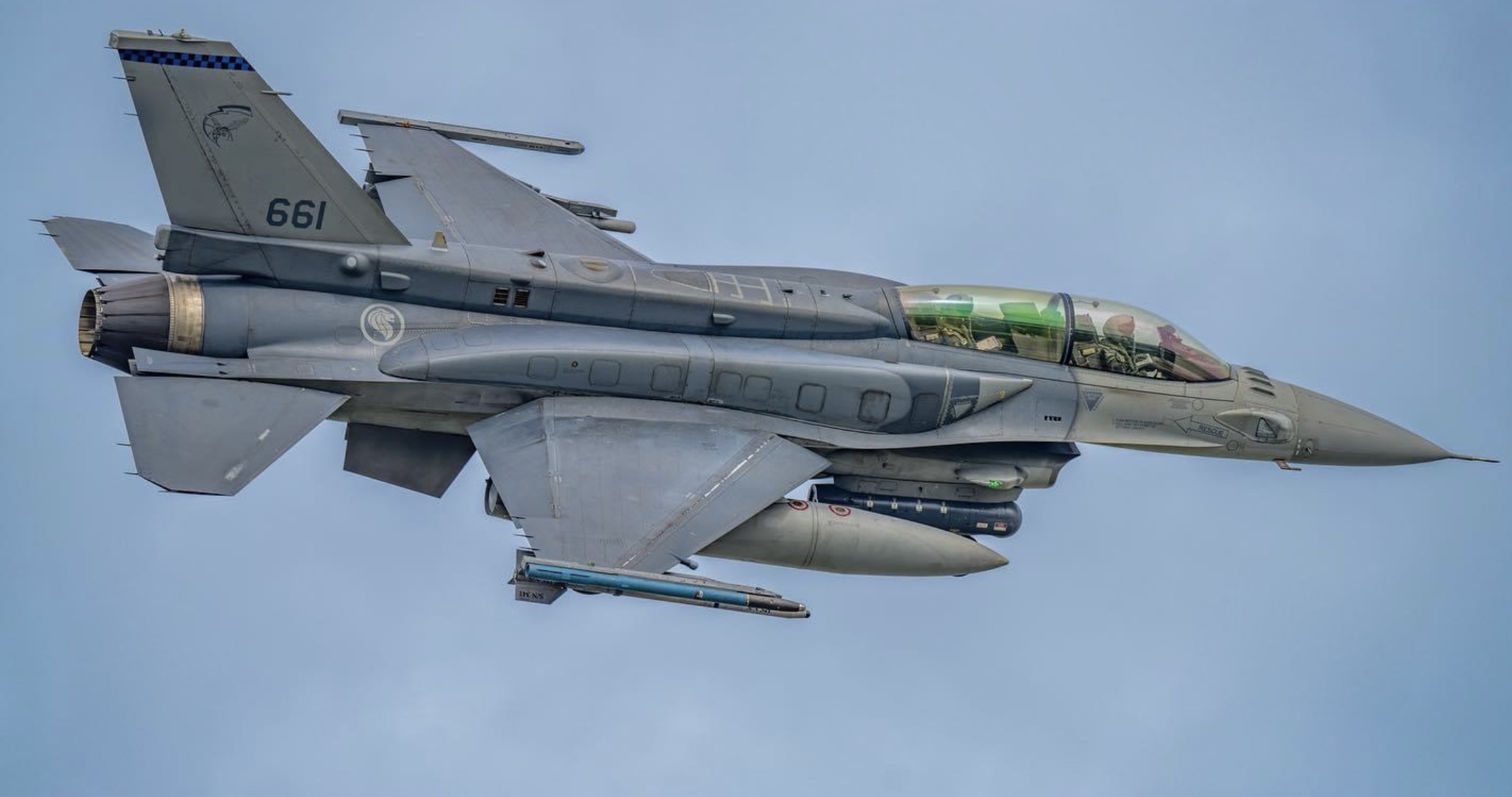
F-16 Fighter
The Republic of China Ministry of National Defense has increased the budget for its new F-16 Block 70 fighter fleet by approximately 19 percent, allocating an additional NT$42.8 billion (U.S. $1.4 billion) to provide all 66 aircraft with the AN/ALQ-254(V)1 Viper Shield electronic warfare system. The additional allocation will cover electronic warfare equipment for the 44 aircraft not included in the original procurement budget, as well as associated munitions, support equipment and storage facilities. The funding raises the program’s total cost to NT$290 billion (U.S. $8.8 billion), or approximately $133.3 million per fighter, and is intended to ensure that the fighters can enter service with a consistent electronic warfare capability.
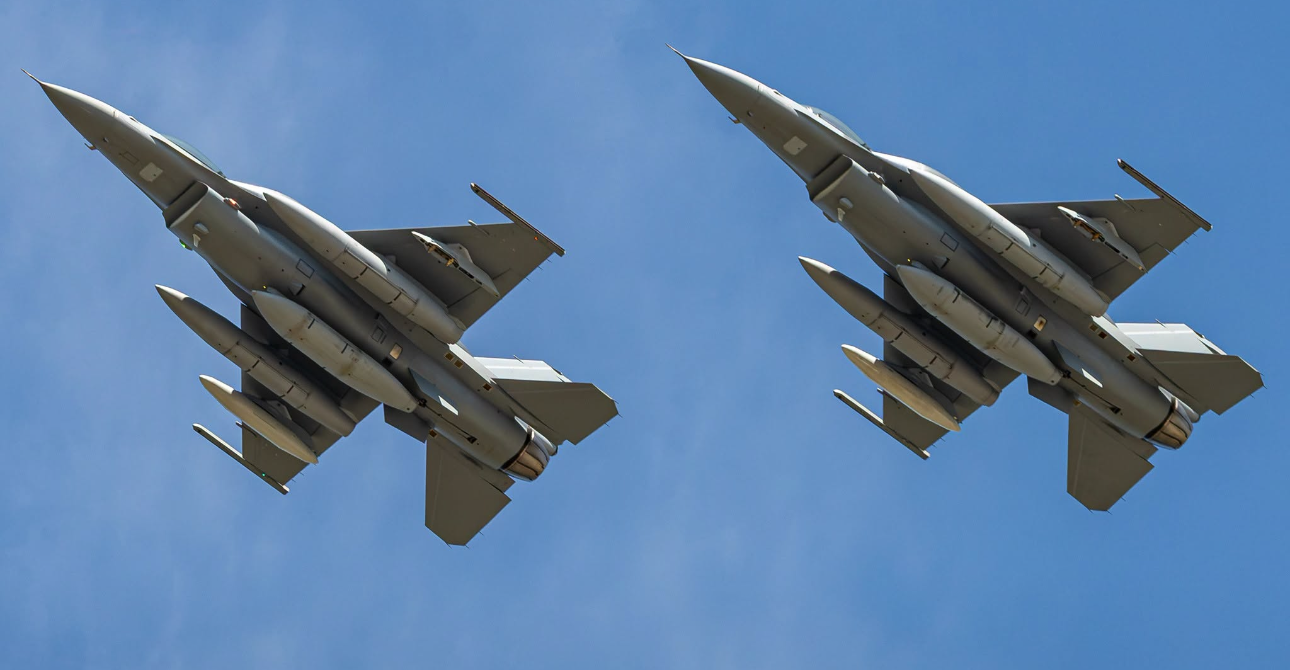
Developed by U.S. defence contractor L3Harris Technologies, the AN/ALQ-254(V)1 Viper Shield was designed to detect and counter hostile radar and electronic signals, it is intended to improve pilots’ awareness of the electromagnetic environment and help them respond to threats. The system will operate alongside the F-16’s AN/APG-83 active electronically scanned array radar and other onboard sensors, strengthening the aircraft’s ability to identify and respond to threats in contested airspace. The original NT$247.2 billion budget reportedly provided for electronic warfare equipment for only 22 fighters, or one-third of the order, with the Defence Ministry having stressed that the expanded provision is intended to allow the aircraft to undertake air-defence missions upon delivery and acceptance. It will also improve their effectiveness across different phases of combat.
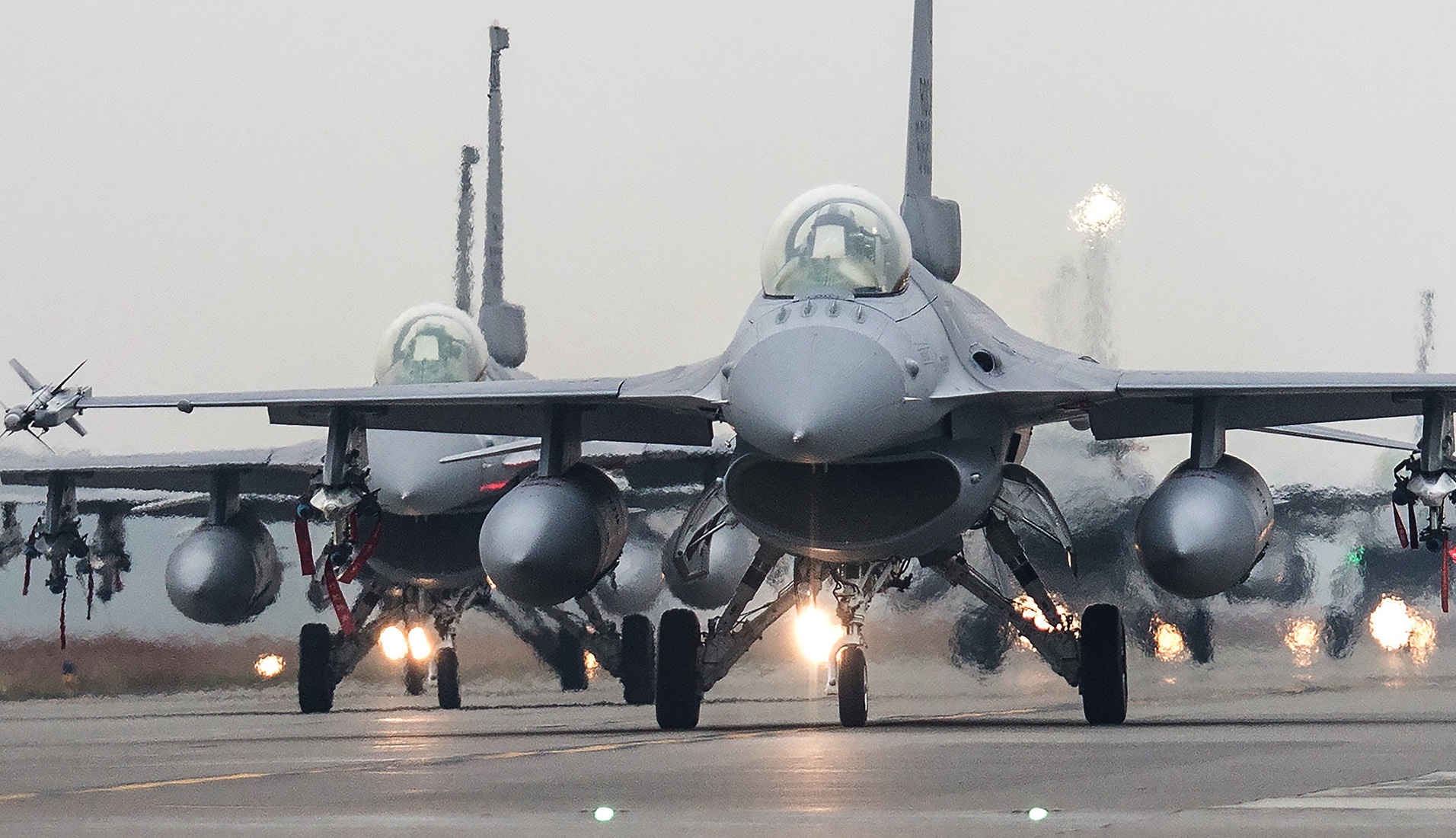
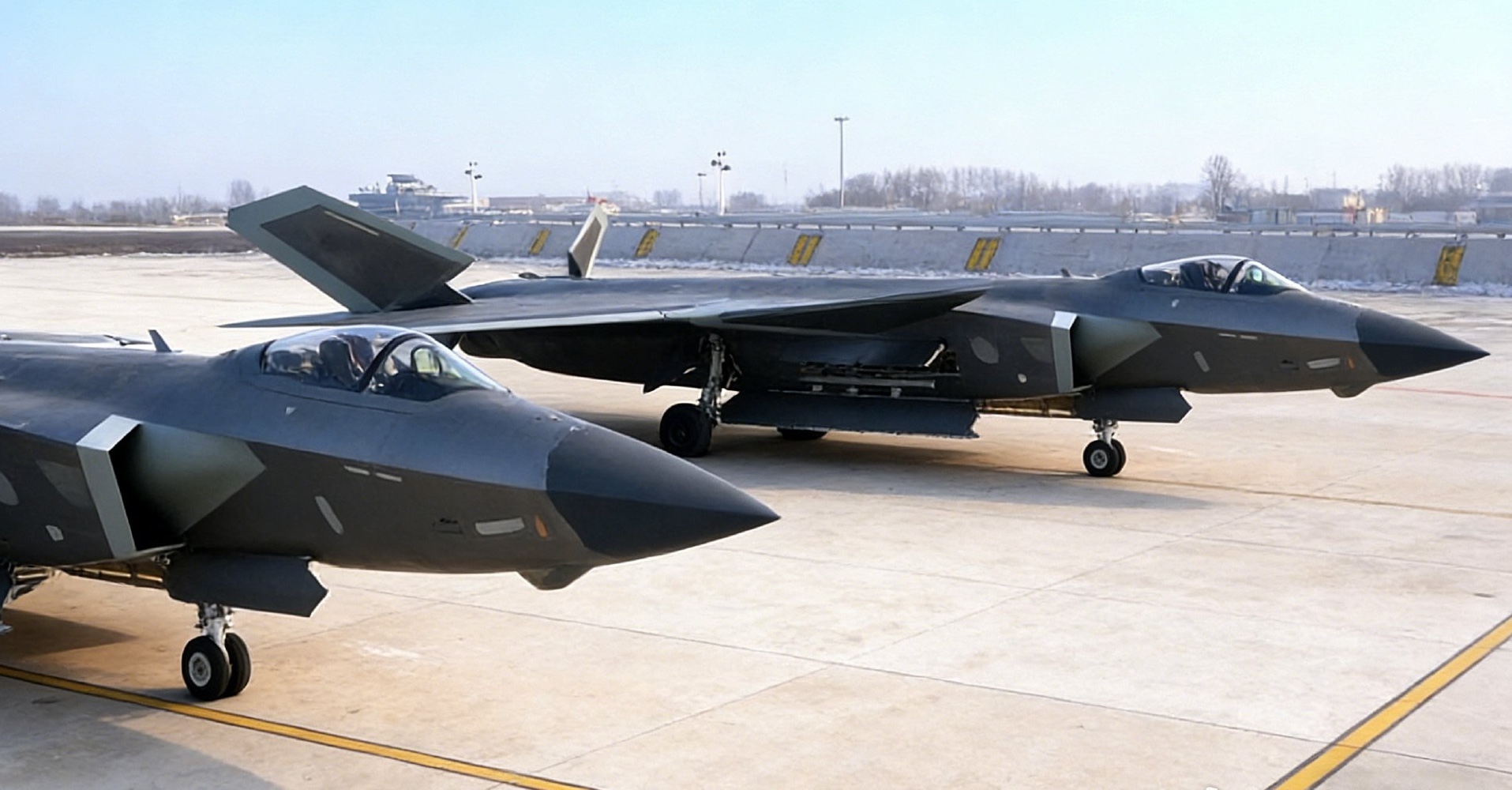
Electronic warfare capabilities are particularly critical for the Republic of China Air Force’s F-16 fleet, as the aircraft lack stealth capabilities, and are based within targeting range of cutting edge air-to-air and surface-to-air missiles operated by the Chinese People’s Liberation Army Air Force, with which the Republic of China is in a state of civil war. These include advanced fifth generation fighters such as the J-20, and the PL-15, PL-16, and PL-17 which are considered among the world’s most capable air-to-air missile types. The F-16 is an ageing fighter design that first entered service in 1978, and even at the time was considered at the low end of NATO’s fighter inventories with procurements made primarily due to its low lifetime costs and ease of maintenance. The fighters are not expected to be survivable in the event of an open conflict in the Taiwan Strait between the two rival Chinese governments.
The Viper Shield program is not yet complete. Republic of China Air Force officials have acknowledged that some hardware has been installed on aircraft already delivered, but the software required to operate the system remains under development. Defence Minister Wellington Koo has said hardware and software testing, along with integration into the fighters’ onboard systems, is proceeding according to schedule. The remaining development and integration work will be important in determining when the aircraft can make full use of their intended electronic warfare capability. While development continues, the fighters must still undergo acceptance, testing, crew training and integration into operational units, with major delays producing the aircraft having ensured that they will only become fully operational well over a decade after being ordered.