
Republic of China Air Force Investing in Massive Underground Fortifications for its U.S.-Supplied F-16 Fighters
Military Watch Magazine Editorial Staff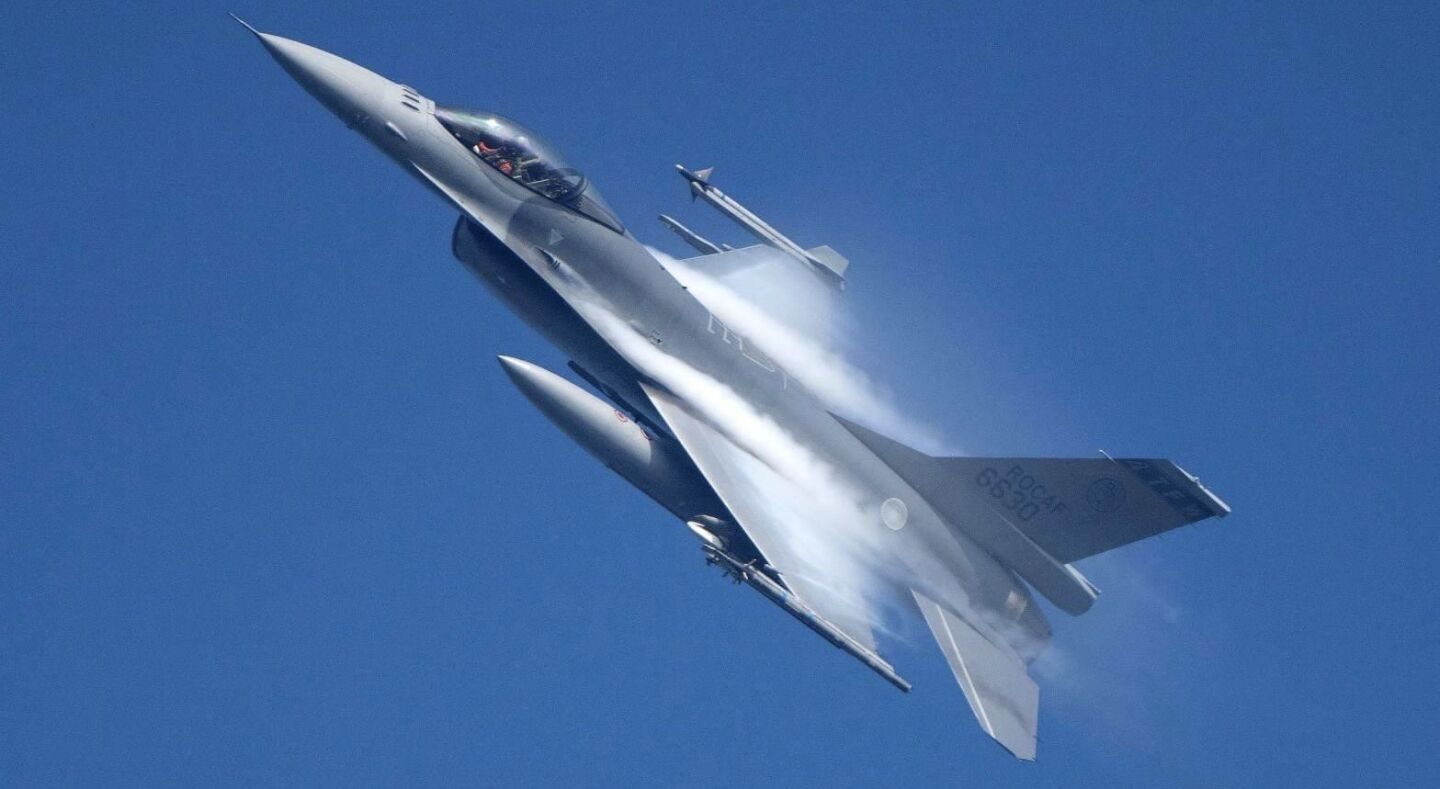
Republic of China Air Force F-16
The Republic of China Air Force is planning a major expansion of its hardened aircraft shelter infrastructure on the east coast on Taiwan Island, with 26 new shelters planned in Hualien and Taitung as the service prepares to receive 66 newly built F-16C/D Block 70 fighters from the United States. The project, valued at approximately NT$6.88 billion (U.S.$218 million), is intended to improve the survivability of the fighter fleet against potential missile and air attacks. The F-16 has formed the backbone of the Air Force’s combat fleet since the late 1990s, forming two of its six squadrons, with this expected to rise to three after the new F-16s complete deliveries in the early 2030s.
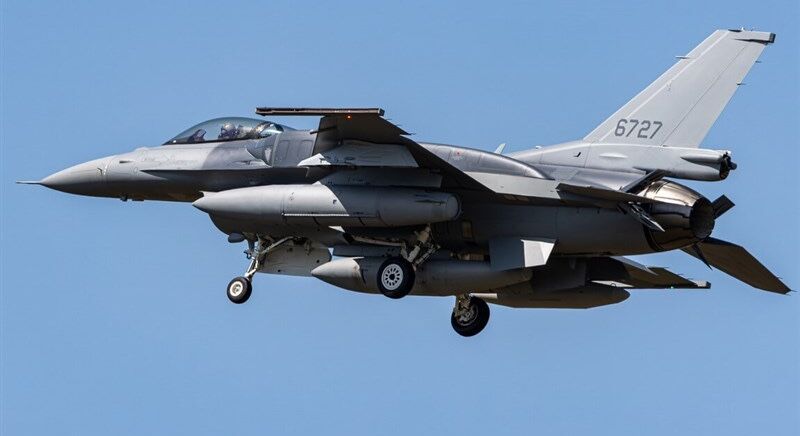
The construction programme will provide 22 hardened shelters at Chiashan in Hualien and another four at Shizishan in Taitung. The shelters are scheduled to be developed between 2027 and 2031, with detailed design, tendering and contract awards planned for 2028 and 2029 before major construction begins in 2030. The expansion is closely linked to the acquisition of 66 new F-16s, with the Air Force expected to concentrate approximately 110 to 120 F-16son the east of Taiwan Island. These would comprise the new Block 70 aircraft at Chihhang Air Base in Taitung together with approximately 50 to 60 upgraded F-16V Block 20s currently operated by the 5th Tactical Fighter Wing in Hualien.
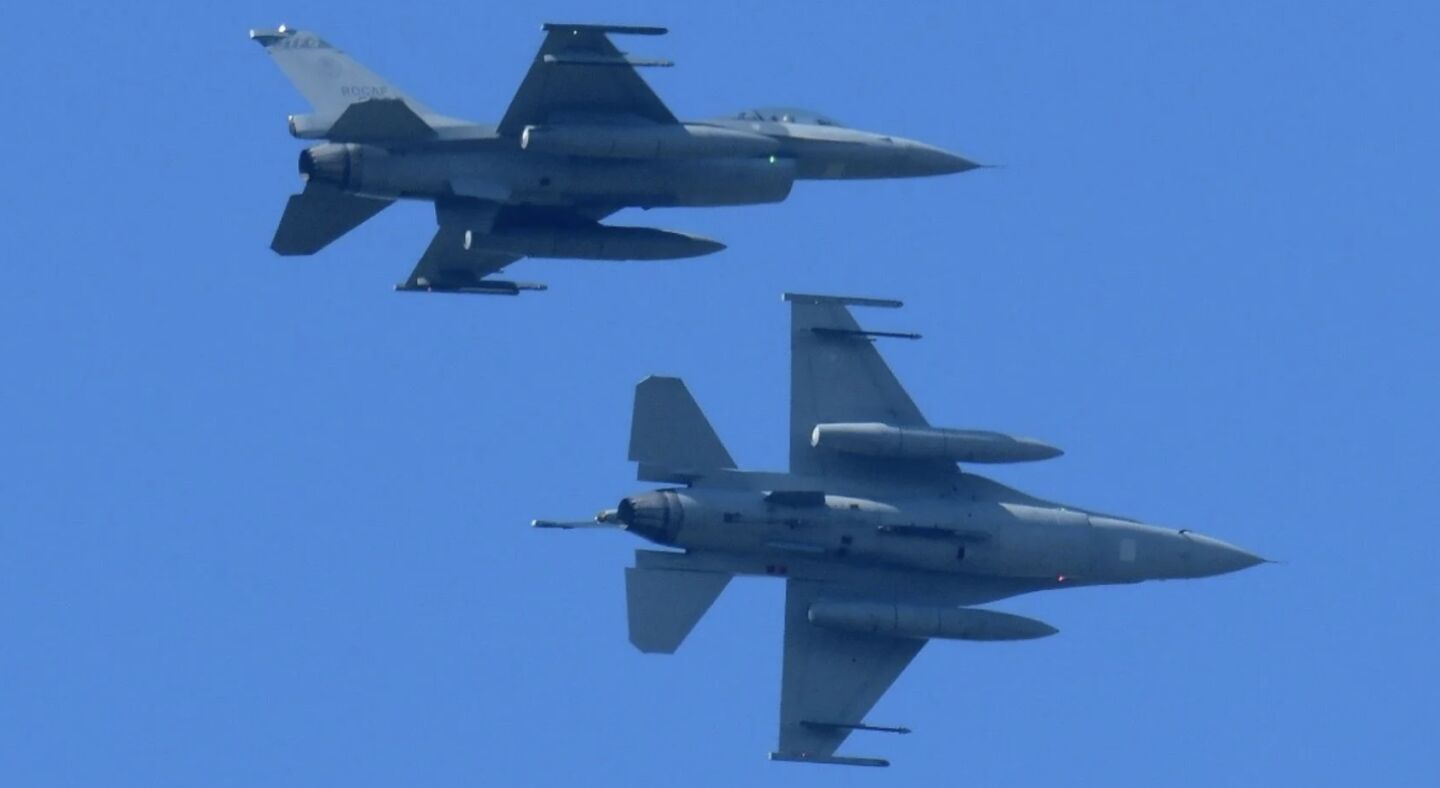
The concentration of such a large number of F-16s in eastern Taiwan reflects the strategic importance of the Central Mountain Range in protecting the island’s air power. The Air Force’s western air bases are considerably more exposed to ballistic and cruise missile attacks across the Taiwan Strait, while facilities on the eastern side of the mountain range are more difficult to strike directly and can provide greater opportunities for aircraft to survive an initial attack. Chiashan is particularly important in this regard. The facility, constructed inside the mountains near Hualien, is largest underground aircraft shelter on Taiwan Island and can reportedly accommodate around 250 fighter aircraft. Its underground facilities and ammunition storage areas are protected by the surrounding mountains and were specifically designed to provide aircraft with protection against bombardment.
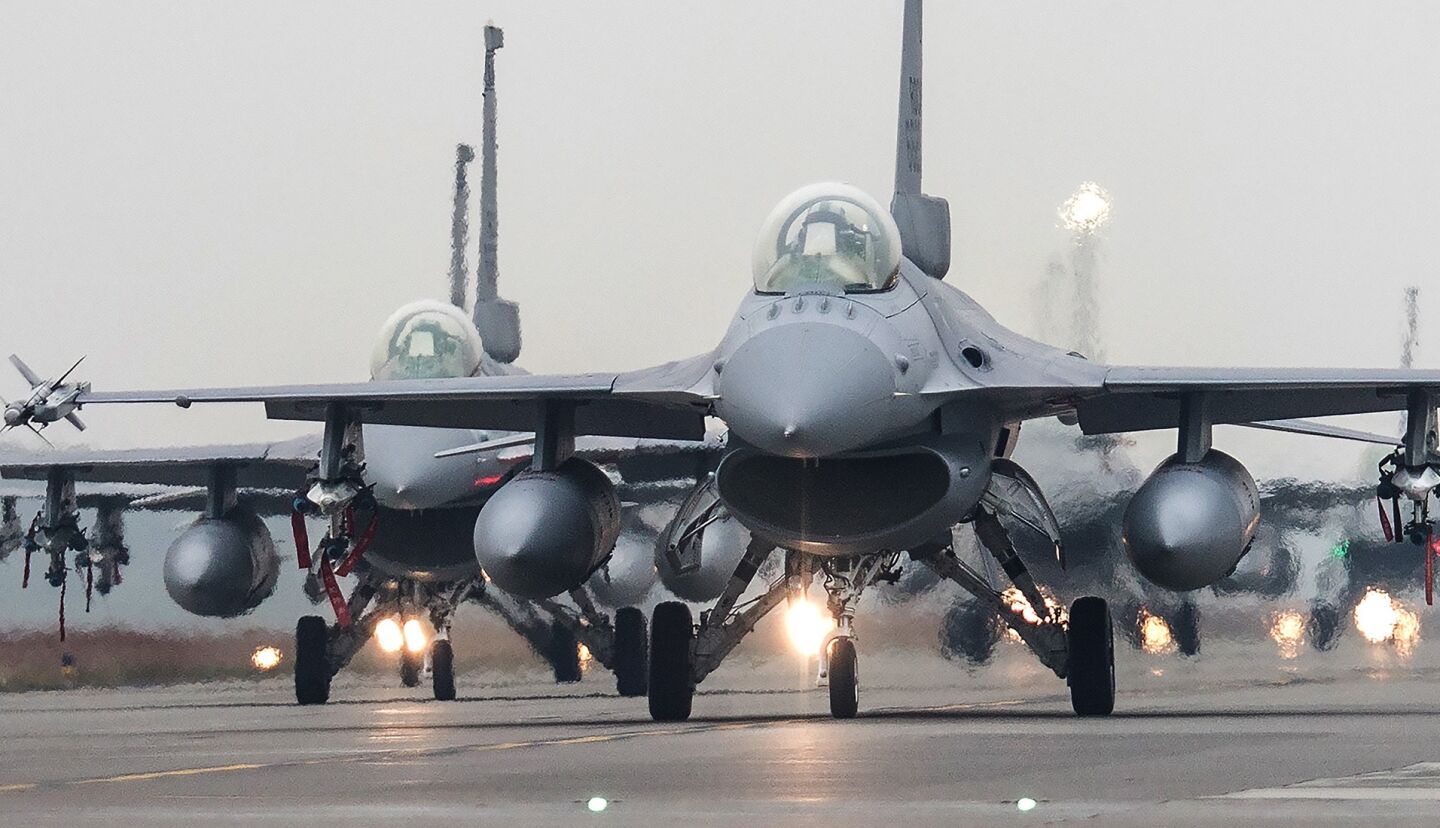
The Republic of China Air Force is also planning a separate NT$3.57 billion (U.S.$112.5 million) programme between 2027 and 2031 to modernise ten major systems inside Chiashan. These include power supplies, ventilation and air conditioning, elevators, security doors, fire protection, water and drainage systems, instrumentation and control equipment. The upgrades are intended to address the ageing of infrastructure that has been operating for more than three decades while improving the facility’s ability to withstand chemical, biological, radiological and nuclear threats as well as electromagnetic pulses. The new shelters are being developed under a “one aircraft, one shelter” policy intended to ensure that sufficient numbers of combat aircraft remain protected even during a sudden attack.
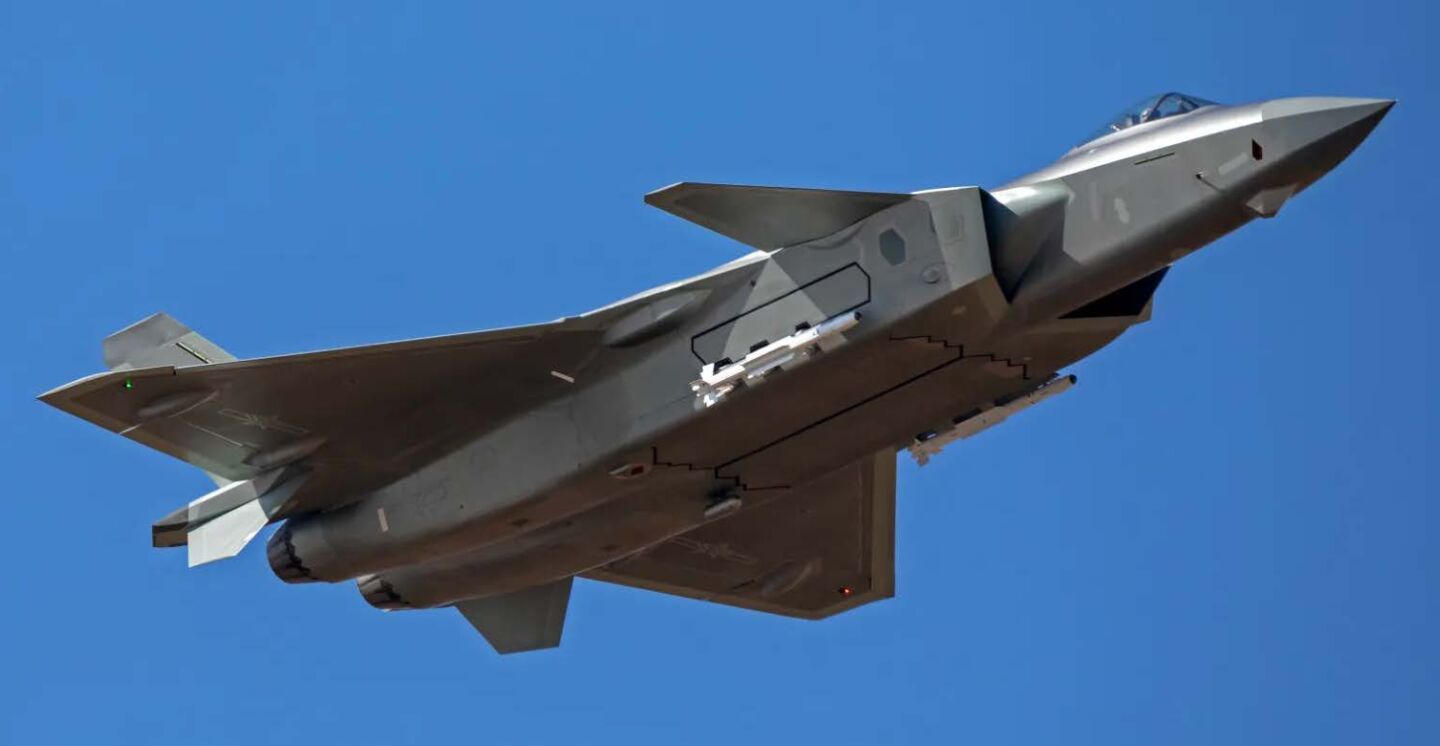
The Air Force has said that the number of aircraft expected to operate from eastern bases, together with the protection provided by existing shelters, requires a reassessment of the current infrastructure. The timing of the project is particularly significant given the growing capabilities of the Chinese People’s Liberation Army (PLA), which is formally in a state of civil war with the Republic of China. PLA forces have developed extensive capabilities for striking air bases, including large inventories of ballistic and cruise missiles, while they has itself invested heavily in hardened aircraft shelters, underground facilities and measures designed to allow airfields to continue operating after sustained attacks. A recent study published by the U.S. Marine Corps University noted that the PLA Air Force has more than doubled the number of hardened aircraft shelters at its airfields while also expanding taxiways, ramp space and airfield-reconstitution capabilities.
