
Rafale vs. Fighting Falcon; Prominent Indian Air Marshal Claims French Jet Would Have Destroyed Pakistani F-16 Fleet - But Could it?
Military Watch Magazine Editorial Staff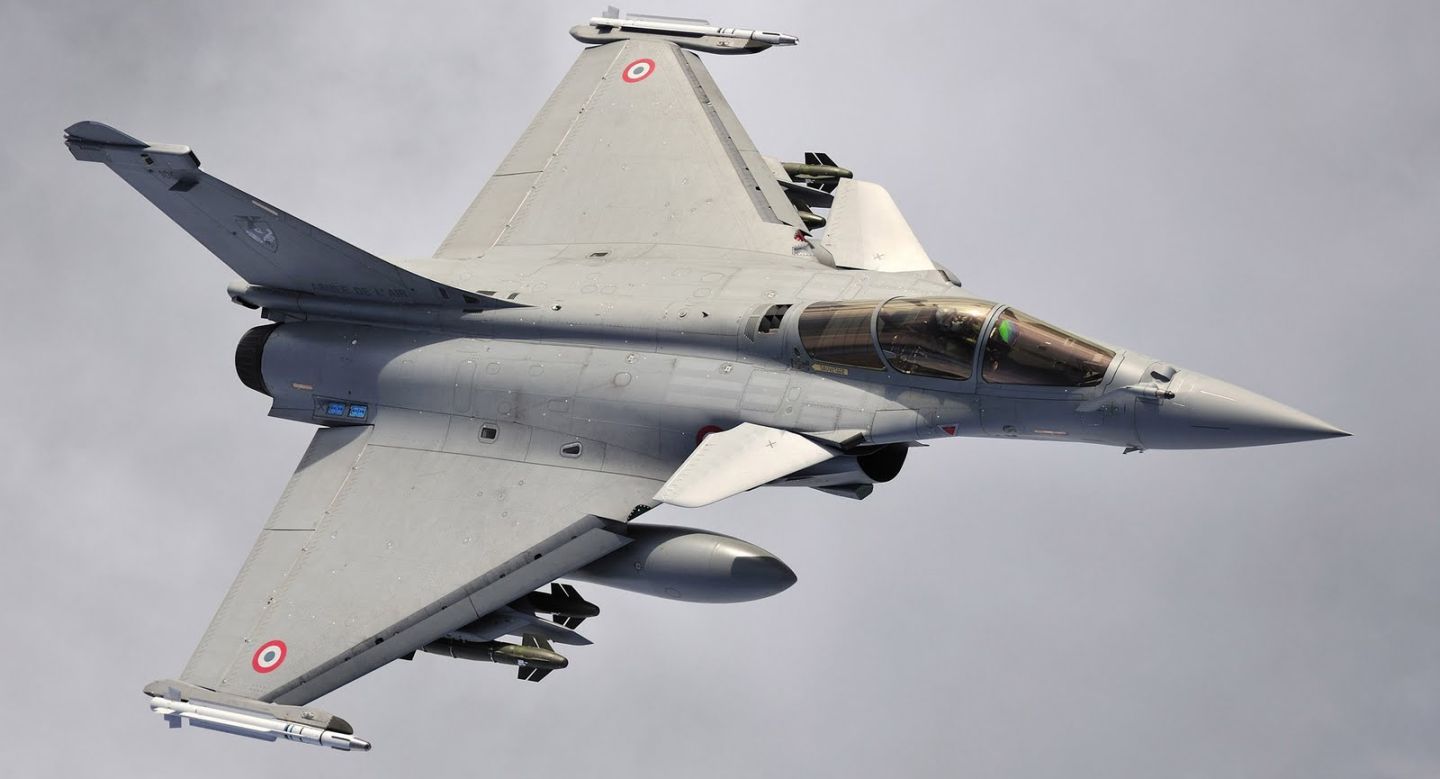
Dassault Rafale
India’s former Chief of Air Staff, Air Marshal A. Y. Tipnis has claimed that if the country’s Air Force had deployed French Rafale fighters in late February it would have turned the tide and ensured that at least half of the 24 Pakistani jets, which he alleged were attacking Indian targets, would have been destroyed. “The aim of the 24 Pakistan jets was to attack the Srinagar, Awantipora base. If India had had Rafale at that time, the IAF would have destroyed at least 12 of them. Rafale will boost the morale of the IAF,” he said. The acquisition of the Rafale has been highly controversial in India, with corruption considered major factor in facilitating the contract with French manufacturers. The fighters are both extremely costly and in many ways far less capable than those already serving in the Indian fleet - set to be very possibly the slowest fighter in the Indian Air Force. Whether the Rafale could engage the F-16 with an overwhelming advantage, as has been repeatedly claimed, is open to serious question.
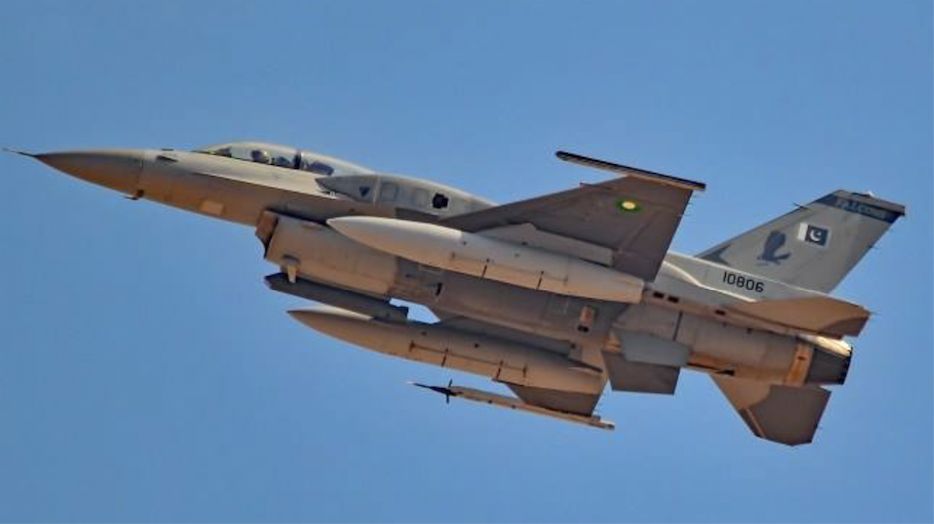
As has been repeatedly observed since the early Cold War years, French aircraft have considerable difficulty keeping up with their American and Russian built analogues - in part due to France’s far smaller budget for research and development and the far smaller scale on which the jets are manufactured which seriously limits the potential of its aircraft relative to the major powers. The Rafale is no exception, and even though it entered service thirty years after the F-16 its capabilities in many ways leave much to be desired. The Rafale’s engines, the Snecma M88, are considerably less sophisticated or powerful than those on the F-16 despite entering service over thirty years later - which combined with the Rafale’s greater weight gives it a lower thrust/weight ration to the Fighting Falcon despite its twin engine configuration. The fighter’s speed is restricted to Mach 1.8, making the Fighting Falcon considerably faster, and combined with their roughly equivalent (both low) operational altitudes of little over 15km it allows the F-16 to impart considerably more energy onto misisiles it fires than its French counterpart.
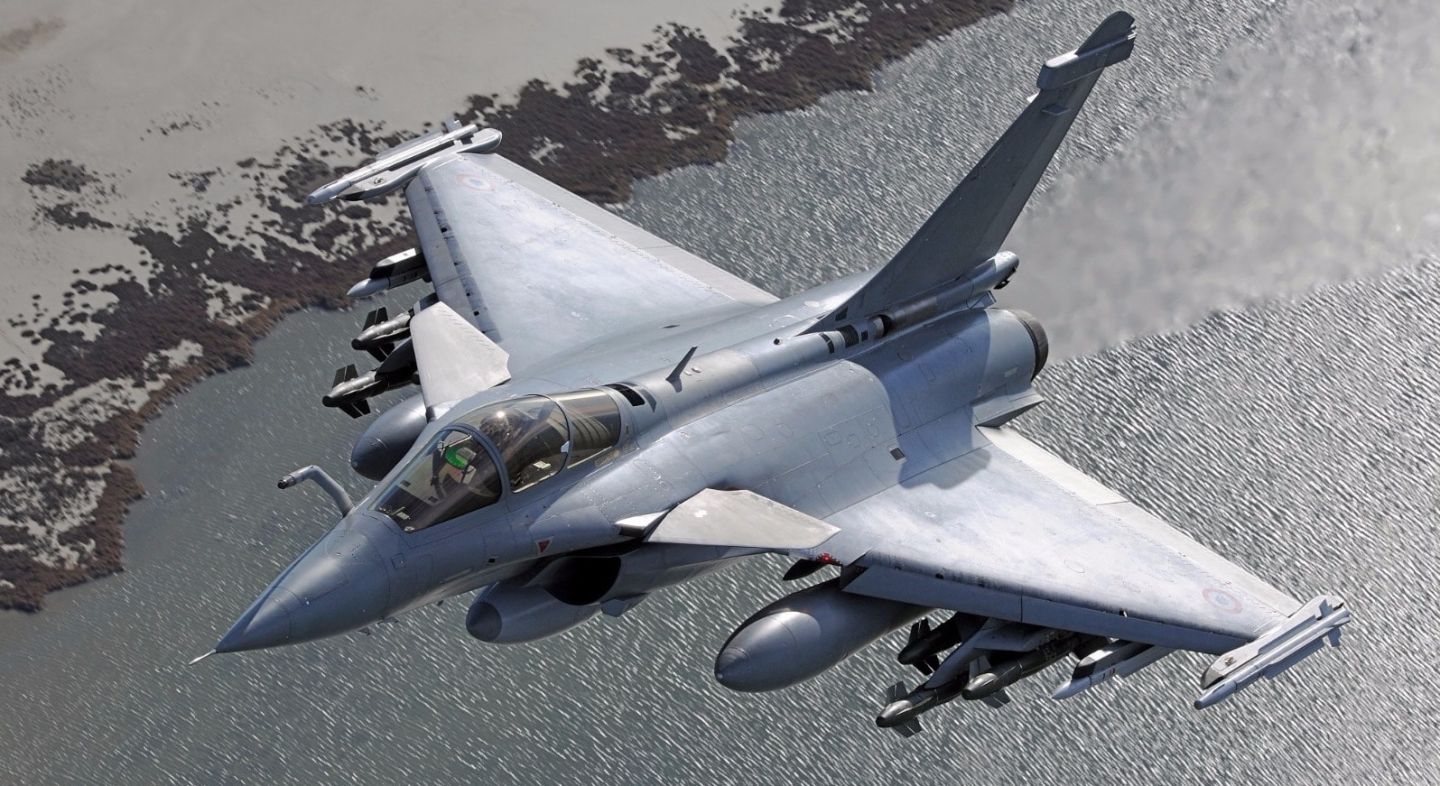
Although the Rafale’s maintenance requirements are low by the standards of twin engine jets, they are still thought to exceed those of the Fighting Falcon - a partial explanation for why such a considerable proportion of the French fleet is out of service. Perhaps the Rafale’s greatest disadvantage is its limited weapons arsenal, as without the enhanced Meteor missiles it is forced to rely on the ageing and rather poor MICA for beyond visual range engagements - as unlike its British-German analogue the Eurofighter it is not comparable with more sopyhciated American made munitions such as the AIM-120C. The more formidable Meteor air to air missile has yet to enter widespread use, still in its late development stages, and is yet to be confirmed for export. Export variants of the missile are, regardless, expected to be considerably downgraded relative to their counterparts reserved for European use. Compared to the AIM-120C used by the F-16 the MICA leaves much to be desired, and while the Rafale can carry more of them they lack the range or sophistication of their U.S. manufactured counterparts.
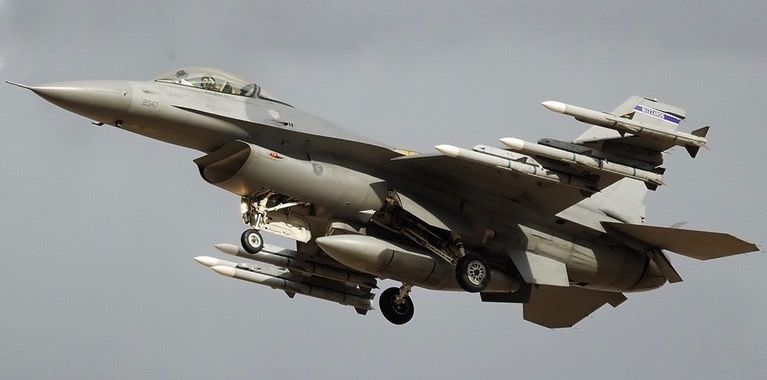
The Rafale certainly does retain a number of considerable advantages over the Fighting Falcon - as is expected from a fighter which comes at such a high price. While its sensors are impressive, with its AESA radar and IRST granting a very high level of situational awareness, they are of limited use when paired with missiles of such limited ranges. The French fighter’s electronic warfare systems are also considerably superior to those of standard F-16 variants (though still lagging when compared to enhanced variants such as the F-16I), which may well be its most considerable advantage. The Rafale’s longer range and higher weapons payload are also advantages in its favour. The fighter’s minor stealth modifications do provide a small reduction in its radar cross section, though the F-16’s smaller airframe may somewhat compensate for this given the limitations of French stealth technology. Should India’s Air Force seek a greater advantage over the F-16 with a more reliable jet however, it has at its disposal large numbers of MiG-29 and Su-30 medium and heavy combat jets. The MiG-29 retains advantages over the F-16 across the spectrum, deploying longer ranged air to air missiles and with far superior manoeuvrability, more powerful sensors, an IRST system and considerably higher speeds and altitudes. The Su-30MKI for its part compounds these advantages with a far higher weapons payload, extremely powerful sensors and supermanoeuvrability. Had either of these fighters been present to engage the Pakistani Fighting Falcons, engagements would have been very one sided. Whether former Air Marshal Tipnis is seeking to boost the beleaguered Modi government over the Rafale controversy, or whether he has failed to take into account the advanced capabilities of India’s existing fleet, remains uncertain.
