
Putin Visits Frontlines of Border Standoff with Japan: How Well Defended Are the Kuril Islands?
Military Watch Magazine Editorial Staff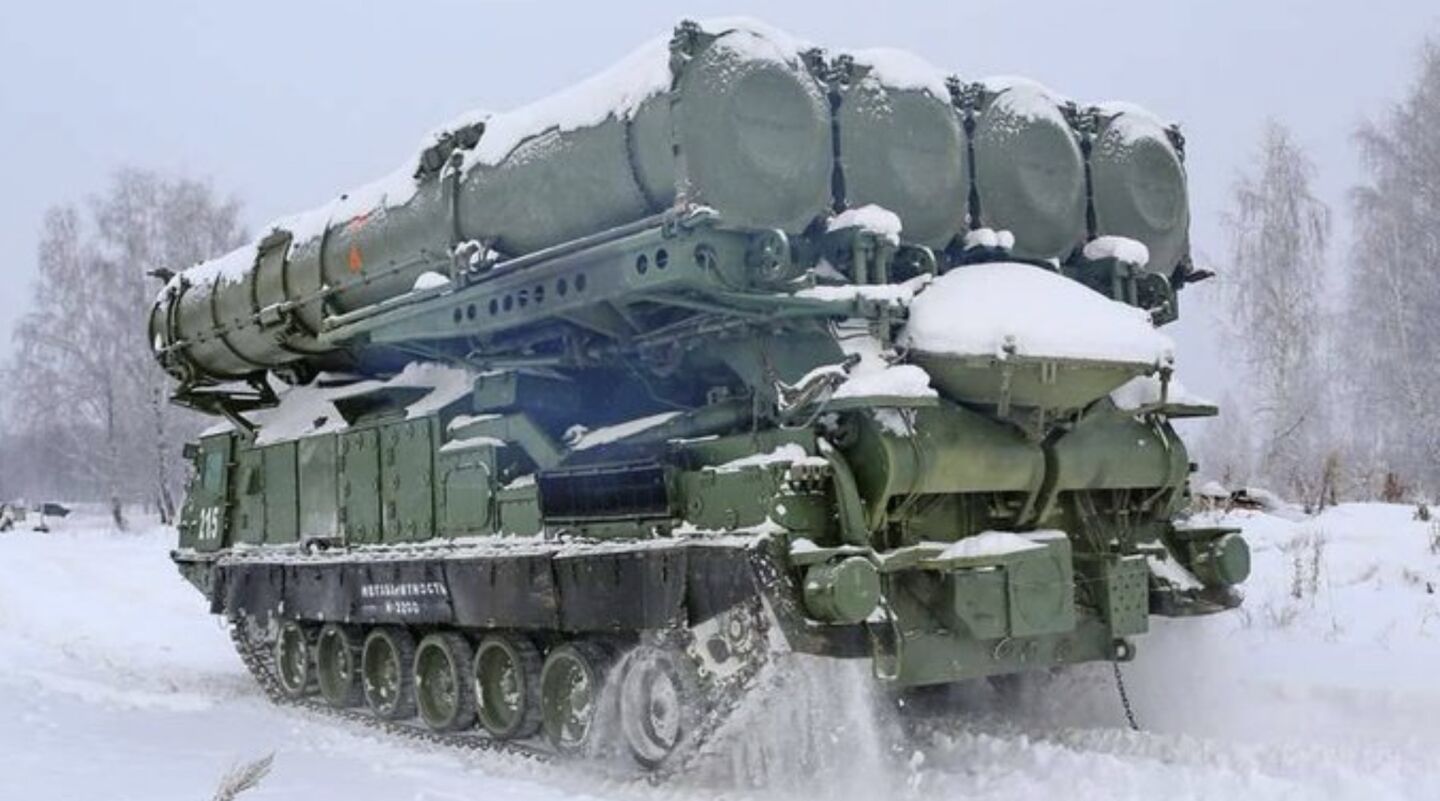
Russian President Vladimir Putin made his first visit to the disputed Kuril Islands on August 13, travelling to Iturup, one of the four southern islands claimed by Japan. The visit was highly symbolic, coming only two days before Japan’s August 15 commemoration of the end of the Second World War, and was used by Moscow to reinforce its assertion of sovereignty over the islands. The Kurils are also of major military importance, with Russia having over more than a decade transformed the islands from relatively lightly defended outposts, into a network of fortified positions equipped with coastal anti-ship missiles, ground forces, air-defence systems, military aviation infrastructure and naval facilities. The buildup is particularly significant because the southern Kurils sit immediately north of Japan’s Hokkaido and control approaches between the Pacific Ocean and the Sea of Okhotsk.
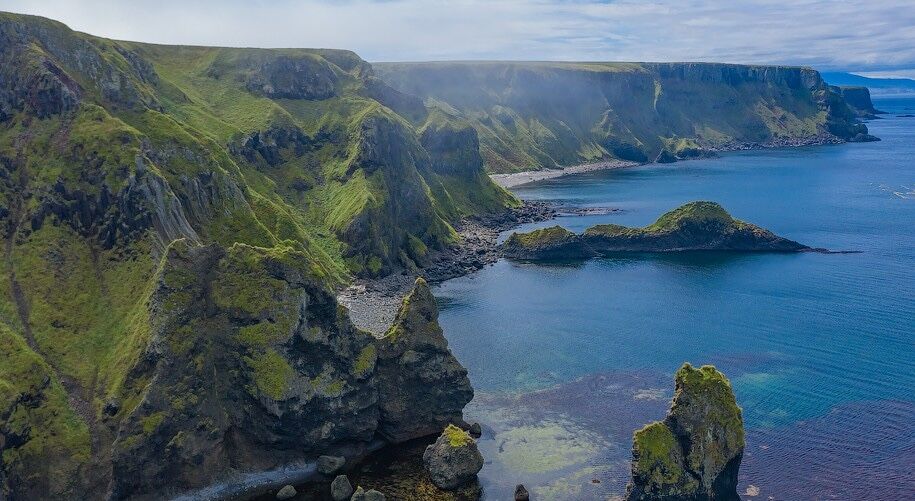
The principal Russian ground formation on the southern Kurils is the 18th Machine Gun-Artillery Division, subordinate to Russia’s 68th Army Corps of the Eastern Military District. Japanese Defence Ministry assessments estimate approximately 3,500 Russian military personnel are deployed across Iturup and Kunashir, with the division responsible for defending the islands against amphibious assault. The division’s headquarters are located at Goryachiye Klyuchi on Iturup, while elements are also stationed on Kunashir. Its structure is unusual compared with conventional Russian combined-arms divisions because it was specifically organised around the defence of isolated islands and combines machine-gun, artillery, motor-rifle and armoured elements.
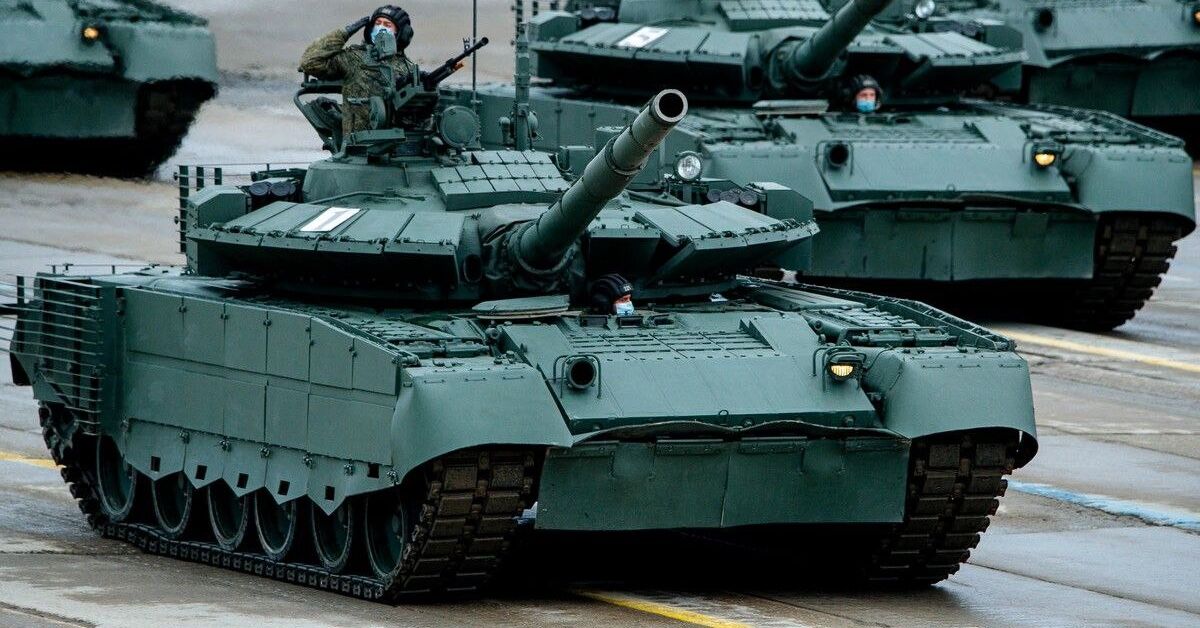
Japanese Defence Ministry information identifies the division’s 49th Machine Gun-Artillery Regiment on Iturup and 46th Machine Gun-Artillery Regiment on Kunashir. The force has been progressively re-equipped with modern systems, including tanks, self-propelled artillery, multiple-launch rocket systems, air-defence equipment and helicopters. T-80BVM tanks, which are in many respects the most mobile in the world and are well optimised to operations in extreme cold, have also been deployed to the Kurils. These ground forces provide a permanent territorial garrison, while also functioning as the core around which additional Russian forces could be deployed during a crisis.
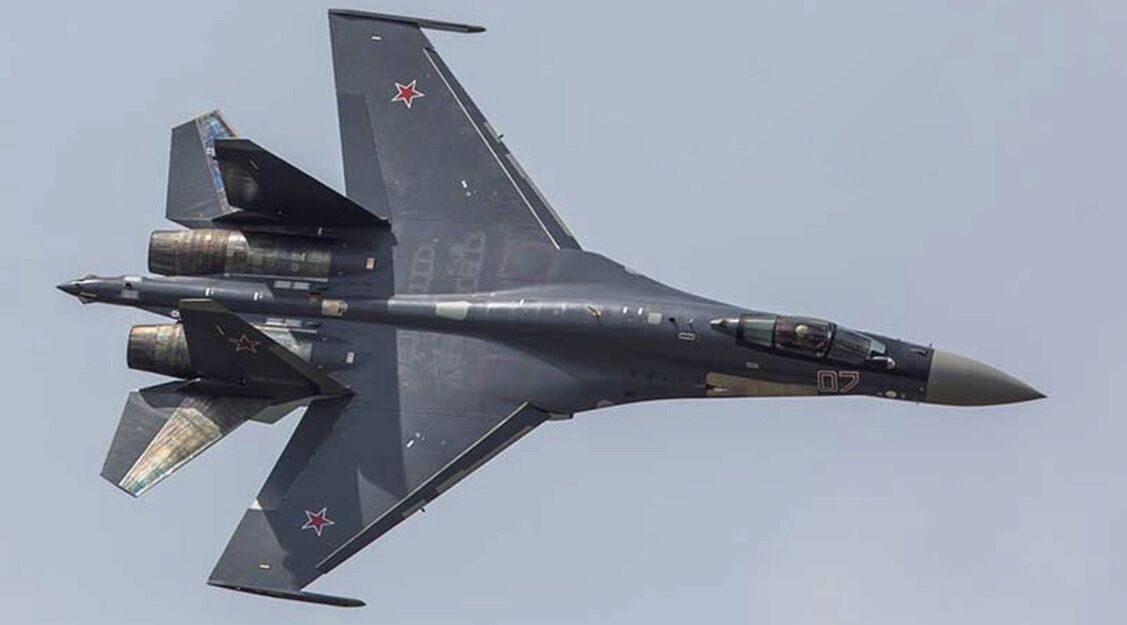
Iturup is arguably the most militarily important of the Kuril Islands, and as the largest of the four, it has considerably more space for military infrastructure. Russia has significantly modernised the military infrastructure around Burevestnik military airfield, while Iturup’s civilian airport has also been designated for dual military-civilian use. Japan’s Defence Ministry reports that three Su-35S air superiority fighters were deployed to the airport in August 2018. The facility allowed fighters to be operated much closer to northern Japan than would be possible from mainland bases. Even relatively small numbers of fighters can complicate Japanese air operations by creating another potential source of interception and surveillance. The island’s location also makes it useful for monitoring the northern Japanese approaches and the waters surrounding the Kuril chain.
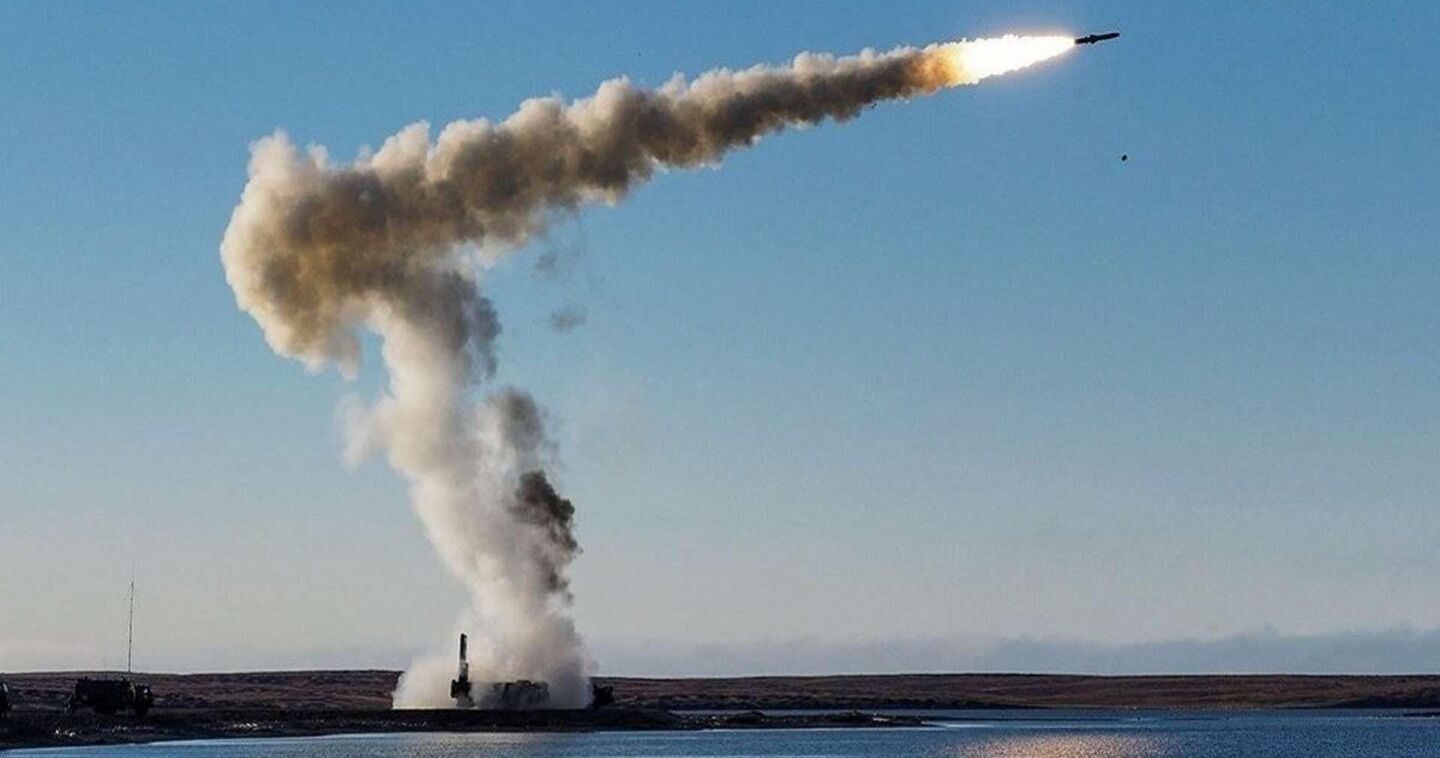
With the Russian Navy and Air Force presences in the country’s Far Eastern regions having declined very significantly since the disintegration of the Soviet Union, local defences have relied heavily on mobile ground-based missile systems. Bastion-P and Bal coastal defence systems were first deployed to the southern Kurils in the mid-2010s. The Bastion-P is designed primarily around the P-800 anti-ship missile, allowing for strikes on hostile surface vessels operating around the Kuril chain. The Bal system using the Kh-35 family of anti-ship missiles and provides another layer of coastal defence at shorter ranges.
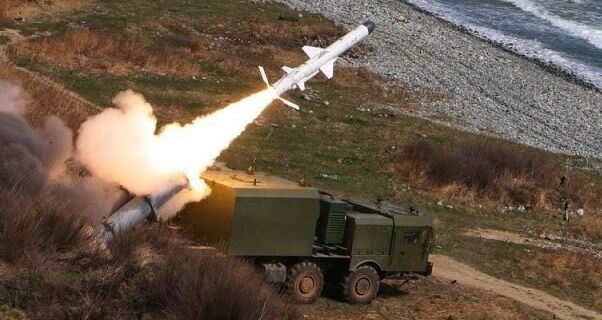
Coastal systems allow Russia to establish overlapping zones of anti-ship coverage around important islands and maritime approaches, potentially forming a barrier between the Sea of Okhotsk and the Pacific Ocean. In December 2021, Russia also announced the deployment of Bastion-P systems to Matua, a remote volcanic island in the central Kurils. The Russian Defence Ministry said the systems were intended to provide continuous monitoring of surrounding waters and straits. Personnel and equipment were transported to Matua by Pacific Fleet landing ships. It is expected that a new generation of coastal defence systems built around the Zircon hypersonic cruise missile, which has recently been combat tested in the Ukrainian theatre.
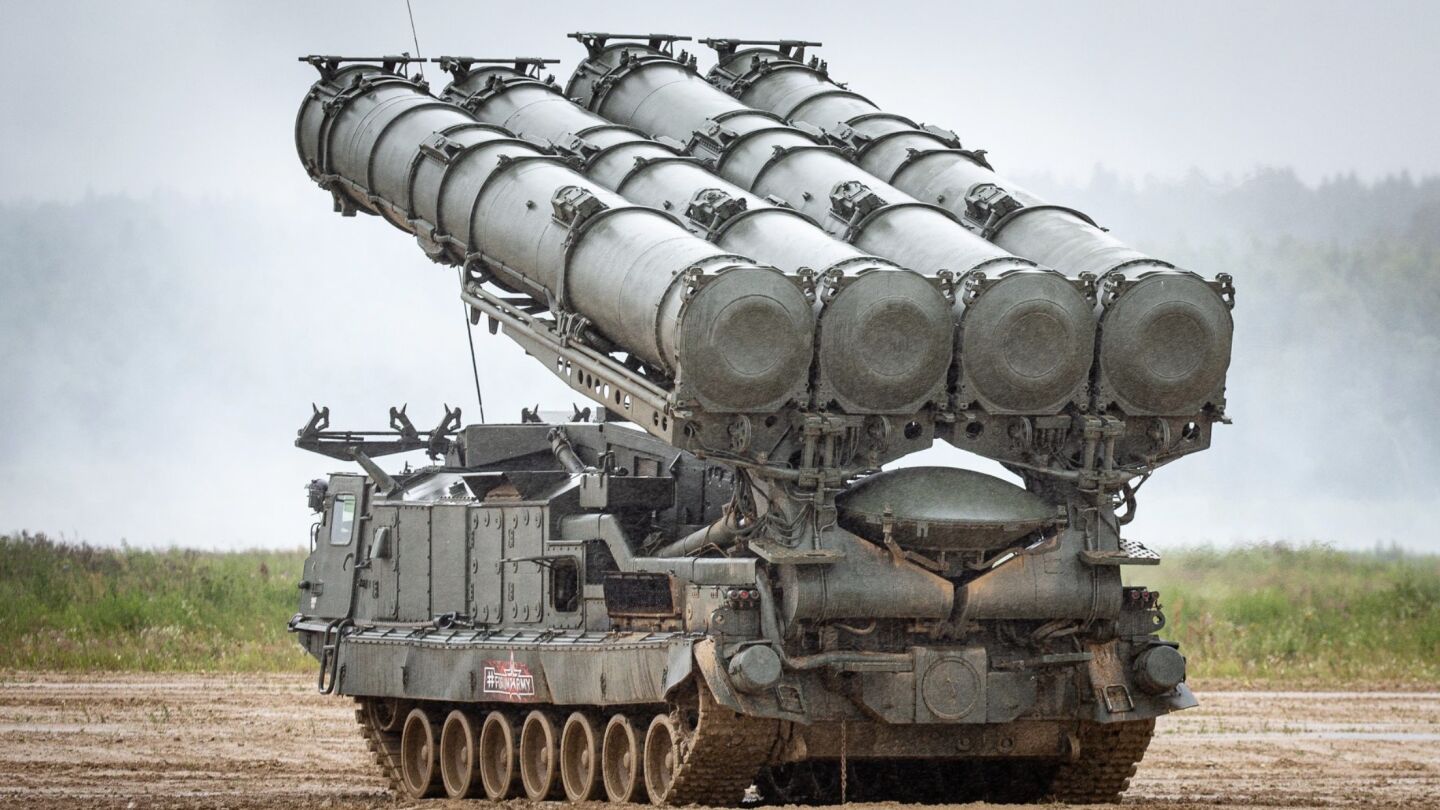
Local air defences are centred around the S-300V4, which is one of the three most modern long range multirole systems in service alongside the S-400 and S-500. Beginning deployment in 2020, the system benefits from higher mobility than any other long range system in the world, and uses tracked vehicles to be able to operate in all terrain alongside Army units. The system is technologically similarly advanced to the S-400, and by far the most advanced S-300 variant in service, with its 400 kilometre engagement range being outstanding. Like the S-400, it is thought to have recently been modified to integrate ballistic missiles. In 2021, Russia announced plans for 51 additional pieces of military infrastructure in the Kurils, with more than 30 buildings had already been completed since then. Further expansion of Russian force deployments in the region are considered likely, as Japan’s close geopolitical alignment with Western Bloc states, and hosting of growing Western force contingents, poses a growing challenge to Russian security interests.
