
Pushing for Unilateral Disarmament; Why the UN Peace Plan For Yemen Cannot be Accepted by the Country’s Anti Saudi Ansurullah Coalition
Military Watch Magazine Editorial Staff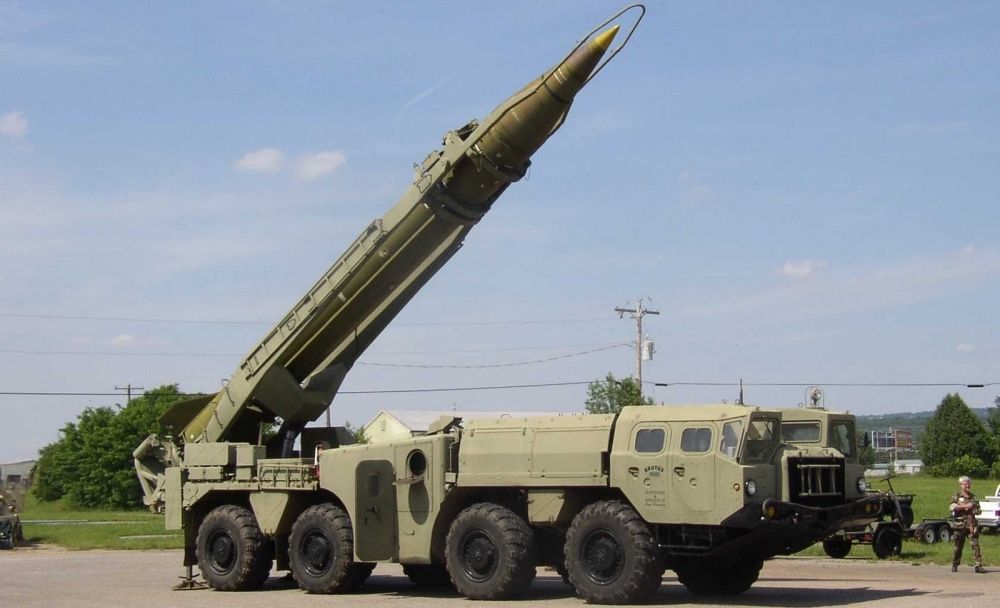
Scud B Ballistic Missile
With the ongoing war in Yemen having entered its third year in March 2018, and the Western backed Saudi led coalition gaining little ground and continuing to suffer heavy losses against the Yemeni Ansurullah Coalition forces, a number of analysts have speculated that Riyadh may well be looking for a face saving way to end the costly war effort. A number of Saudi Arabia's allies have abandoned the war since it first begun, forcing Riyadh to rely more heavily on mercenary forces to wage war on its behalf. A three year blockade on its impoverished neighbour by Saudi Arabia and its allies has reportedly left over 18 million Yemenis suffering severe malnutrition and starvation, while the war has so far claimed approximately 15,000 Yemeni lives and displaced over three million more - a humanitarian crisis dwarfing that of Syria.
With Saudi forces suffering increasingly heavy losses in both personnel and equipment, and with cities in Saudi Arabia and the United Arab Emirates frequently targeted by Yemeni ballistic missiles, disarming Ansurullah coalition forces has become a priority for Riyadh and its allies. The failure of U.S. made air defence systems to intercept relatively basic missile attacks using makeshift weapons platforms has become something of an embarrassment for the United States itself, which has escalated its involvement in the war effort on Riyadh’s behalf - deploying commands to Yemeni territory to seek out and destroy the Ansurullah coalition’s missile arsenal and thus eliminate their ability to retaliation to airstrikes by Saudi Arabia and its allies. Successful completion of this mission has yet to be reported.
The United Nations has recently made a ceasefire proposal which has been put forward as an effective means of deescalating the conflict - one which a number of analysts have noted is highly one sided and strongly favours the Saudi led coalition forces while making unilateral demands of the Ansurullah Coalition forces to which they are unlikely to agree. The proposal has called for a cessation of airstrikes by Saudi Arabia and its allies on Yemen, in return for Ansurullah Coalition forces not only ceasing retaliatory strikes - but irreversibly disarming themselves. The UN proposal in particular called for Ansurullah forces to divest themselves of their ballistic missile arsenal, which would be handed over to international observers. The coalition’s medium and heavy weapons, including air defence platforms and anti tank missiles which have been key to mounting a successful defence against massive Saudi attacks air and armoured attacks, would also need to be turned over. This would leave Ansurullah Coalition forces effectively defenceless, and would amount to a capitulation despite their recent battlefield successes.
The fact that the UN proposal called for the disarmament of Ansurullah Coalition's makeshift forces but did not impose any restriction on Saudi Arabia’s own armed forces, despite Riyadh largest arms importer in the world, meant that disarmament would be unilateral and would amount to an effective Saudi victory. Should Saudi forces go on to withdraw from the agreement after the destruction of their adversaries’ ballistic missiles, air defences and anti tank weapons, the forces of the Arab Kingdom would be able to wage a campaign with imputing - with threats of retaliation having been all but eliminated. As the United States, France and Britain, three of the five permanent members of the United Nations Security Council, have all provided active support to the Saudi war effort and even deployed personnel to the front, the Arab kingdom would remain effectively immune to international or UN reprisals under the protection of its Western allies should it choose to make a unilateral withdrawl in such a way following Ansuruallah's disarmament. Saudi Arabia could immediately resume airstrikes following a withdrawal, but its adversaries would struggle to require heavy armaments given the blockade imposed on the country. A UN peace proposal with the sponsorship of Riyadh’s Western partners remains an effective means for the increasingly desperate Saudi led alliance to disarm their adversaries and cut their losses should it succeed, though the Ansurullah Coalition is highly unlikely to accept such terms.
