
Project Thor: What America’s ‘Rods from God’ Space Based Superweapon Can Do
Military Watch Magazine Editorial Staff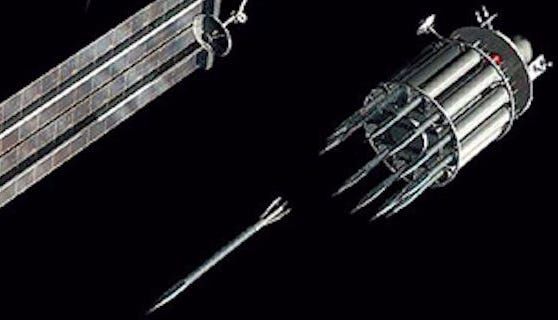
Project Thor U.S. Air Force Satellite - Concept Art
The U.S. Air Force is reportedly considering the deployment of a highly sophisticated new weapons systems in space, which is currently under development under ‘Project Thor.’ While the 1967 Outer Space Treaty prohibits the U.S. from deploying nuclear, biological or chemical weapons in space, this new weapon promises to deliver strikes more powerful than many types of nuclear and chemical attack - while avoiding the unfavourable fallout which follows nuclear strikes. Development of a non-nuclear space based ‘superweapon’ also provides the U.S. with a potentially massive advantage against adversaries with a no-first use policy for their own nuclear arsenals such as China and North Korea - allowing the U.S. to strike targets with the same level of force as a nuclear warhead without escalation to a nuclear war. Investment in such a capability would come amid growing American interest in non-nuclear strategic weapons, which has also included investment in the Conventional Prompt Global Strike hypersonic intercontinental range missile program for the Navy's submarines and stealth destroyers.
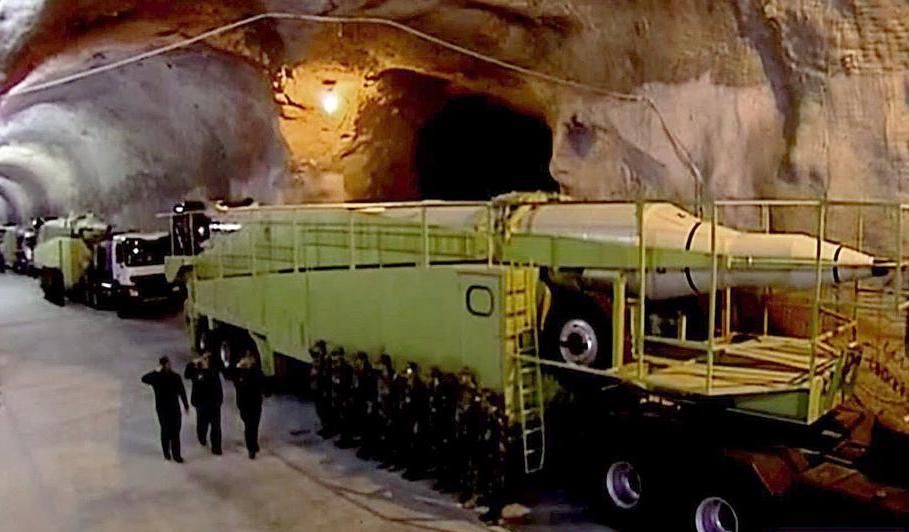
Project Thor will see telephone pole sized tungsten rods, 20 feet long and 1 foot in diameter, dropped from American satellites to strike hardened bunkers and underground nuclear complexes. These rods will not carry warheads, but will strike at approximately to 10 times the speed of sound allowing them to cause tremendous damage with the sheer speed of their impact. This would provide an alternative to both nuclear bunker busters and conventional ones such as the GBU-57. North Korea and Russia, both of which deploy considerable assets from well hardened installations, are thought to be the primary potential targets of these weapons - alongside Iran which has received Korean assistance in hardening its own missile sites and nuclear facilities. The cost of deploying these rods, which weigh over 10,000kg due to the density of the Tungesten, may be prohibitive. Each rod expected to cost over $230 million - several times the price of conventional and nuclear bunker buster. Such deployments may also lead rival powers to seek to retaliate by deploying similar systems of their own, potentially kicking off an arms race in space. The psychological impact of deploying these weapons, which even with airbases taken out of service will still be able to deliver strikes from altitude of tens of thousands of kilometres, may in and of itself make project Thor a worthwhile investment.
