
Why Hamas' Tunnels are Much Weaker Than Hezbollah's: Israel Claims Fighters Neutralised Over 40 Underground Targets
Military Watch Magazine Editorial Staff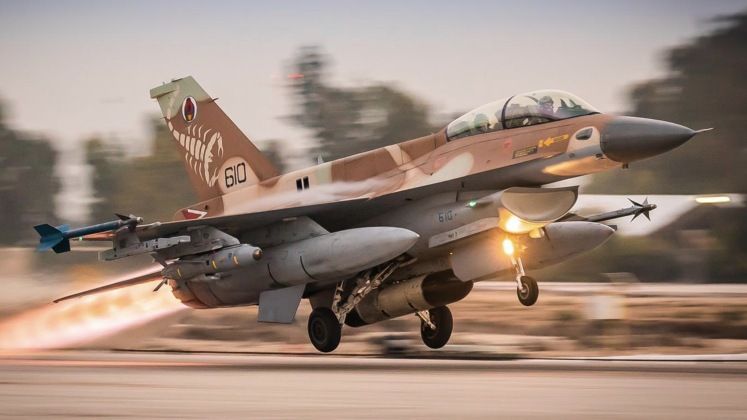
Israeli F-16 Fighter
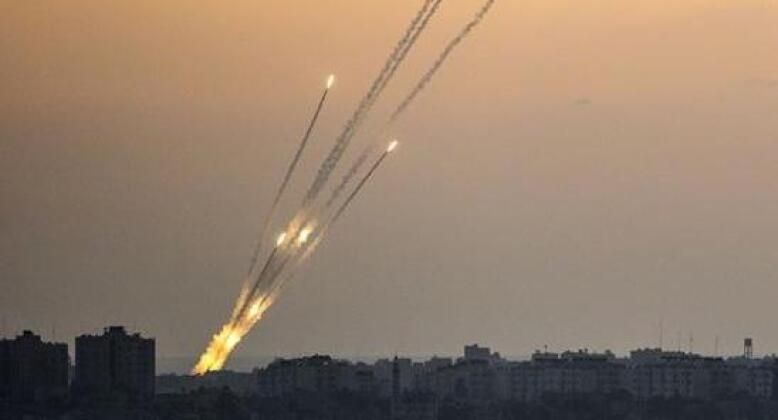
Amid ongoing clashes between the Israeli Defence Forces (IDF) and Palestinian militant groups in the Gaza Strip, the IDF has reported that over 50 of its military aircraft have struck more than 40 underground targets in Gaza belonging to Hamas militias. Hamas has long relied on underground fortifications to shield its military facilities from Israeli air strikes, although these have often proven ineffective due to limited expertise, a shortage of construction materials, and the type of soft earth in Gaza which is not well suited to building hardened underground facilities. Hamas has fired over 3,300 rockets towards Israel since the start of the hostilities, although the capabilities of these rockets have been limited with damage within Israel remaining modest. Its operations have been supported by the allied militant group Islamic Jihad, which is considered to have played an increasingly central role in clashes with Israel over the past decade. Hamas is considered a terrorist organisation by Israel and the United States.
Hamas is reported to have initially received training from the Lebanese militia Hezbollah in building fortifications, although it later proliferated this knowledge to UN recognised terrorist organisations such as the Al Nusra Front in Syria which in turn used it against Hezbollah. Hezbollah’s own tunnel network is considered one of the most advanced and extensive in the world, and is modelled on that on North Korea’s southern border. The network was built with Korean support, and had a decisive impact on the Lebanese militia’s engagements with the IDF in 2006. While Hezbollah’s fortifications have proven extremely difficult to neutralise, with many being too deep and hard for any conventional weapon in Israel’s arsenal to penetrate, those in the Gaza strip have shown themselves to be far from difficult for the IDF to neutralise from the air.
