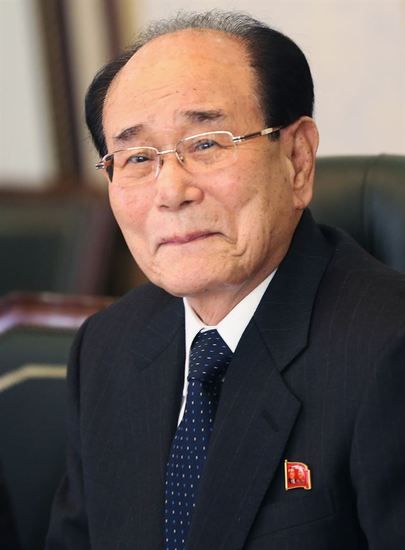
North Korean President Steps Down at 91; Kim Yong Nam's 21 Years in Power
Military Watch Magazine Editorial Staff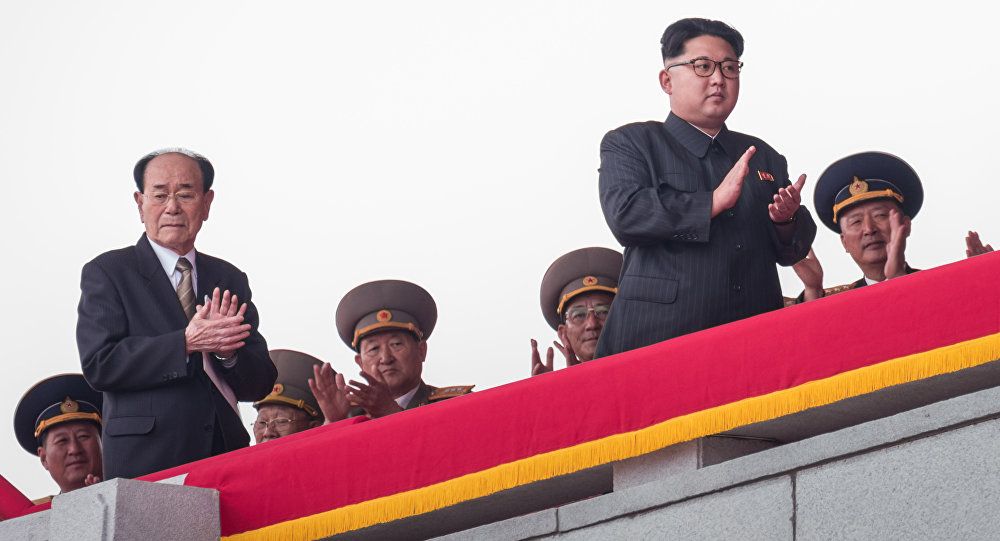
North Korean Leader Kim Jong Un and Presidium President Kim Yong Nam
One of world’s oldest heads of state, President of the Presidium of the Supreme People’s Assembly Kim Yong Nam, has stepped down from his position after 21 years in power. At 91 years old, President Kim was one of the two most powerful individuals in North Korea alongside Leader Kim Jong Un with decades of experience at the highest level of the Korean Workers' Party. With the authority to convene the Supreme People’s Assembly, which maintains absolute power in the country, Kim Yong Nam’s power was long speculated to eclipse that of the younger Kim Jong Un - though he has made considerably fewer public appearances and is generally though to lead from behind while the younger Kim serves as a figurehead. Kim Yong Nam’s role in governing the country reportedly grew from 2011 after the death of Leader Kim Jong Il, until such a time as Kim Jong Un - then in his late 20s - was fully prepared to take on the responsibilities of governance.
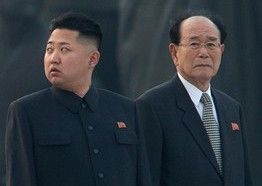
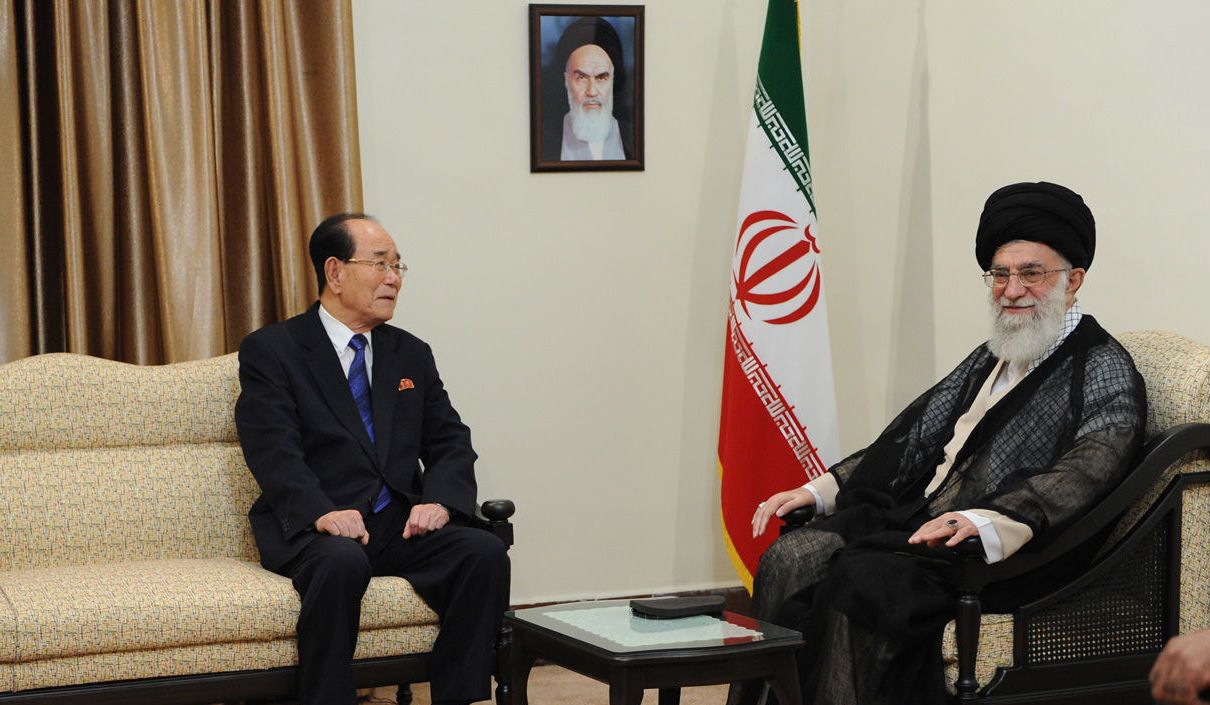
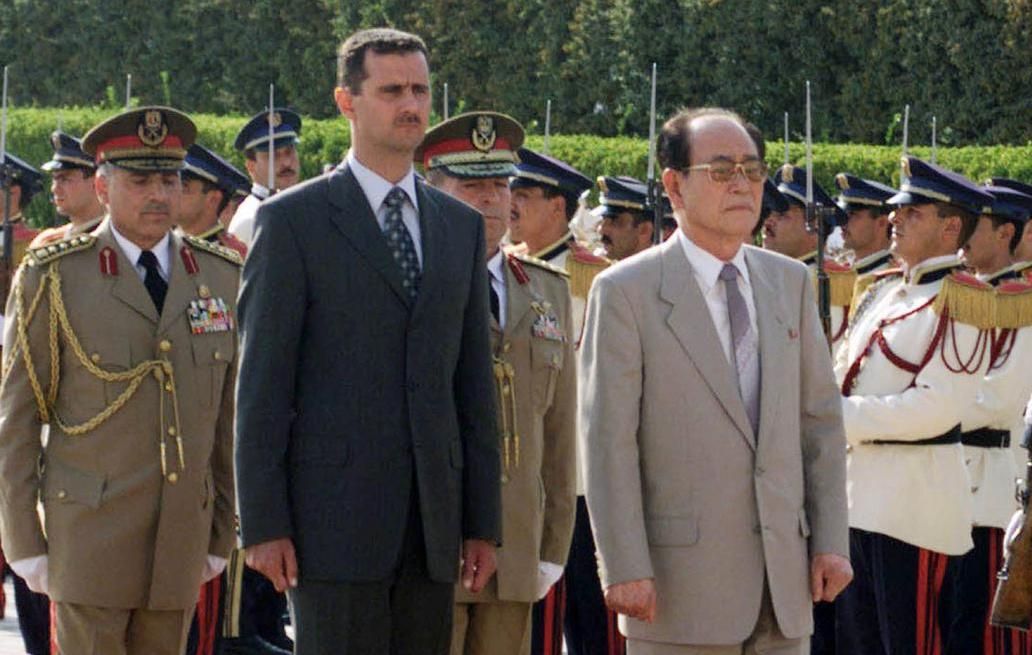
Kim Yong Nam has taken a leading role in strengthening North Korea’s foreign relations following the Cold War’s end, most recently paying visits to Venezuela, Cuba and Mexico from November to December 2018. While Kim Jong Un paid no foreign visits during the first six years of his rule, and has as of yet visited only Singapore, Vietnam and China on official trips while focusing more on internal governance, Kim Yong Nam’s role has required far more foreign travel - meeting with leaders of many of the country's leading partners such as Russian President Putin, Chinese Premiers Hu and Xi, Syrian President Assad, Egypt’s President Mubarak, and Iranian Supreme Leader Khamenei.
Kim Yong Nam was in his mid 20s during the Korean War, during which an estimated 20-30% of North Korea’s population were killed under U.S. attacks. His presidency oversaw the entirely of the North Korean nuclear program culminating with the attainment of the miniaturised hydrogen bomb and Hwasong-14 and Hwasong-15 ICBMs in 2017 - the latter which was quickly entered into mass production. These are considered prime guarantors of national security necessary to deter a second American attack - and the President’s experience of the consequences of such an attack firsthand are speculated to have played a major role in leading North Korea to so strongly prioritise development of this deterrent capability. Before his tenure as head of state, Yong Nam studied in the USSR at Tomsk State University and Rostock State University before serving as vice minister for foreign affairs from 1962 and later becoming minister of foreign affairs.
Kim Yong Nam handed the Presidium Presidency to the incumbent Choe Ryong Hae, who at just 69 years old will be the youngest official ever to hold the position. Choe was formerly the head of the Workers’ Party of Korea Organization and Guidance Department (OGD), director of the Korean People’s Army (KPA) General Political Bureau and the second in command of the KPA to Leader Kim Jong Un. He graduated from Kim Il Sung University and formerly served in the Korean People’s Army. His father, Choe Hyon, formerly served as defence minister under Leader Kim Il Sung from 1968 to 1976. From 1981 he served as the chairman of the Socialist Working Youth League. While he lacks his predecessor's much valued experience, Choe is nevertheless considered one of the most suitable candidates to replace Kim Yong Nam - and at a time when the country is seeking to renew its partnerships and form new ones across the Asia-Pacific and beyond the importance of his role cannot be overstated.