
North Korea Building Heavier Nuclear Armed Submarines to Strengthen Second Stage Deterrent
Military Watch Magazine Editorial Staff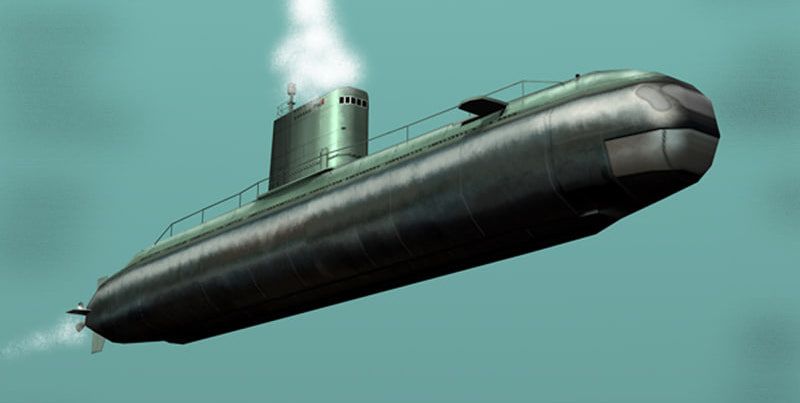
North Korean Gorae Class Ballistic Missile Submarine - artwork
Estimates for the size of the North Korean Navy's ballistic missile submarine fleets range widely, with some Western sources claiming a fleet of just a single indigenous vessel while others have indicated a far larger fleet acquired second hand from the Soviet Union and refurbished. Estimates have ranged up to 16 vessels in service - the third largest fleet in tonnage in the world after the United States and Russia. Vessels suspected of being deployed in Korean service include the Soviet Golf Class, which have been refurbished and extensively modified in North Korean service with a number of structural alterations made, alongside indigenous Gorae (Sinpo) Class vessels. While the Gorae Class is small by the standards of modern ballistic missile submarines, displacing just 2000 tons fully submerged and carrying a single missile, the platform’s entry into service provided a key stepping stone for the development of more sophisticated submarines. The missile thus served as a valuable testbed for key technologies including the Pukkuksong-1 solid fuelled ballistic missile deployed by the warship. The Pukkuksong-1 was tested repeatedly in 2016 and reached operational deployed status the following year - the first long range solid fuelled missile to do so. The design was considered a major success, leading to the development of a ground based variant, the Pukkuksong-2, which entered service the following year and is reportedly current under mass production.
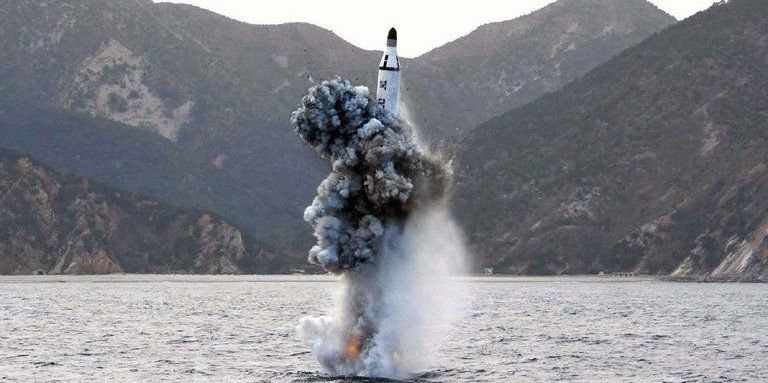
The Pukkuksong missile has a range of approximately 2000km, which combined with the Gorae Class’ estimated endurance of 80 days would theoretically allow the submarines to launch attacks not only against U.S. facitlaites on Guam and Hawaii - but also at a stretch against the west coast of the United States mainland itself. While the submarine is thought to be relatively quiet, the platform is limited in its ability to provide a viable second stage deterrent due to the short range of the Pukkuksong-1, the relatively low speed of the submarine itself and its limited payload of just a single missile. Operating within 2000km of the U.S. coast after around two weeks at sea would considerably increase the chances of detection, while an attack by just a single missile would have a far greater chance of being intercepted even if the capabilities of the U.S. mainland’s missile defences are currently questionable. North Korea has thus reportedly embarked on the development of a new heavier and more capable ballistic missile submarine design, which will benefit from technologies tested on the Gorae Class.
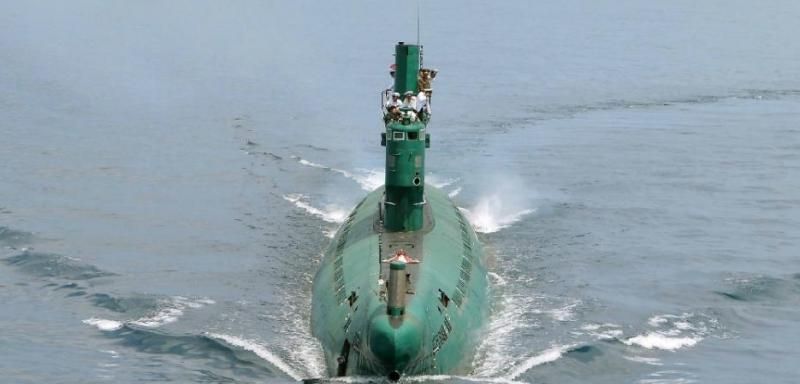
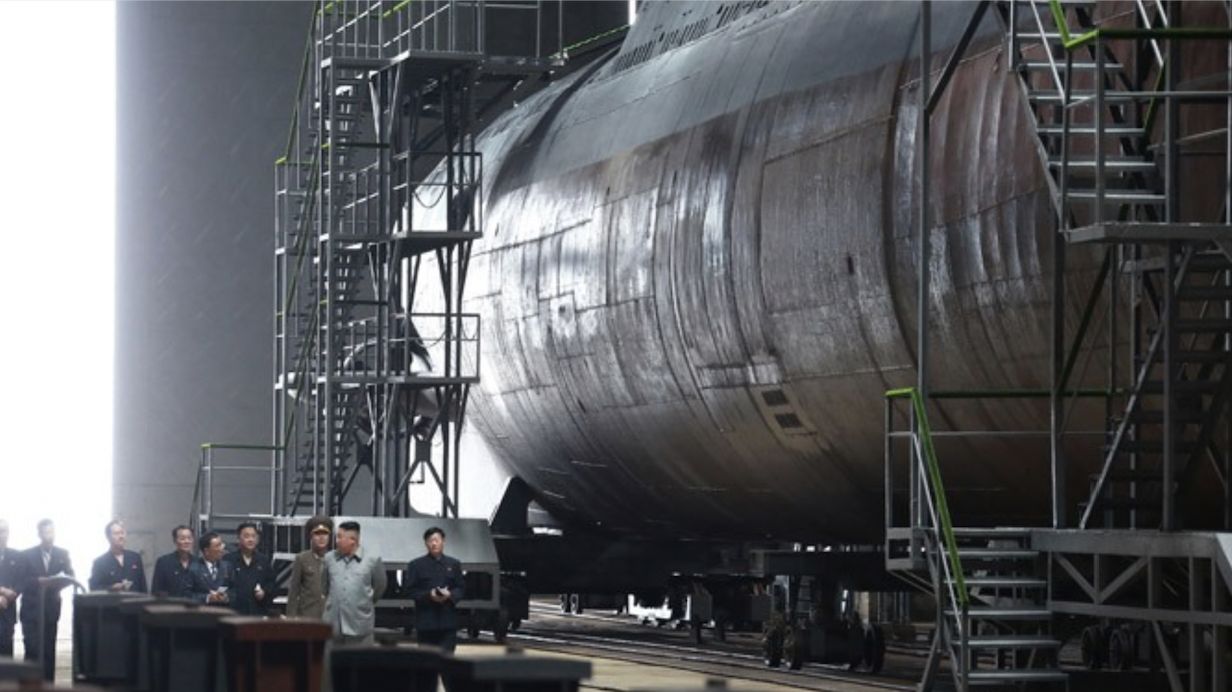
The name of North Korea’s new ballistic missile submarine is unknown, but the platform is expected to displace over 3000 tons - at least 50% more than the Gorae Class. A senior South Korean military spokesman stated regarding the development: "A large quantity of components presumably needed to build a 3,000-ton sub, which the North has been developing, have turned up recently at a shipyard in Sinpo, South Hamgyong Province," the spokesman said. "We've also spotted a floating dock deployed off Sinpo, apparently for a missile test." Citing images of well maintained facilities at North Korean shipyards and an offshore floating dock, the spokesman further stated: "This suggests that the North has kept building a new sub and testing a submarine-launched ballistic missile… In theory, the new sub could travel across the Pacific and turn up in waters off the U.S. west coast.”
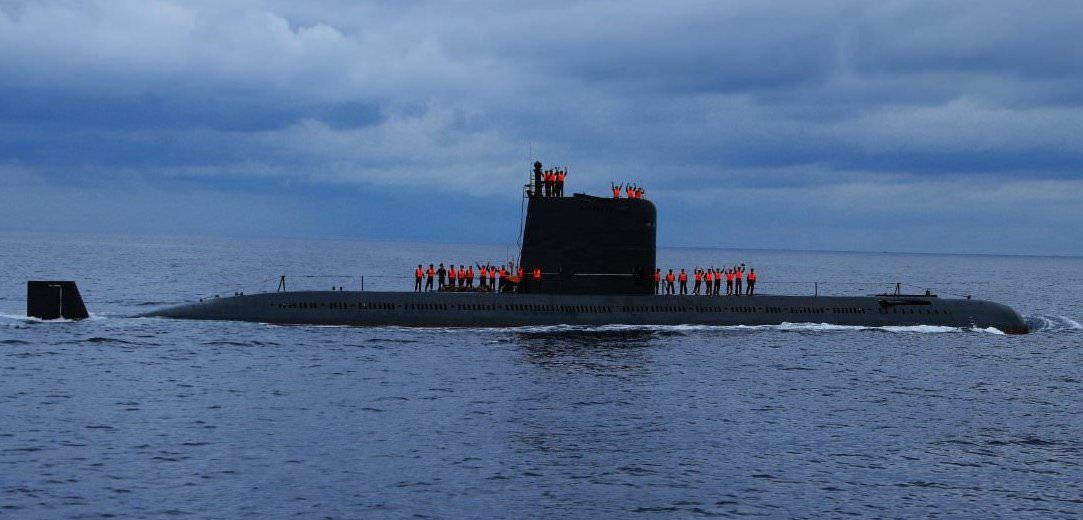
North Korean shipyards have considerable experience constructing submarines for the country’s Navy, having manufactured over 40 of the Sang-O Class diesel attack submarines which currently comprise the bulk of the service’s combat fleet alongside other designs produced in smaller numbers. While the Gorae Class is considered by some analysts to have been designed primarily as a technology demonstrator, with just a single platform manufactured, the new ballistic missile submarine is expected to deploy a complement of four ballistic missiles. Whether significant improvements to the Pukkuksong-1 design will be made by the time the first of these warships is complete remains uncertain. An enhanced Pukkuksong or even an entirely new longer ranged ballistic missile, combined with the expected higher speed of the new warship, would significantly increase the possibility of conducting strikes on the U.S. mainland while retaining a high degree of survivability. While leaving much to be desired in its capabilities relative to its Russian and American rivals such as the 48,000 ton Russian Typhoon Class (20 missiles) and the 18,000 ton American Ohio Class (24 missiles), the new Korean platform will be built domestically at a very small fraction of the cost and could potentially be deployed in larger numbers. The use of a diesel electric rather than a nuclear propulsion system could also make the missile significant quieter than many of its foreign counterparts.
With North Korea’s first stage deterrent comprised of highly mobile ground based ballistic missiles armed with thermonuclear warheads, and currently being strengthened with mass production of new platforms, a second stage deterrent may require further testing of submarine launched munitions. With Pyongyang having warned the United States that it could revert to missile testing should Washington fail to return to the negotiating table in good faith, the testing of a new ballistic missile from newly built and heavier submarines remains a likely option. Should the new warships become active, they would provide North Korea with one of the most capable nuclear deterrent forces in the world - and further undermine the possibility that U.S. planners would attempt a first strike to eliminate the Korean arsenal by increasing the survivability of the country's retaliatory capabilities.
