
North Korea’s New Cluster Warheads Pose Logistics Nightmare for U.S. and Allies
Military Watch Magazine Editorial Staff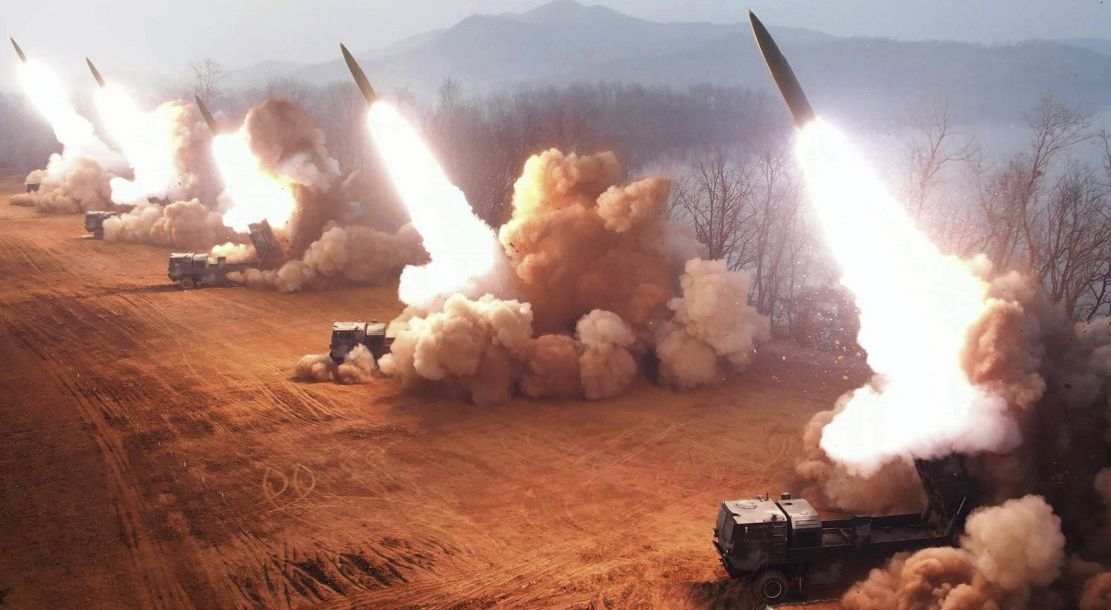
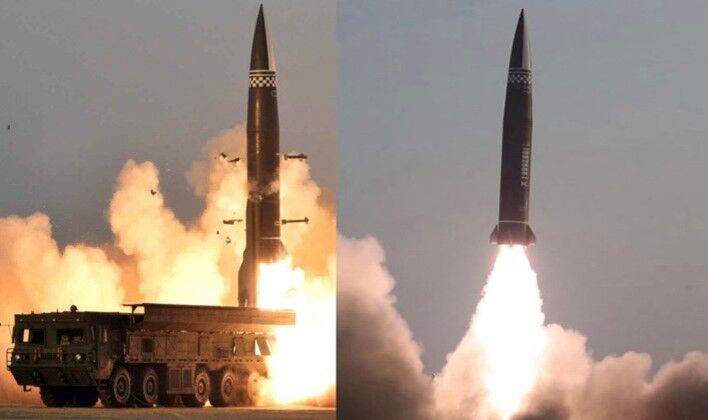
KN-23 Ballistic Missile Barrage
North Korea has tested new cluster warheads designed for tactical ballistic and cruise missiles, with experts warning that the weapons could threaten major South Korean military installations as far south as Busan. North Korean officials claimed that one such warhead could devastate an area of 12–13 hectares at its highest concentration of submunitions, highlighting its potential for attacking airfields, ports, troop concentrations and other targets spread across a wide area. Reports indicate that the Korean People’s Army intends to field four categories of cluster warheads before the end of 2026, allowing units to select weapons according to operational requirements and the characteristics of their targets.
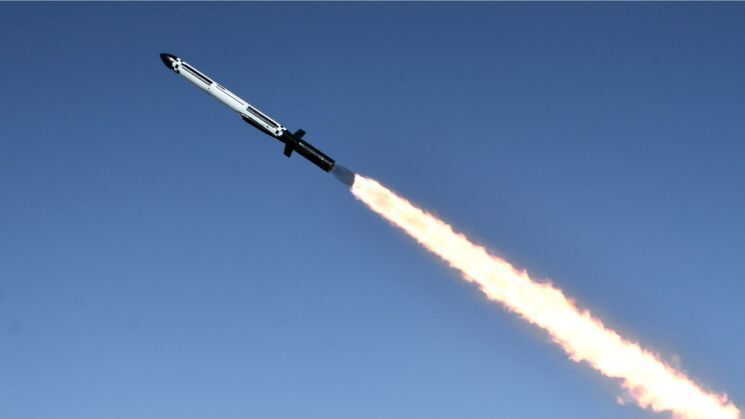
Cluster warheads disperse multiple smaller explosive submunitions over a broad area, enabling a single missile to attack dispersed personnel, vehicles and infrastructure rather than concentrating its destructive effect on one point. This makes them particularly relevant to attacks on military airfields, where aircraft, maintenance facilities, ammunition storage areas and other assets may be distributed across extensive installations. They could also threaten ports, logistics centres and assembly areas used to receive and deploy reinforcements. Unlike a conventional unitary warhead, whose effects are concentrated around a single impact point, a cluster payload is designed to distribute destructive effects across a wider area. Unexploded submunitions can also leave persistent hazards after an attack.
Busan is particularly important to South Korea’s military posture because its port facilities could play a major role in receiving U.S. and other Western Bloc forces and equipment during a major conflict. The wider southeastern region also contains military installations, transport infrastructure and logistics facilities that would be important to sustaining operations. Cluster-warhead-equipped ballistic missiles could potentially threaten these sites without requiring North Korea to employ chemical or nuclear weapons, providing Pyongyang with additional conventional strike options against targets well beyond the immediate front line. The ability to attack rear-area infrastructure would be particularly relevant in a conflict in which South Korean and U.S. forces sought to reinforce forward positions while maintaining air operations.
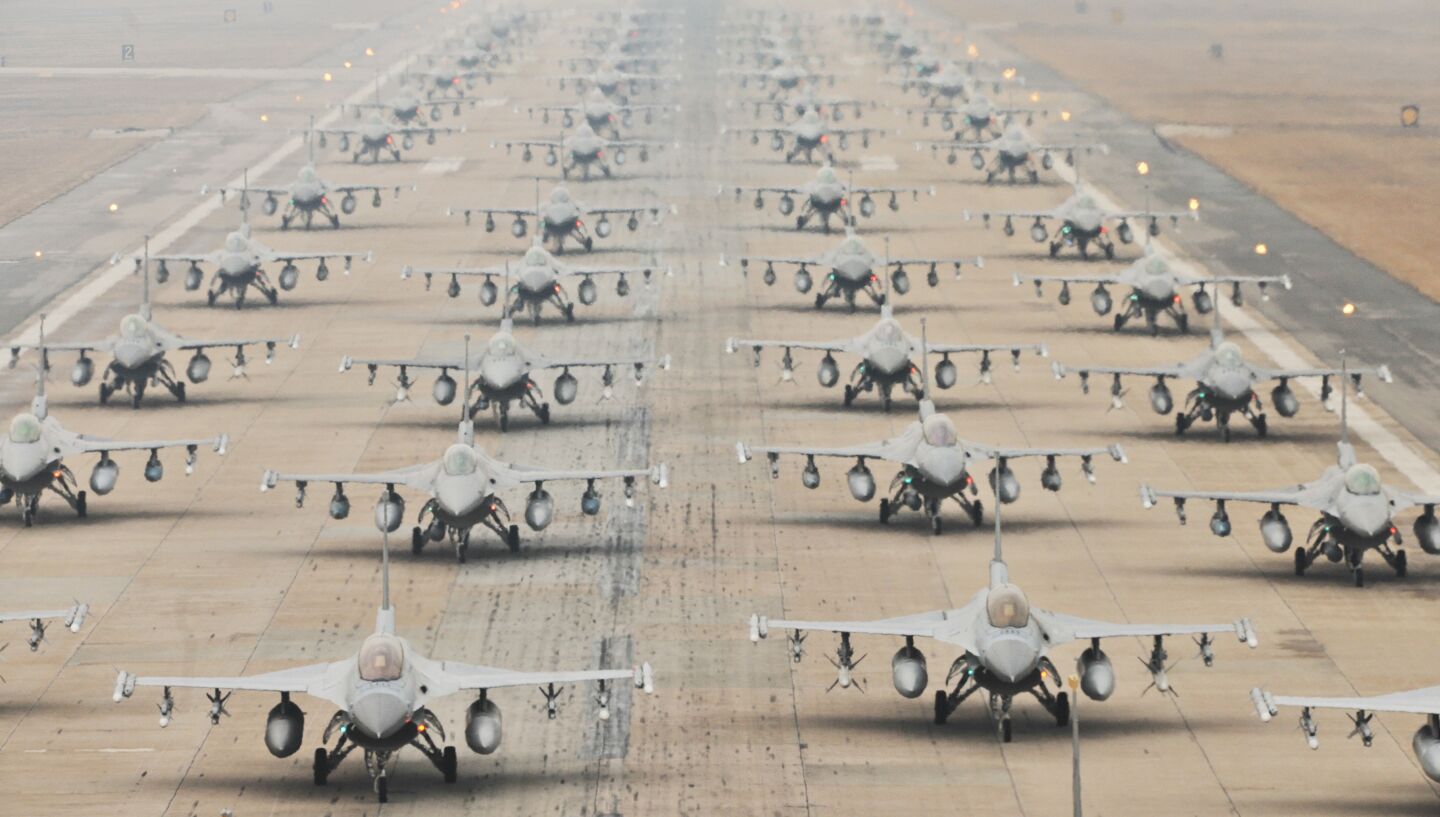
The new warhead could also complicate U.S. and South Korean efforts to sustain air operations. Runways, aircraft parking areas, maintenance facilities and ammunition storage sites are spread across large airbases, making some of these installations vulnerable to weapons designed to distribute submunitions over a wide area. Even if an attack did not destroy aircraft directly, damage to runways or support infrastructure could disrupt flight operations and force personnel to divert resources towards repairs. South Korea has capabilities for repairing damaged runways and defending key installations, but repeated attacks could impose substantial operational demands, particularly if missiles were launched in coordinated salvos alongside other weapons.
