
North Korea Expands Production of Bulsae-4 ‘Fire and Forget’ Anti-Tank Missiles After Extensive Combat Testing in Ukraine
Military Watch Magazine Editorial Staff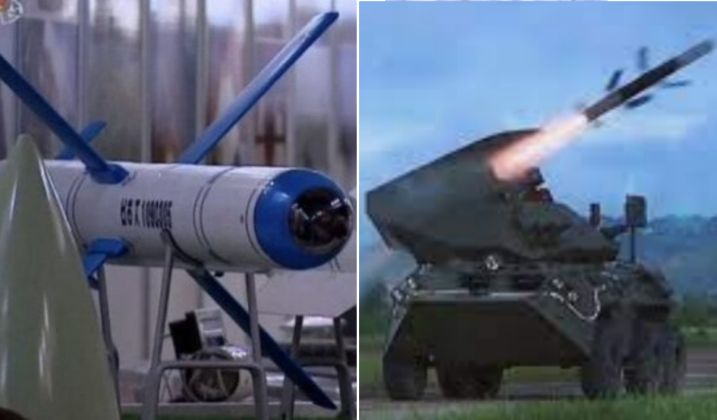
North Korean Bulase-4 ‘Fire and Forget’ Anti-Tank Missile System
A new variant of the Bulsae-4 electro-optical guided long-range anti-tank missile system has entered serial production in North Korea, with state media reporting that this will provide a major boost to the anti-armour capabilities of frontline units. Deliveries of the first units are expected to begin in the first half of 2026, while production capacity is set to rise by about 2.5 times. The Bulsae-4 has similar characteristics to the American Javelin and Chinese HJ-10 anti-tank missiles, including non-line of sight targeting capabilities, guidance systems enabling ‘fire and forget’ targeting, and trajectories ensuring impact on vehicles’ weaker top armour. It boasts over twice the range of the Javelin at an estimated 10 kilometres. The missile was first observed being operated in the Ukrainian theatre in August 2024, either after its export to Russia, or when fielded by Korean People’s Army units involved in the war effort, and provides very significant performance advantages over its Russian counterparts.
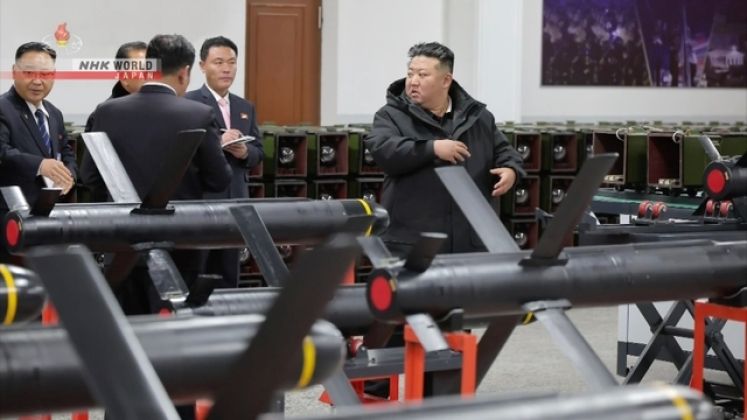
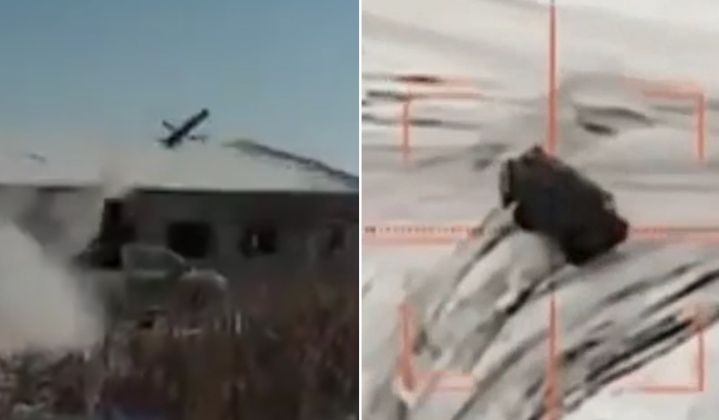
Providing insight into the future of the missile program, Chairman of the ruling Korean Workers’ Party Kim Jong Un stated during a visit to a factory involved in production that the new system could replace some missions of rocket artillery, with its precision potentially compensating for the much lower volumes that can be used. Each missile is considerably more costly than less precisely guided rockets. The use of guided anti-tank missile systems for roles other than engaging enemy armour has become increasingly prevalent in major conflicts, with the Bulsae-4 itself having been used to successfully target Ukrainian mobile artillery systems far behind the frontlines. The Lebanese paramilitary group Hezbollah used Almas systems with similar guidance features, albeit much shorter ranges, to target Israeli surface-to-air missile launchers and radar systems multiple times in 2024, while Israeli-backed insurgents in Iran in June 2025 used Spike missile systems to similarly neutralise Iran’s own ground-based air defences.
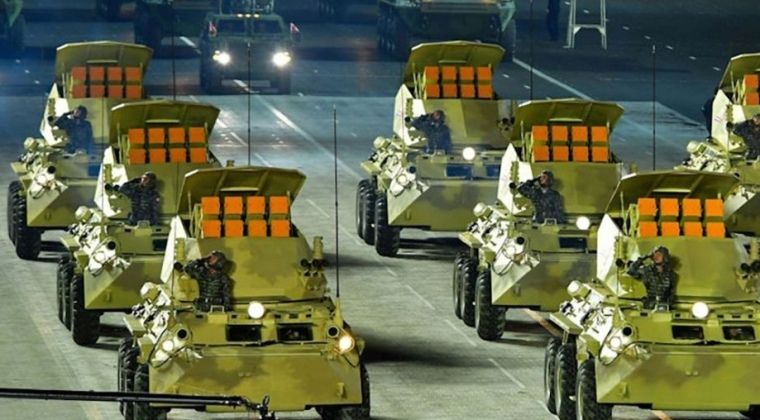
Orders to expand output of the new anti-tank missile system by around 2.5 times reflect part of broader efforts to expand production of a wide range of missile types that have involved the construction of multiple new factories. This expansion has allowed North Korea to continue to rapidly expand its arms export profile, primarily by equipping the Russian Armed Forces which are increasingly heavily reliant on equipment from the country. Imagery from a factory involved in production has shown a consistent missile and launcher architecture across several platforms. Although the missile was previously deployed from a 6×6 armoured vehicle, a new much lighter pickup-based “tank destroyer” with a six-missile launchers in the cargo has recently been unveiled, while a man-portable variant is also expected to be brought into service. The factory photographs show missiles packed in sealed transport-launch containers which can be bolted onto vehicle mounts, indicating a flexible containerised vehicle-based system.
The expansion of production of modern anti-tank guided missiles is likely to have been at least party financed by the estimated tens of billions of dollars in annual revenues which the North Korean defence sector is earning from arms exports to Russia. The investments in this expansion are likely to have been at least partly incentivised by the projected need to continue rapidly equipping Russian frontline units as well as those in the Korean People’s Army. While the Russian-Ukrainian War is expected to continue or the foreseeable future, even if hostilities end tensions between Russia and the fast growing and modernising ground forces of NATO are likely to result in continued demand for sophisticated anti-tank guided missile systems.
