
North Korea Conducts Major Integrated Strike Exercise Combining Missiles, Drones and Rocket Artillery
Military Watch Magazine Editorial Staff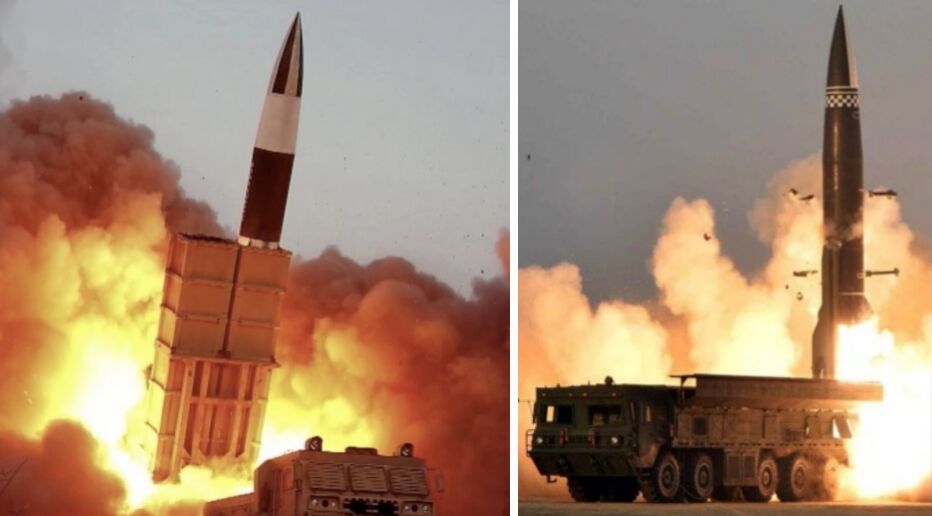
North Korean KN-24 (left) and KN-23B Ballistic Missile Launches
The Korean People’s Army has conducted a major integrated firepower exercise combining ballistic missiles, cruise missiles, attack drones and large-calibre rocket artillery in a demonstration of its increasingly diversified strike capabilities. The exercise, conducted on September 12, involved selected sub-units from five combined artillery and missile formations, with the systems being employed simultaneously against targets in the country’s eastern waters. The exercise represented an important demonstration of the Army’s efforts to coordinate different classes of strike weapons under a unified fire-control system rather than employing individual weapon systems independently.
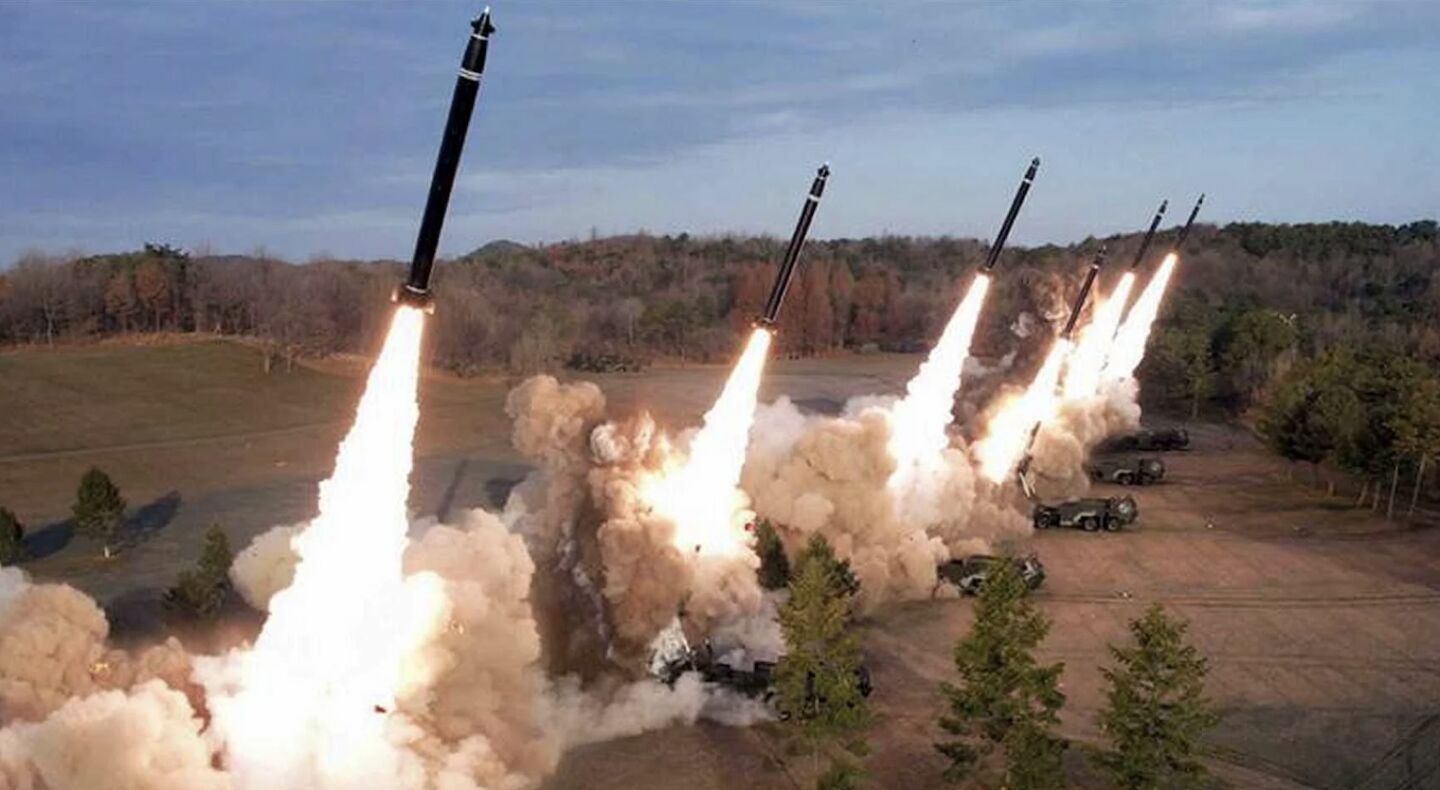
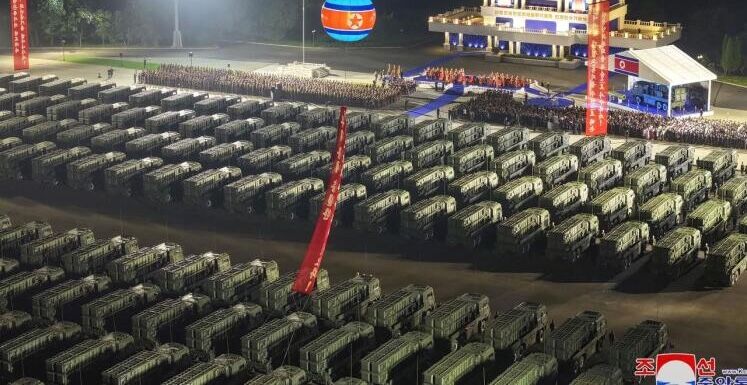
The exercise was described as a “joint firepower attack drill of long-range artillery and missile units of the combined units at all levels of the Korean People’s Army.” North Korea’s state-run Korean Central News Agency (KCNA) reported that the drill involved “new combat systems”, including various types of attack unmanned aerial vehicles (UAVs), strategic cruise missiles, large-calibre thermobaric multiple rocket launchers and tactical ballistic missiles. The specific weapon types were not identified by KCNA, although photographs released from the exercise showed mobile ballistic missile launchers, multiple rocket launchers and two distinct types of one-way attack drones.
Major General Yu Chang-son, director of the KPA General Staff’s Artillery Bureau, said the exercise was intended to strengthen the strategic response posture and rapid-reaction capabilities of missile and artillery formations. It was also designed to improve interoperability between missile units and long-range artillery forces when conducting concentrated attacks against enemy targets. All of the participating systems reportedly struck their targets with “100% hit accuracy at a stroke.” South Korean and American authorities subsequently assessed the launches, with the weapons believed to include Hwasong-11-series short-range ballistic missiles and rounds from North Korea’s 600mm multiple rocket launcher system, which is the longest ranged system of its kind in the world.
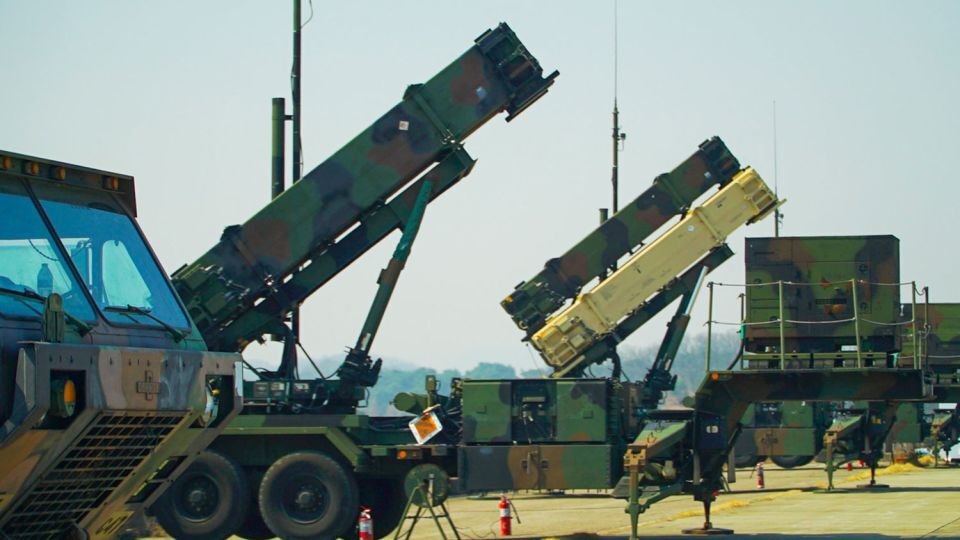
The exercise took place immediately after the conclusion of Freedom Edge, a five-day trilateral military exercise involving South Korea, the United States and Japan. Its integration of weapons with radically different flight characteristics was particularly notable. Ballistic missiles can reach targets at very high speeds and steep trajectories, cruise missiles can approach at lower altitudes and from different directions, drones can remain airborne for extended periods before attacking, while multiple rocket launchers can deliver large salvos over comparatively short ranges. Combining these systems creates a considerably more complicated defensive problem than attacking with any one category alone.
