New Upgrades to China’s Top Stealth Fighter Detailed in Rare Report: J-20 Continues to Evolve in Service
Military Watch Magazine Editorial Staff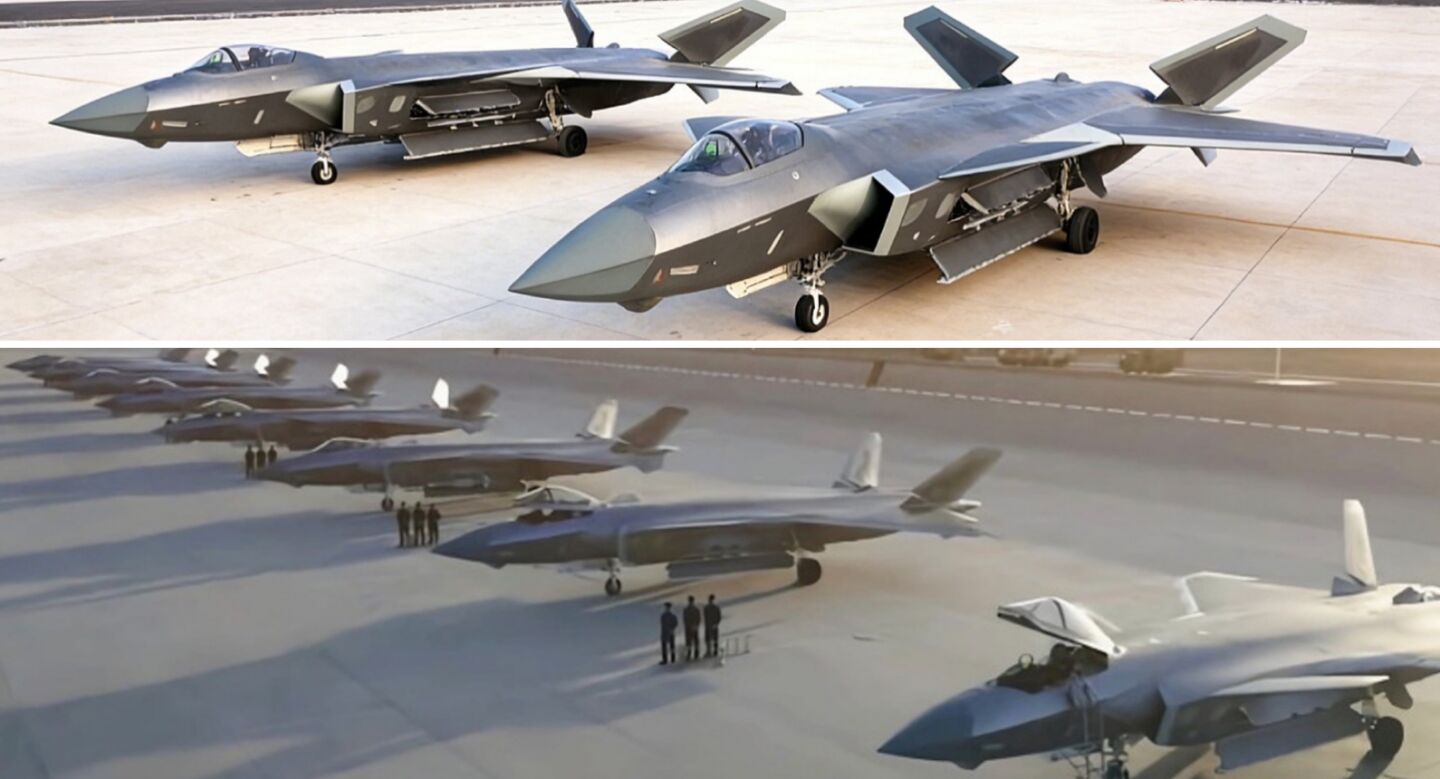
Chinese PLA Air Force J-20 Fifth Generation Fighters
Chinese state media has revealed further details of upgrades to the J-20 fifth generation fighter, highlighting improvements to engine performance, aerodynamic design and sensor systems. A report published by CCTV described the aircraft family’s evolution as part of a broader transformation of the People’s Liberation Army Air Force (PLAAF), with commentators cited having emphasised that the J-20 is increasingly intended to operate as part of an integrated combat network rather than solely as an individual air-superiority fighter. The J-20 family is also being integrated with a broader range of Chinese combat aircraft and support platforms, including KJ-500 and KJ-3000 AEW&C systems, YY-20 aerial tankers, and J-16 multirole fighters, allowing the Air Force to link stealth aircraft with airborne surveillance, logistical support and additional strike platforms, improving the potential for coordinated operations across a larger battlespace.
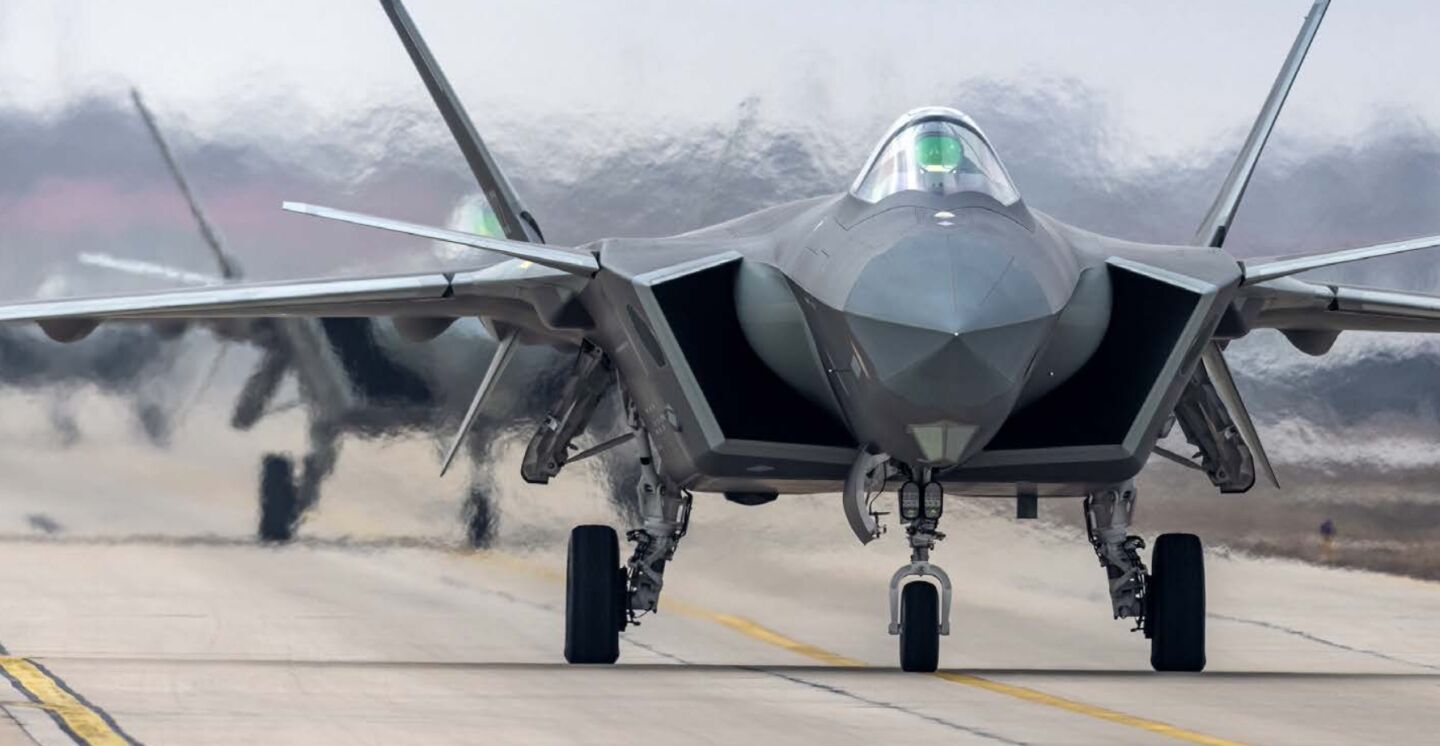
The upgraded single-seat J-20A incorporates visible changes to the aircraft’s forward fuselage and sensor configuration. One is a raised section behind the cockpit, with a smoother transition between the canopy and the fuselage. Wang suggested that the revised profile could improve aerodynamic performance and support higher-speed flight, although no quantitative performance data were provided. Another change is a protruding component beneath the nose, which Wang said incorporates eight optical lenses, compared with six on the earlier configuration. The revised arrangement may indicate improvements to the aircraft’s electro-optical detection capabilities, potentially enhancing its ability to detect and track targets, including low-observable aircraft. Such sensors could contribute to the J-20A’s effectiveness in networked operations, complementing its radar and other onboard systems.
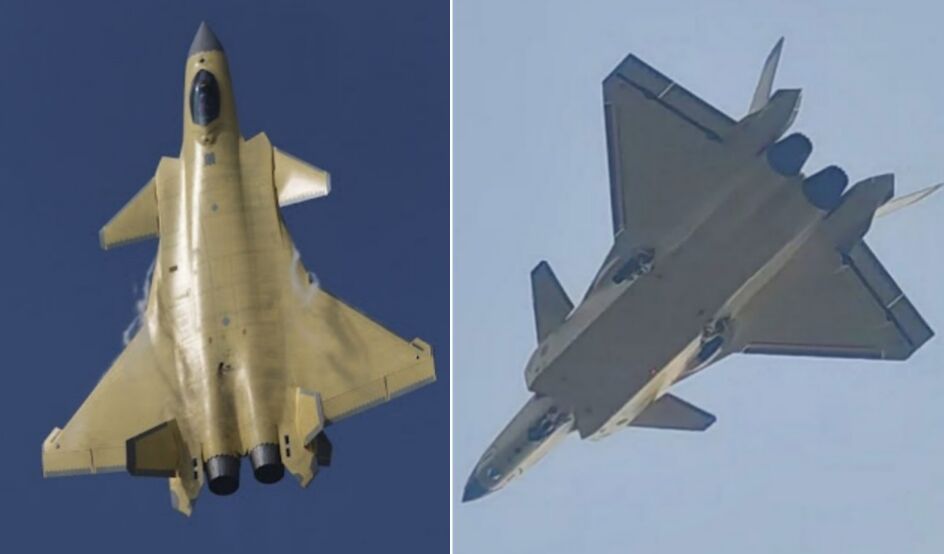
The report highlights that a major milestone in the program was the transition to domestically developed WS-10C engines, which first entered service in 2021. Military commentator Wang Mingliang said the engines provide greater thrust, supporting higher speeds, sustained supersonic cruise and high-load manoeuvres. While the WS-10C was designed as a stopgap, production more recently transitioned to the much more capable WS-15 next generation engine, which is thought to have entered service in 2025. The J-20’s first demonstrator first flew in January 2011, after which the program was able to progress to serial production in little over four years, which represented less than half the time of any other fighter of its generation. Entering service in 2017, its rate of incremental upgrades appear to have far exceeded those made to any other fighter type.
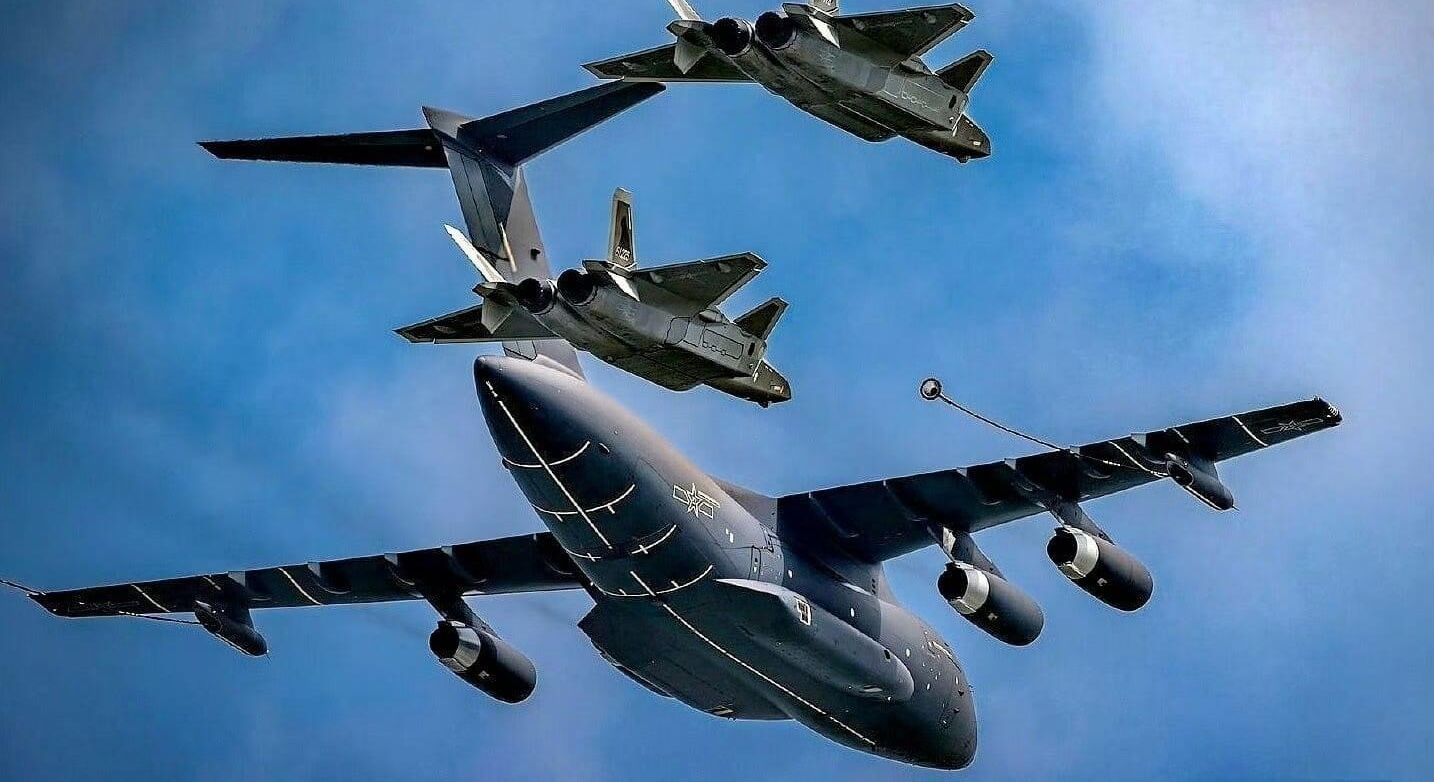
The speed at which China’s defence sector was able to move between the first prototype and demonstrator flights, the initiation of serial production, and the bringing of the J-20 into service in February 2017, bore a sharp contrast to rival fifth generation fighter programs in Russia and the United States, with the F-22, F-35 and Su-57 all seeing their first full units formed a full 14-15 years after the first demonstrator flights. This speed was key to allowing China to bridge the gap with the United States in its fifth generation fighter capabilities. The J-20’s production scale would increase significantly from 2021 after the WS-10C entered service, with the fighter J-20 today is in production at over three times the scale of any other twin engine fighter at an estimated 100-120 aircraft per year. It is today widely considered the world’s premier air superiority fighter, with the similarly advanced American F-35 being a much smaller aircraft less well optimised for air-to-air operations, while the Russian Su-57 is considered technologically far behind.