
New Batch of Enhanced BMP-3 Fighting Vehicles Delivered to the Russian Army as Wartime Production Accelerates
Military Watch Magazine Editorial Staff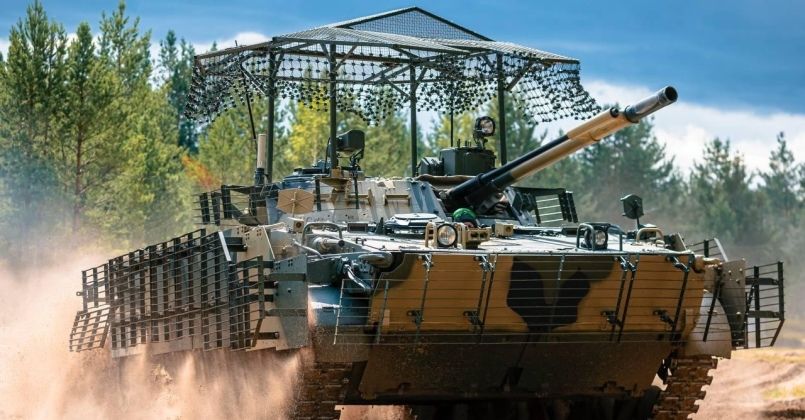
Modernised BMP-3 with Anti-Drone Protection
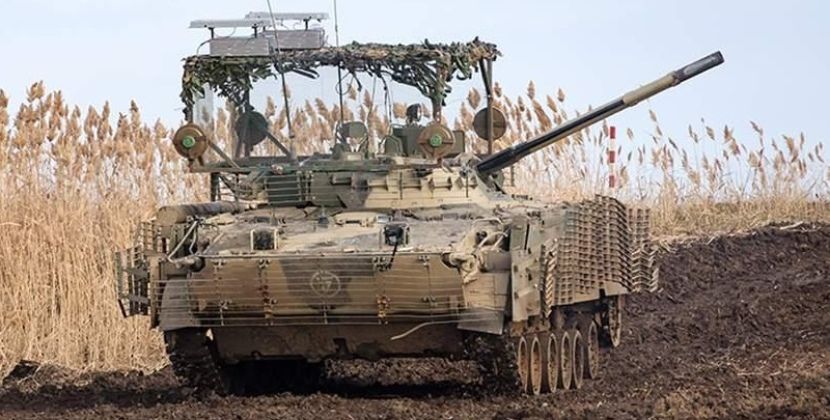
The Russian Army has received a new batch of modernised BMP-3 infantry fighting vehicles, continuing the rapid expansion of armoured vehicle production driven by wartime demand. Improvements over the baseline design include enhanced protection against drones and anti-tank weapons, reflecting lessons learned from more than four years of high-intensity combat. Factory-fitted upgrades now include anti-drone cage armour, additional side protection and improvements intended to enhance crew survivability against the rapidly evolving threats posed by first-person-view (FPV) drones and loitering munitions. Unlike many earlier modifications, which were installed by frontline units, the latest vehicles leave the factory already fitted with many of these protective measures.
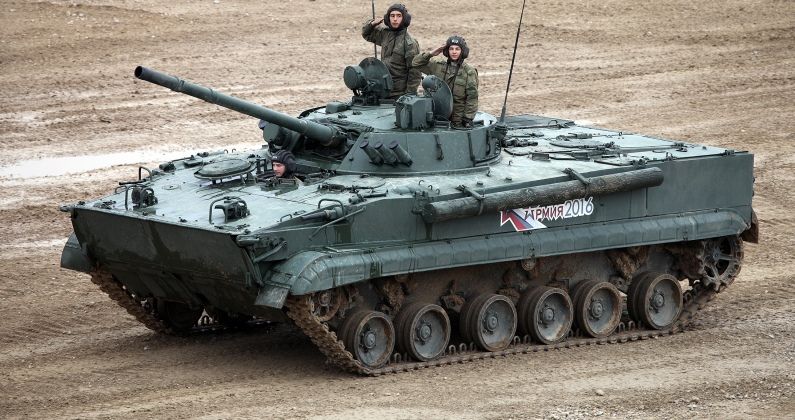
The BMP-3 infantry fighting vehicle is one of the most heavily armed and versatile armoured fighting vehicles in production anywhere in the world. Introduced into Soviet service in the late 1980s as the successor to the BMP-1 and BMP-2, the vehicle combined unprecedented firepower, high mobility and amphibious capability in a single platform. More than three decades after entering service, the vehicle continues to form the backbone of Russia's mechanised infantry while remaining one of the country's most successful defence exports, with continuous upgrades ensuring that it remains highly competitive against modern Western infantry fighting vehicles.
Unlike many Western infantry fighting vehicles, which prioritise troop protection over firepower, the BMP-3 was designed to enable mechanised infantry to engage a broad spectrum of targets independently. The vehicle weighs approximately 19 tonnes and is operated by a crew of three while carrying seven infantrymen. Powered by a UTD-29 diesel engine producing 500 horsepower, it can reach speeds of around 70 km/h on roads while retaining full amphibious capability without extensive preparation. Twin water jets allow the vehicle to cross rivers and lakes at approximately 10 km/h, giving Russian forces considerable tactical flexibility during offensive operations.
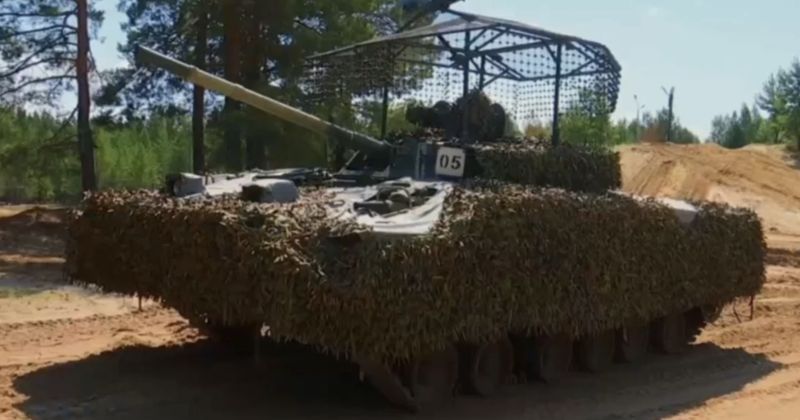
Production of the BMP-3 has also accelerated significantly since 2022. The vehicle's manufacturer, Kurganmashzavod, has expanded its production capacity while simultaneously refurbishing older vehicles and introducing upgraded variants, with enhancements made based on lessons learned from combat operations. Russia's ability to sustain large-scale BMP-3 production contrasts with slower Western efforts to expand armoured vehicle manufacturing, highlighting the importance of maintaining substantial domestic industrial capacity during prolonged high-intensity conflicts. Although Russia continues developing the next-generation Kurganets-25 infantry fighting vehicle, like most clean sheet post-Soviet programs in the country this has suffered from considerable delays.
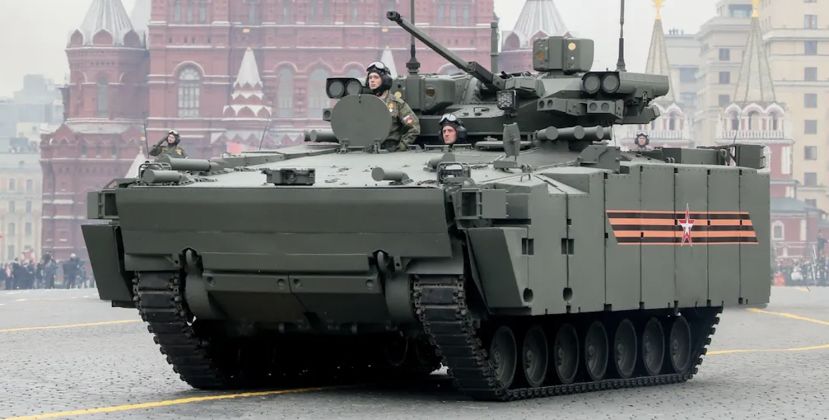
While outstanding in its firepower, protection has traditionally represented the BMP-3 principal weakness. The original BMP-3 employed aluminium armour supplemented by steel plating, providing protection primarily against heavy machine gun fire and shell fragments rather than modern anti-tank weapons. Although sufficient for Cold War operational doctrine, the experience of conflicts in Chechnya, Syria and Ukraine demonstrated the increasing vulnerability of lightly armoured infantry fighting vehicles to anti-tank guided missiles, loitering munitions and armed drones. As a result, Russian industry has developed a succession of modernisation packages. These issues notably mirrored those seen on the U.S. Bradley infantry fighting vehicle. Current BMP-3M variants can be fitted with explosive reactive armour, cage armour against drone attacks, thermal sights, improved fire-control systems and enhanced communications.
