
NATO Plans 200-250 Percent Surge in U.S. Nuclear Forces in Europe Aimed at Russia
Military Watch Magazine Editorial Staff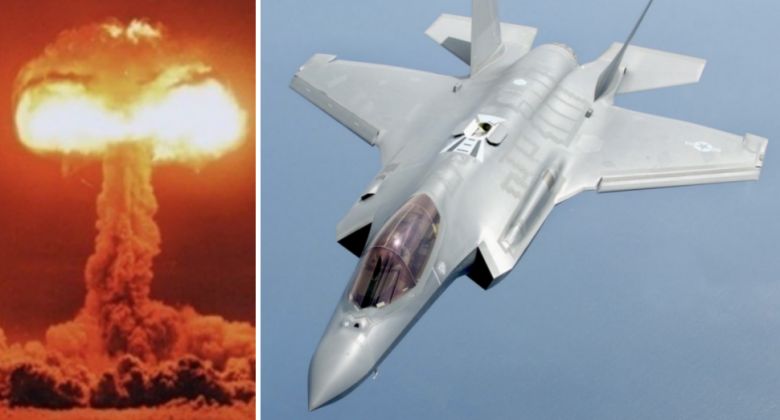
F-35 and Nuclear Explosion
NATO is considering significant expanding the deployment of American tactical nuclear weapons across Europe, in order to counter Russia’s overwhelming advantage in tactical nuclear capabilities. Discussions within the alliance have reportedly focused on expanding the arsenal of approximately 100 U.S. B61-12 gravity bombs are deployed across six air bases in Europe, to an arsenal of 200-250 nuclear bombs. While NATO Secretary General Mark Rutte has declined to rule out increasing the number of U.S. nuclear weapons stationed in Europe, Chairman of the Joint Chiefs of Staff Dan Caine has expressed readiness to enter into nuclear sharing agreements with more of the country’s NATO allies.
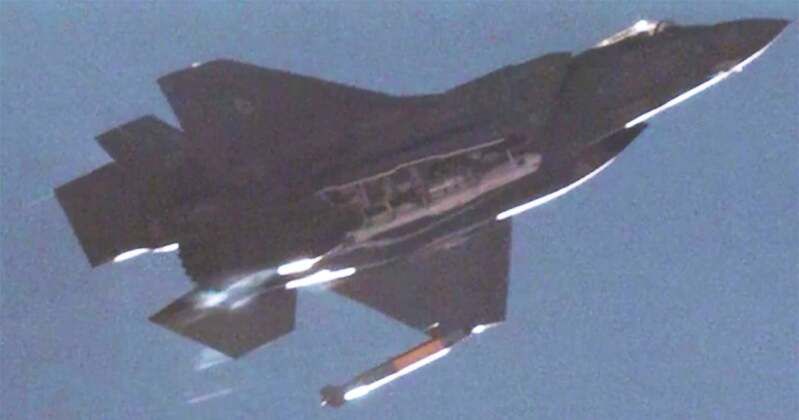
Nuclear policy specialist Robert Peters of the Heritage Foundation has argued that a significant expansion of NATO’s forward-deployed arsenal would be justified by Russia’s numerical advantage. He stated that deploying an additional 100 to 150 U.S. non-strategic nuclear warheads in Europe would represent an appropriate response, noting that Russia currently enjoys an estimated tenfold advantage in this category of weapons. Nevertheless, Russia relies on its nuclear forces to compensate for its considerable conventional disadvantages, with its forces being considerably outnumbered by the alliance’s collective member states. Russia faces the collective arsenals of three nuclear weapons states within NATO, the U.S., United Kingdom, and France, while the proliferation of F-35 fifth generation fighters among U.S. nuclear sharing partners has served as a force multiplier for their nuclear forces.
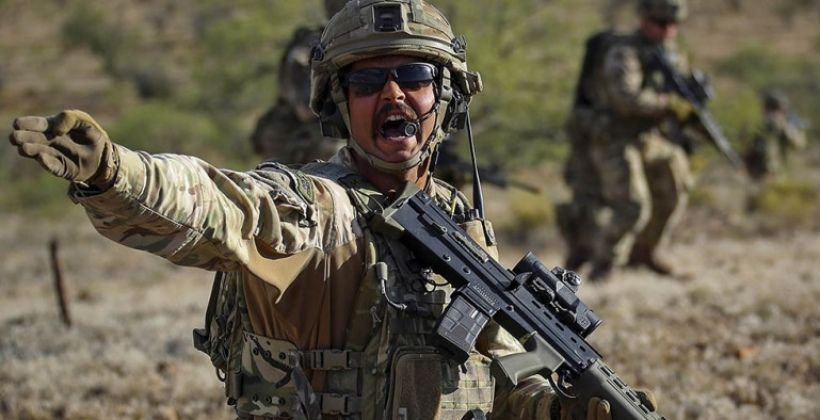
NATO and Russian forces have been actively engaged in combat in the Ukrainian theatre for over four years, as NATO members have widely deployed forces to participate in the war effort. Taking the United Kingdom as an example, the British Royal Marines have been carrying out high risk operations alongside Ukrainian government forces since at least April 2022. British participation in the war effort has been considerably more active, with the presence of British forces on the ground having been more widely acknowledged following the death of one serviceman, Lance Corporal George Hooley of the Parachute Regiment, in December 2025. Almost two years prior in January 2024, however, German Chancellor Olaf Scholtz confirmed that British special forces on the ground in Ukraine were providing vital support to facilitating launches of Storm Shadow cruise missiles against Russian targets. Poland and the United States have been among the other leading contributors of personnel to the war effort.
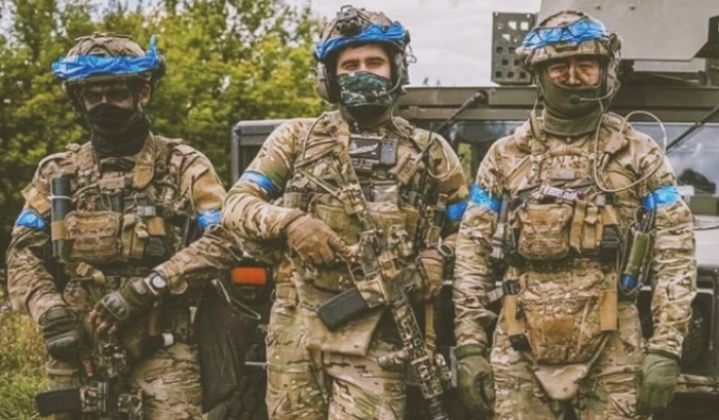
In light of the state of high tensions between Russian and NATO, and the ongoing participation of Western forces in the Russian-Ukrainian War, Russian and Western officials have widely alluded to the importance of the Russian nuclear deterrent in preventing escalation. The head of the NATO Military Committee Admiral Rob Bauer observed to this effect in November 2024: “I am absolutely sure if the Russians did not have nuclear weapons, we would have been in Ukraine, kicking them out.” A year later in November 2025 former NATO Secretary General Jens Stoltenberg confirmed that the unacceptable risk of open conflict with a nuclear armed Russia was the primary factor preventing Western Bloc states from joining the Ukrainian war effort more directly.
