
NATO Fighter Munitions Stockpiles Under Strain as Ukraine’s F-16s Rapidly Use Up Cannon Rounds
Military Watch Magazine Editorial Staff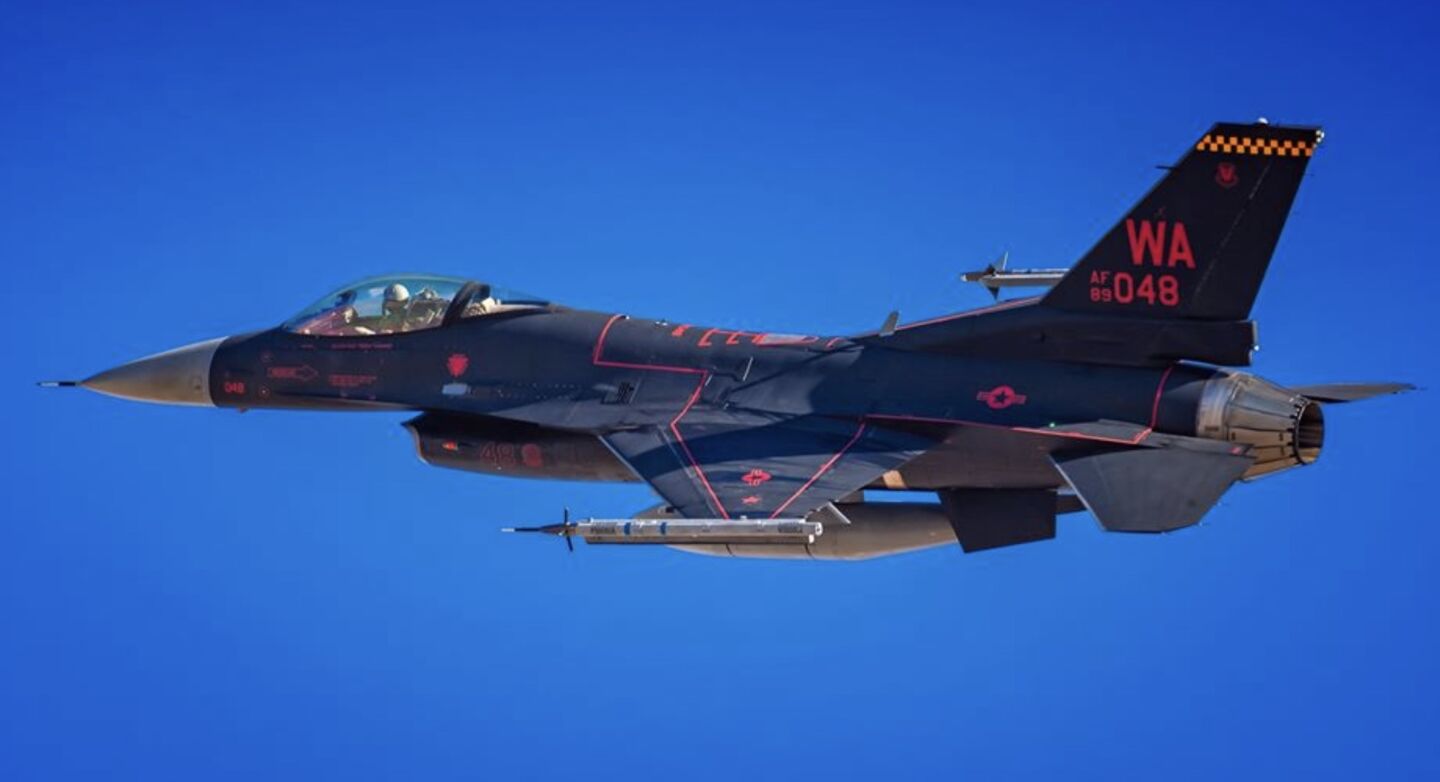
F-16 with AIM-9 Air-to-Air Missiles
Ukraine’s growing demand for 20mm cannon ammunition for its F-16 fighters is highlighting an often overlooked vulnerability in modern air defence, the ability to sustain weapons consumption over an extended conflict. President Volodymyr Zelensky has said that the Ukrainian Air Force requires approximately 800,000 rounds to support its F-16 fleet over a six-month period, as the aircraft increasingly use their onboard cannons to intercept Russian jet-powered attack drones. During an October 4 briefing in Kiev, Zelensky said Ukrainian F-16s were achieving interception rates of approximately 50–55 per cent against jet-powered drones, occasionally reaching 60 per cent. He identified 5,000–6,000 rounds of 20mm ammunition per day as the quantity Ukraine was seeking to secure, describing the task of maintaining such a supply as exceptionally difficult.
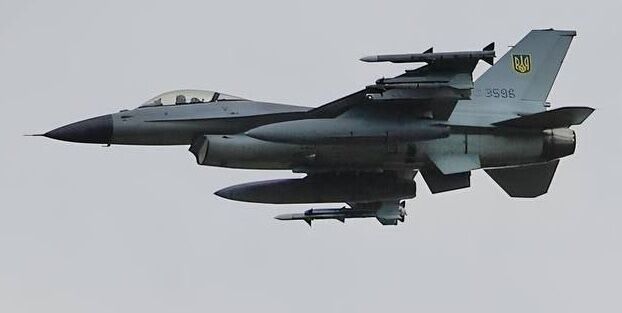
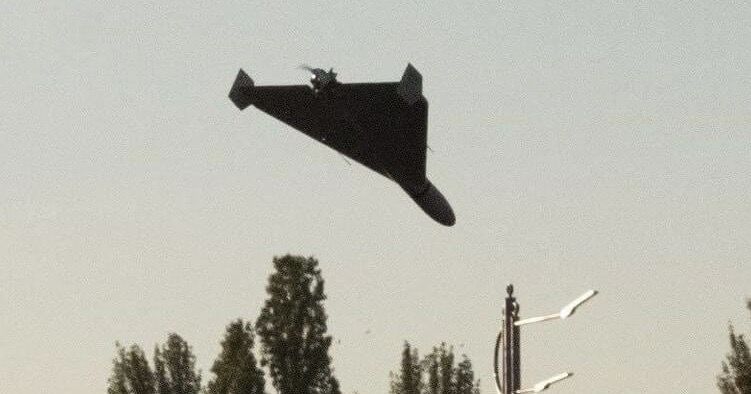
Ukraine’s demand reflects the growing importance of fighter aircraft in countering Russia’s faster attack drones, which are increasingly difficult for conventional ground-based air defences and slower interceptor aircraft to engage. The scale of the requirement has subsequently been underscored by Ukraine’s efforts to obtain supplies from European partners. Denmark delivered more than 50,000 rounds of 20mm ammunition in October, with Ukrainian pilots already using them against jet-powered drones. Zelensky has also discussed the issue with other European governments, including Poland and France, while seeking to secure longer-term arrangements for ammunition deliveries. In November, he said an agreement had been reached with Denmark to address a requirement for approximately 800,000 rounds, while also arguing that the number of F-16s available for combat missions needed to increase by a factor of 2.5. He attributed the limited availability partly to older aircraft requiring continuing maintenance and upgrades.
The figures illustrate how rapidly ammunition requirements can expand when fighters are assigned a sustained air-defence role. Zelensky’s stated daily requirement of 5,000–6,000 rounds would amount to approximately 900,000–1.08 million rounds over 180 days. The separately reported requirement for 800,000 rounds would cover around 133–160 days at that consumption rate, rather than a full six months. The difference may reflect varying assumptions about aircraft availability, operational intensity or the proportion of interceptions conducted with cannons, but it demonstrates the importance of distinguishing between a target stockpile and the ammunition needed to sustain a particular daily rate of operations.
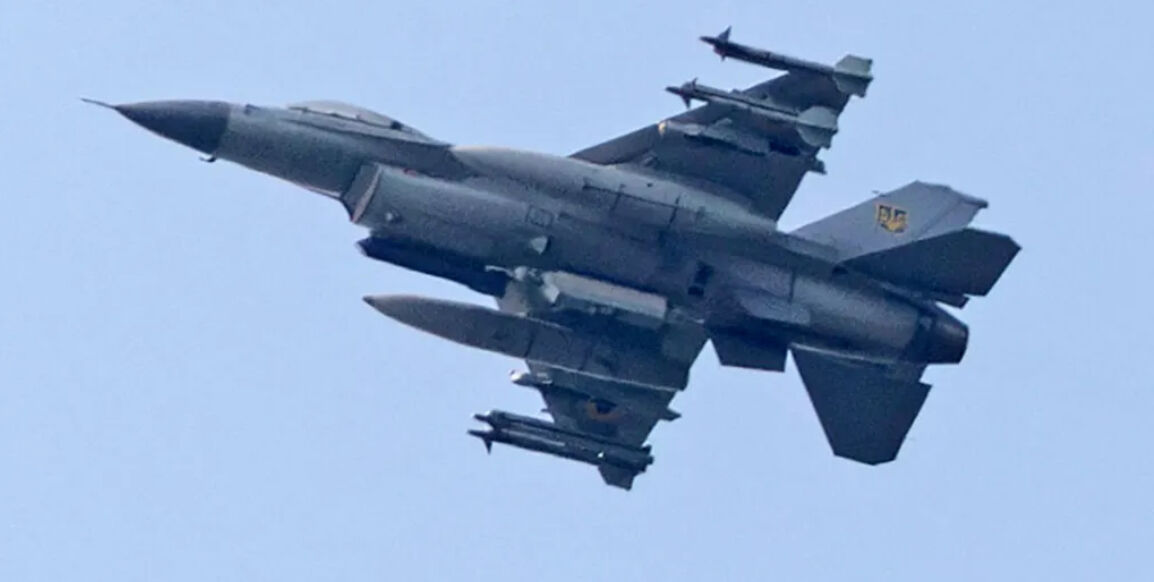
The relatively small size of Ukraine’s F-16 fleet, and the strain it has nevertheless been able to place on NATO’s stockpiles of 20mm rounds, has raised serious questions regarding the alliance’s ability to sustain the ability to use fighters’ inbuilt weapons in a high intensity conflict. The importance of cannon rounds became particularly clear during a shortage of AIM-9 short range air-to-air missiles in late November and December 2025. Reuters reported in March 2026, citing three people familiar with the situation, that Ukraine’s F-16 fleet had been left with only a very small number of the missies for more than three weeks after deliveries from partner countries dried up. Pilots were consequently restricted largely to daytime missions and relied more heavily on their 20mm cannons to intercept drones.
A primary benefit of cannon rounds is their far lower cost compared to air-to-air missiles, with even the relatively low cost AIM-9 still costing orders of magnitude more than many of the low value drone types being launched against Ukrainian targets. Ukraine’s reported daily consumption of 5,000–6,000 rounds provides a useful reference point, and suggests that a stockpile sufficient for years of peacetime training may be inadequate for even a relatively short period of intensive combat. Although Ukraine inherited a substantial industrial base from the Soviet Union, and its manufacturers have expanded ammunition production substantially, but the country has continued to depend on imported propellant and other materials for parts of its munitions supply chain. Establishing domestic production of energetic materials requires substantial investment, specialised expertise and years of preparation, preventing it from equipping its F-16s with domestic munitions.
