
NATO Chief Calls for Europe to Develop Offensive Capability to Control Middle East ‘Backyard’
Military Watch Magazine Editorial Staff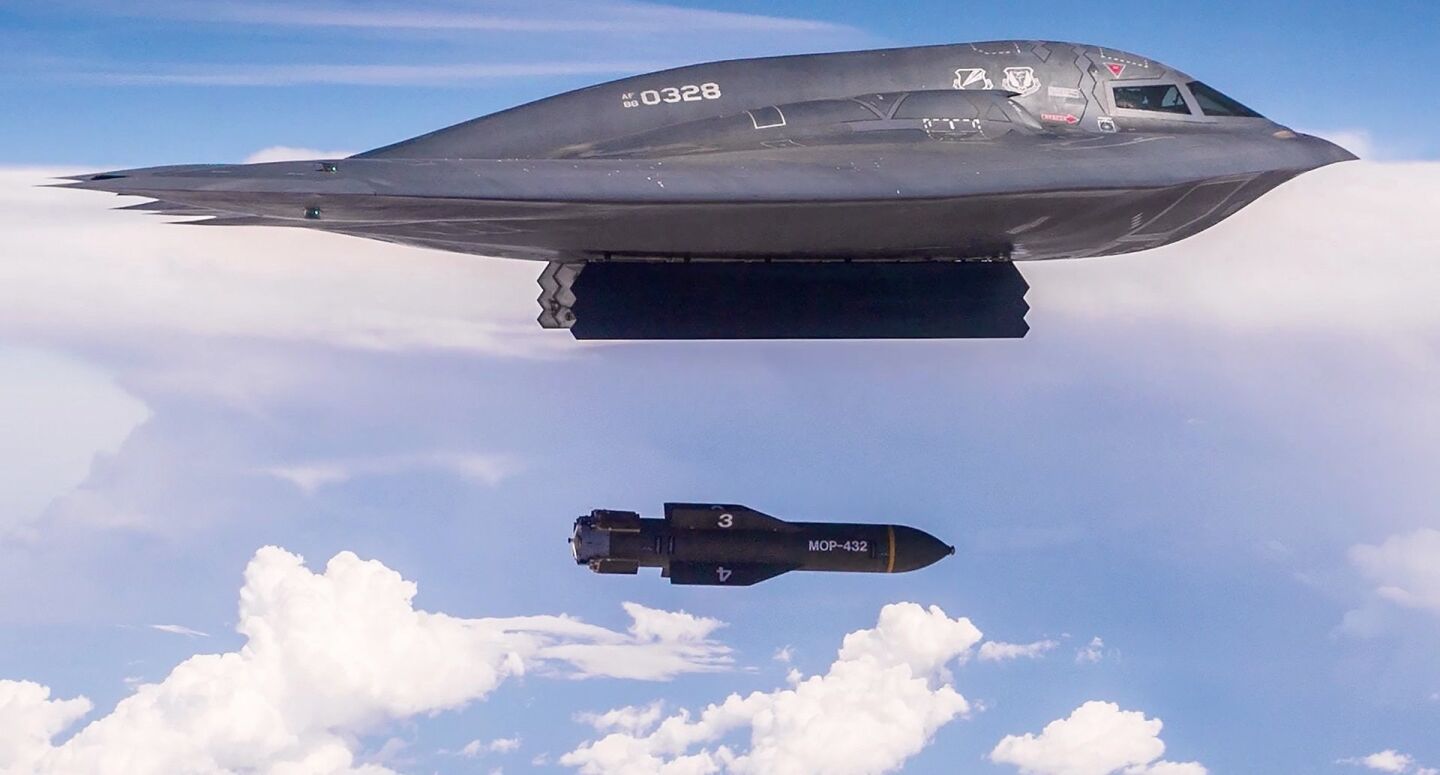
B-2 Spirit Drops GBU-57 During Testing - The U.S. Air Force Quickly Exhausted its Supply of these Rare Penetrative Bombs
NATO Secretary General Mark Rutte has called for European allies to develop greater independent power projection capabilities to conduct large-scale offensive operations in the near abroad without U.S. support. “Europe was not able to take out the nuclear capability of Iran. We couldn’t. We didn’t have the capabilities. In 10 years, we can and we should,” Rutte said. “In the future, the Europeans will be able to take care of their backyard themselves. It should be us doing this, not the Americans,” he added.
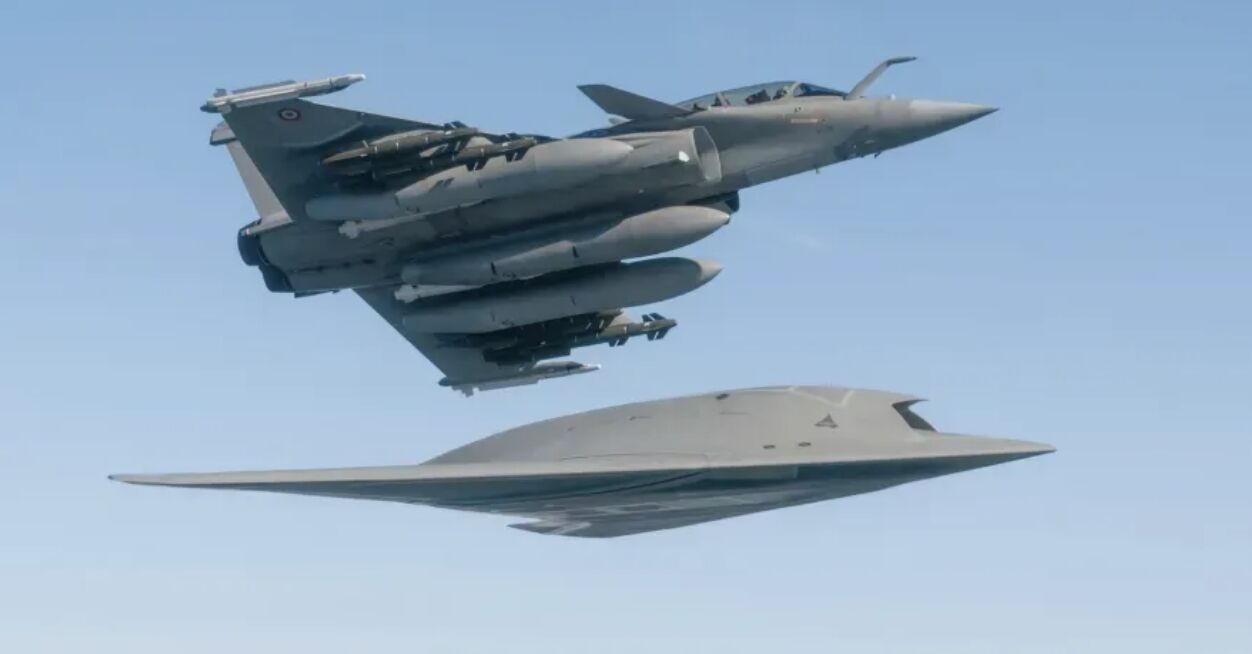
Although European allies have provided varying levels of support for the U.S.-led assault on Iran, including multi-national fighter deployments for air defence duties, their ability to support the conflict has remained minimal. The United States has itself struggled profusely to gain the upper hand in the conflict, largely due to the severe depletion of munitions and to an inability to defend major bases from Iranian missile and drone attacks. Rutte’s comments highlight a longstanding debate within NATO over Europe’s ability to conduct high-intensity military operations without U.S. assistance, with many critical capabilities being highly limited, including strategic airlift, intelligence, surveillance and reconnaissance, aerial refuelling, long-range strike, missile defence and advanced precision weapons.
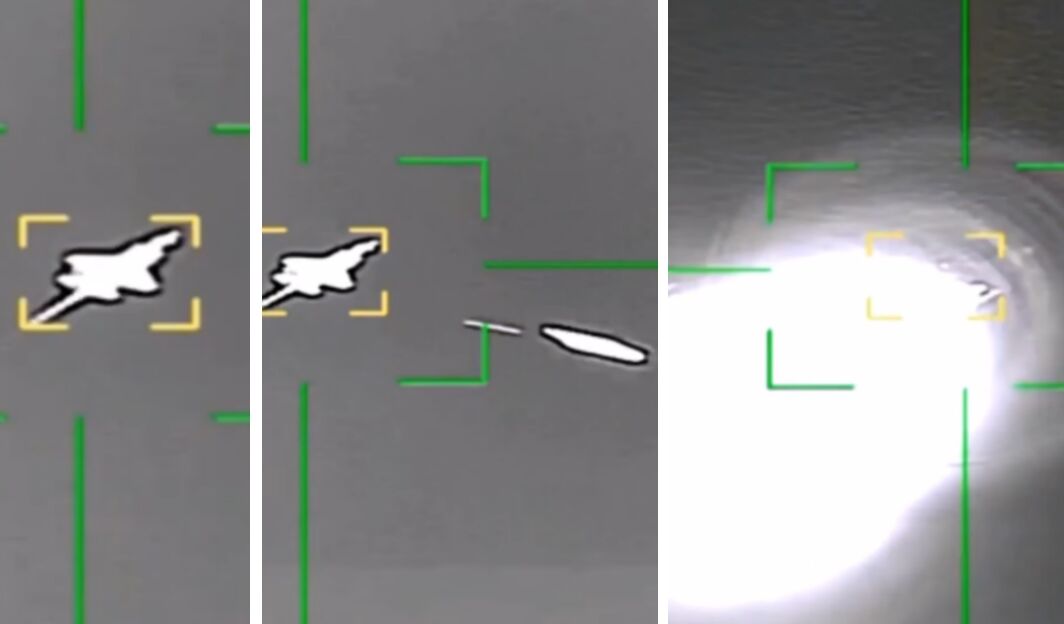
European states’ ability to wage war has for decades remained highly limited. This was previously clearly demonstrated in the NATO assault on Libya in 2011, where despite the targeted country’s extreme neglect of its armed forces for decades, European states proved wholly unable to turn the tide of the war. This forced the United States to intervene to a much greater extent than had previously been expected. Serious questions have been raised regarding the viability of European states developing a robust independent power projection capability, as the continent not only lags far behind the U.S. and China technologically, but has a defence sector and forces that have consistently proven to be highly inefficient compared to those of China, the U.S. and Russia.
