
Mystery F-35 Customer Investing Millions to Customise U.S. Stealth Fighters: Israel and Singapore Most Likely Clients
Military Watch Magazine Editorial Staff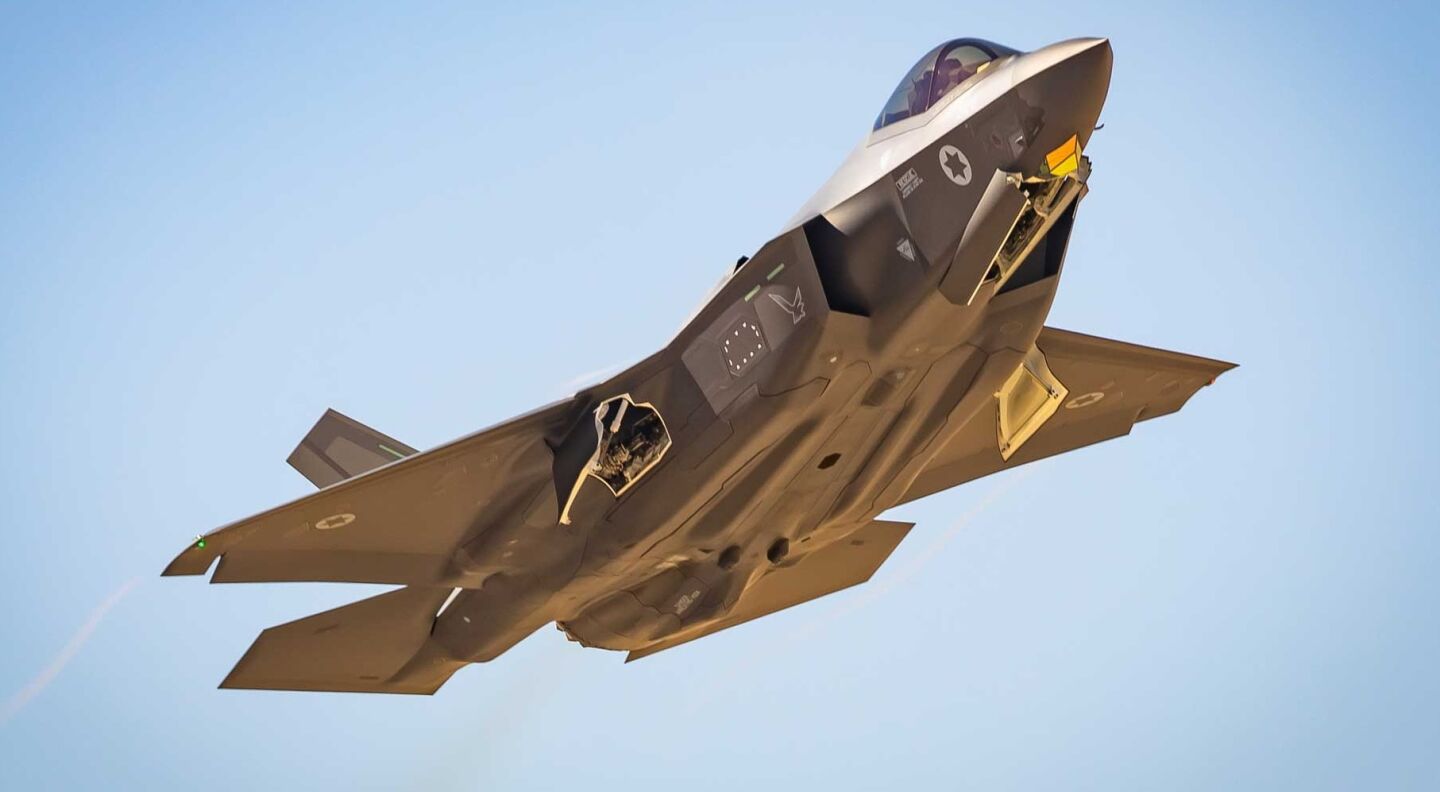
F-35I in Israeli Air Force Service
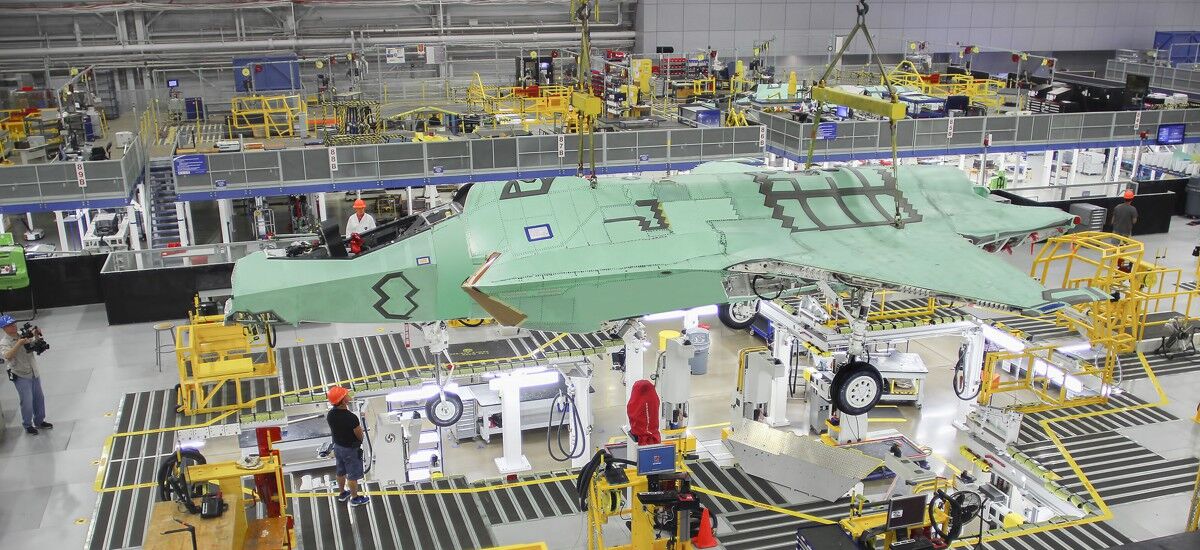
An unidentified foreign government has committed a further $18.8 million to developing and integrating a customised version of the F-35 fifth generation fighter, extending a long-running program whose intended customer and technical requirements remain undisclosed. The U.S. Department of War announced the contract modification on October 15, with Lockheed Martin Aeronautics receiving $18,789,801 for additional system development, demonstration and integration work under the Foreign Military Sales (FMS) programme. The entire sum is being provided by the foreign customer, with work scheduled to continue through December 2030. Approximately 80 per cent of the work will be conducted in Fort Worth, Texas, where the fighters are produced, while the remainder will take place at undisclosed locations elsewhere in the continental United States.
The latest modification follows earlier funding awards for the same programme, including a $53.4 million contract modification in August 2022 and a further $12.9 million modification in August 2025. Although the Pentagon has not publicly identified the customer or disclosed the specific modifications being developed, there has been considerable speculation as to which client may have placed the orders. Singapore and Israel are considered two of the most likely clients, and have cooperated closely to customise the fighter’s direct predecessor the F-16. The United States has notably restricted the extent to which all clients can customise the F-35, with no clients being able to alter its base code, although Israel has been granted permission to ‘plug in’ its own software on top of this.
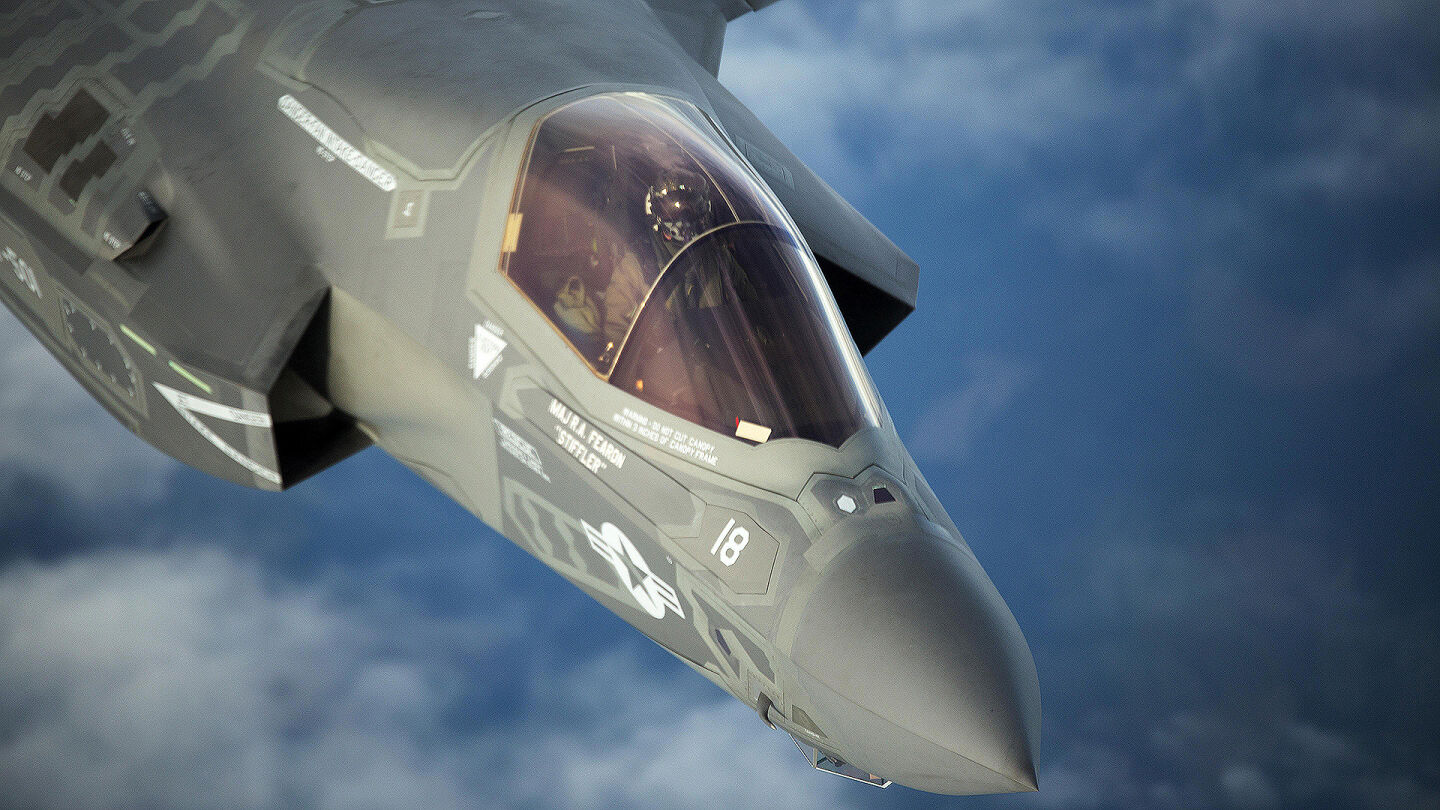
The process of customising the F-35 for the Israeli Air Force was summarised by General Manager of the Lahav Division at Israel Aerospace Industries, Benni Cohen, who stated: “It's open architecture, which sits on the F-35's central system, much like an application on your iPhone. So it doesn't change anything in the aircraft itself, but it gives the Israel Air Force the most advanced and adaptable processing capabilities with relative independence of the aircraft manufacturer.” This “introduces a new level of freedom for the IAF [Israeli Air Force], as it paves the way for additional advanced capabilities to be embedded in the F-35I in the future,” he concluded.
To support Israeli efforts to customise its F-35s, the fighter program’s primary contractor Lockheed Martin built a unique testbed aircraft to allow local modifications to be trialled in Israel. Israeli Air Force Lieutenant Colonel Shlomy Binder, who headed testing efforts, observed that the testbed “will enable us to begin the work of upgrading the capabilities of this aircraft so that it answers our special operational requirements,” including for “using the unique weapon systems made by Israeli industry.”
